Cloth: 978-0-226-61600-1 | Paper: 978-0-226-61601-8 | Electronic: 978-0-226-18921-5
DOI: 10.7208/chicago/9780226189215.001.0001
AVAILABLE FROM
University of Chicago Press (paper, ebook)Brytewave (CafeScribe-Follett Higher Ed)
Kno
ABOUT THIS BOOK
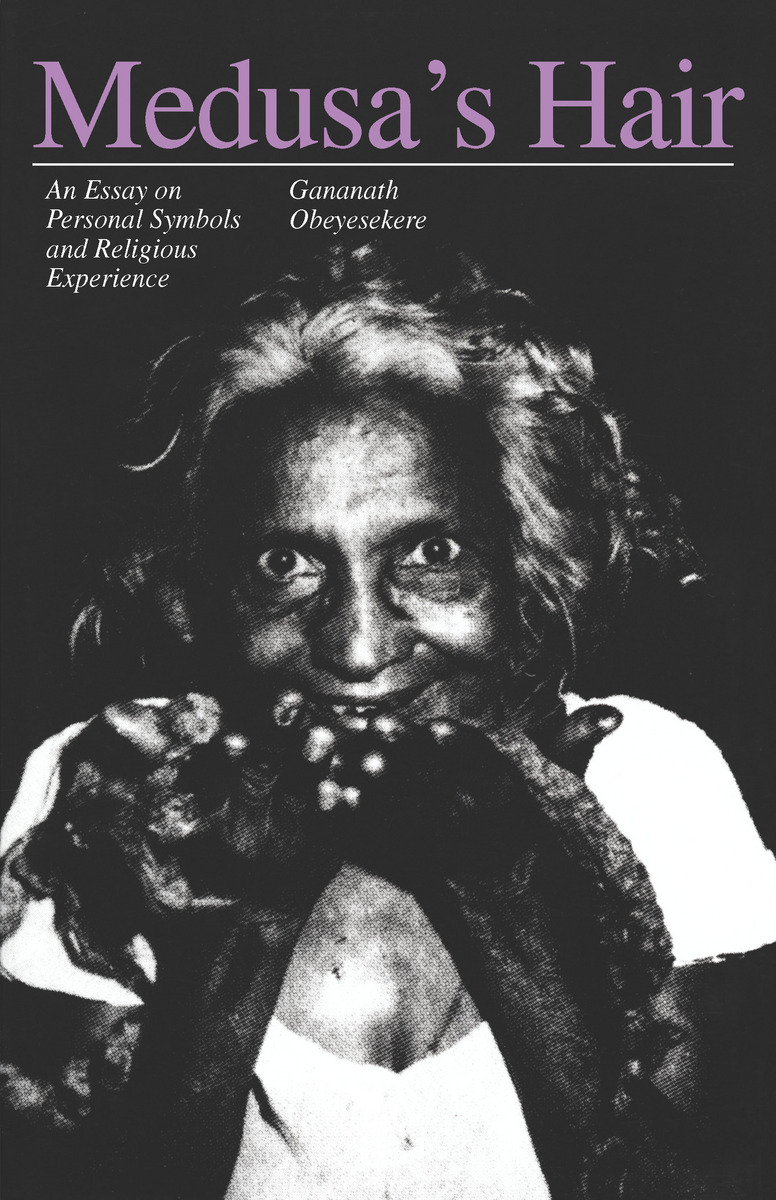
The increasing popularity of these ecstatics poses a challenge not only to orthodox Sinhala Buddhism (the official religion of Sri Lanka) but also, as Gananath Obeyesekere shows, to the traditional anthropological and psychoanalytic theories of symbolism. Focusing initially on one symbol, matted hair, Obeyesekere demonstrates that the conventional distinction between personal and cultural symbols is inadequate and naive. His detailed case studies of ecstatics show that there is always a reciprocity between the personal-psychological dimension of the symbol and its public, culturally sanctioned role. Medusa's Hair thus makes an important theoretical contribution both to the anthropology of individual experience and to the psychoanalytic understanding of culture. In its analyses of the symbolism of guilt, the adaptational and integrative significance of belief in spirits, and a host of related issues concerning possession states and religiosity, this book marks a provocative advance in psychological anthropology.
TABLE OF CONTENTS
Preface
Introduction
Introduction
Private and Public Symbols
The Problem
Female Ascetics and Matted Hair
Case 1: Karunavati Maniyo
Case 2: Nandavati Maniyo
Case 3: Manci Nona
The Meaning of Hair
The Yogi and the Monk: Siva and the Buddha: Matted Hair and Shaven Head
Social Institutions and the Unoconscious
Matted Hair and Shaven Head: Two kinds of Psychological Sumbolism
Conventionalization of Personal Symbols
Case 4: Pemavati Vitarana
Case 5: H. Juliet Nona
The Symbolization of Guilt
The Symbolic Integration of Personality
Case 6: Munasinha Beauty Silva
Myth Models
Communication and Estrangement
Networks of Meaning
Ghosts, Demons, and Deep Motivation
Introduction
Case 7: Sirima Hettiaracci
Subjective Imagery: An Interpretation of Sirima's Case History
Tryst with the Black Prince: Incubus and Fire Walker
Case 8: Tuan Sahid Abdin
Comment on Abdin's Ritual Activities
Abdin's Descent into the Grave
A Ritual for Kali
Abdin's Tongue: An Interpretation
Fantasy, Personal Symbols in the Integration of Personality with Culture
Fantasy, Personal Symbols, and Subjective Imagery: A Metapsychological Excursus
Subjective Imagery and the Invention of Culture
Culture and the Unconscious: The Case of Contemporary Iconography
The Model for the Myth
Epilogue: The End and the Beginning
Notes
Glossary
References
Index