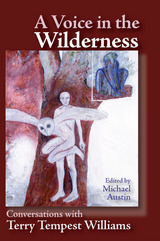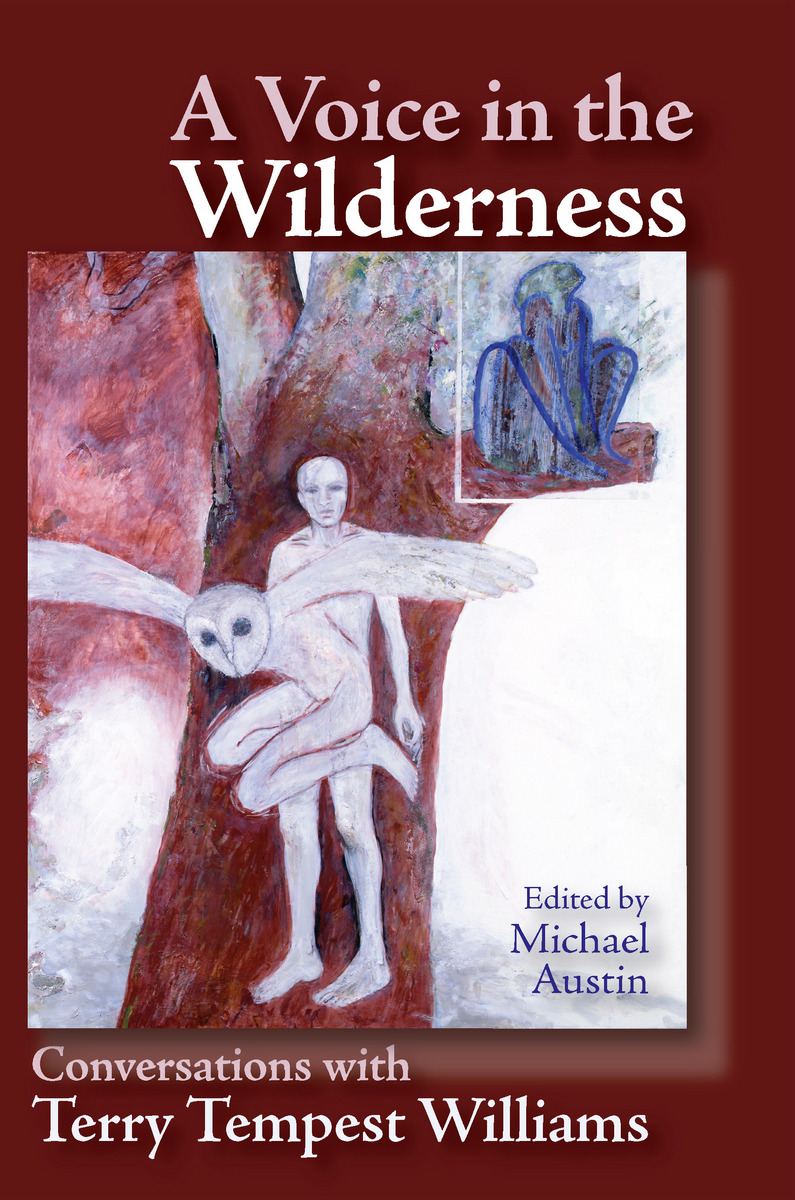
Voice in the Wilderness: Conversations with Terry Tempest Williams
Utah State University Press, 2006
eISBN: 978-0-87421-537-3 | Paper: 978-0-87421-634-9
Library of Congress Classification QH31.W626A5 2006
Dewey Decimal Classification 508
eISBN: 978-0-87421-537-3 | Paper: 978-0-87421-634-9
Library of Congress Classification QH31.W626A5 2006
Dewey Decimal Classification 508
ABOUT THIS BOOK | AUTHOR BIOGRAPHY | TOC | REQUEST ACCESSIBLE FILE
ABOUT THIS BOOK
With her distinctive, impassioned voice and familiar felicity of language, Terry Tempest Williams talks about wilderness and wildlife, place and eroticism, art and literature, democracy and politics, family and heritage, Mormonism and religion, writing and creativity, and other subjects that engage her agile mind—in a set of interviews gathered and introduced by Michael Austin to represent the span of her career as a naturalist, author, and activist.
See other books on: Authors | Conversations | Naturalists | Voice | Wilderness
See other titles from Utah State University Press