Cloth: 978-0-226-16055-9 | Paper: 978-0-226-16056-6 | Electronic: 978-0-226-16057-3
DOI: 10.7208/chicago/9780226160573.001.0001
AVAILABLE FROM
University of Chicago Press (paper, ebook)Barnes & Noble Nook
Chegg Inc
Copia Interactive
DeGruyter Multi-User Ebook Program
ebrary
EBSCO eBooks (formerly NetLibrary)
Google Play
Kno
University Press Scholarship Online (UPSO)
ABOUT THIS BOOK
A variety of educational experiments failed to tame these feral children by the standards of the day. After telling their stories, Douthwaite turns to literature that reflects on similar experiments to perfect human subjects. Her examples range from utopian schemes for progressive childrearing to philosophical tales of animated statues, from revolutionary theories of regenerated men to Gothic tales of scientists run amok. Encompassing thinkers such as Rousseau, Sade, Defoe, and Mary Shelley, Douthwaite shows how the Enlightenment conceived of mankind as an infinitely malleable entity, first with optimism, then with apprehension. Exposing the darker side of eighteenth-century thought, she demonstrates how advances in science gave rise to troubling ethical concerns, as parents, scientists, and politicians tried to perfect mankind with disastrous results.
AUTHOR BIOGRAPHY
TABLE OF CONTENTS
List of Illustrations
Acknowledgments
Introduction
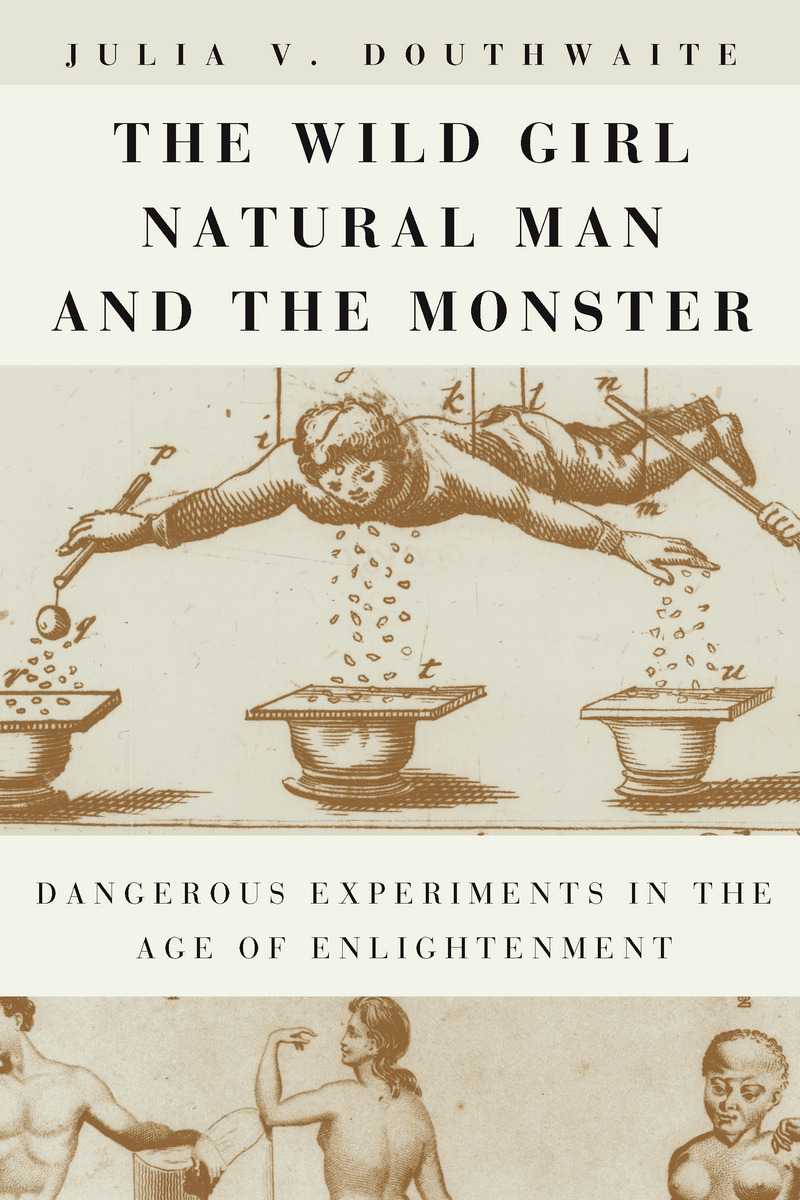
Figure 1. The Electrified Boy. Detail from Johann Gabriel Doppelmayr, Neu-entdeckte Phaenomena von Bewunderns-würdigen Würckungen der Natur
One: Wild Children: Establishing the Boundaries of Nature and Science
Defining the Human
Figure 2. “Trogolodyte,” “Lucifer,” “Satyr,” “Pygmee.” From Carl Linnaeus, “Anthropomorpha”
Peter of Hanover: Idiot or Idol?
Figure 3. Title page of anonymous brochure, An Enquiry How the Wild Youth
Marie-Angélique Leblanc: Monstrous Femininity
Figure 4. Title page of anonymous chapbook, An Account of the Surprising Savage Girl
Figure 5. Wild man with club and coat of arms. Martin Shongauer
Figure 6. “The Manner in which the Savage Girl was taken.” Frontispiece of anonymous chapbook, La Belle Sauvage
Figure 7. Title page of anonymous chapbook, The Surprising Savage Girl
Figure 8. Title page of anonymous chapbook, Account of a Most Surprizing Savage Girl
Victor de l’Aveyron: The Last Natural Man
Figure 9. Anonymous broadside, The Northern Ditty: or the Scotch-man Out-witted by the Country Damsel
Figure 10. Title page of anonymous chapbook, The Surprising Savage Girl
Figure 11. Frontispiece of J. M. G. Itard, De l’éducation d’un homme sauvage
Figure 12. Frontispiece of J. M. G. Itard, An Historical Account of the Discovery and Education of a Savage Man
Two: The Animated Statue and the Plasticity of Mankind
Sensibility and Animated Statues
Experimental Methods in Flux
Sensibility and Perfectibility: Political Dimensions
Three: Compromised Idylls: Natural Man and Woman Encultured
Nature’s Resistance to Culture: Locke and Rousseau
Figure 13. Title page of Jean-Jacques Rousseau, Emile ou de l’éducation, book 2, engraved by C. P. Marillier
Figure 14. Illustration for Jean-Jacques Rousseau, Emile ou de l’éducation, engraved by Choquet
Isolation as a Philosophical Conceit: Defoe, Kirkby, Beaurieu, and Dulaurens
Figure 15. Frontispiece, engraved by C. P. Marillier, of Gaspard Guillard de Beaurieu, L’Elève de la nature, vol. 1
Figure 16. Woodcut by Sylvain Sauvage from Abbé Dulaurens, Imirce ou la fille de la nature
Figure 17. Joseph Wright of Derby, An Experiment on a Bird in the Air Pump, c. 1767– 68
Four: Raising the Rational Child: Real-life Experiments and Alternatives to Rousseau
Three Famous Cases
Alternative Schemes for Raising the Rational Child
Five: Perfectibility in the Revolutionary Era: Utopian Politics and Dystopian Fictions
The Revolutionary Homme Régénéré
Figure 18. “Citoyens né libre [sic].” Anonymous engraving
Figure 19. William Blake, Albion Rose (or Glad Day), c. 1790
Figure 20. Jacques Louis Perée, L’homme régénéré, 1795, engraving
Pedagogical Dystopias: Edgeworth and Fenwick
Scientific Dystopias: Révéroni Saint-Cyr and Sade
Figure 21. Frontispiece of Jacques Antoine Révéroni Saint-Cyr, Pauliska ou la perversité moderne: Mémoires récents d’une Polonaise
Epilogue: Monstrous Imperfection
Figure 22. 1. “L’Homme et la femme.” 2. “Négresse blanche.” Engravings for Georges Louis Leclerc, comte de Buffon, Oeuvres complètes de Buffon avec les Supplémens
Figure 23. “The Hand of a Boy with a Distempered Skin, and a Branch of the Common Service-Tree.” Copper-plate engraving by George Edwards
Figure 24. Frontispiece by W. Chevalier for Mary Shelley, Frankenstein; or, the Modern Prometheus
Notes
Index