Cloth: 978-0-226-74563-3 | Paper: 978-0-226-74564-0 | Electronic: 978-0-226-74565-7
DOI: 10.7208/chicago/9780226745657.001.0001
AVAILABLE FROM
University of Chicago Press (paper, ebook)Amazon Kindle (PDF)
Barnes & Noble Nook
Chegg Inc
DeGruyter Multi-User Ebook Program
ebrary
EBSCO eBooks (formerly NetLibrary)
Google Play
Kno
OverDrive
ABOUT THIS BOOK
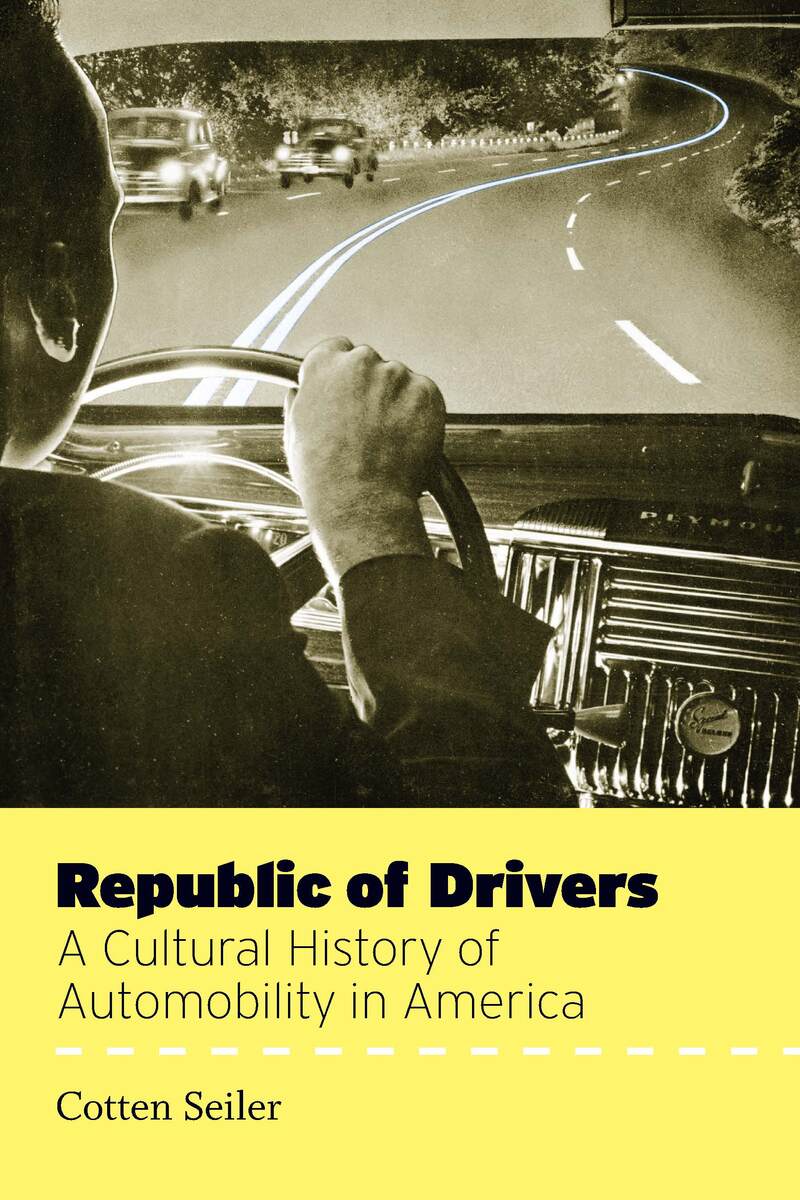
Cotten Seiler combs through a vast number of historical, social scientific, philosophical, and literary sources to illustrate the importance of driving to modern American conceptions of the self and the social and political order. He finds that as the figure of the driver blurred into the figure of the citizen, automobility became a powerful resource for women, African Americans, and others seeking entry into the public sphere. And yet, he argues, the individualistic but anonymous act of driving has also monopolized our thinking about freedom and democracy, discouraging the crafting of a more sustainable way of life. As our fantasies of the open road turn into fears of a looming energy crisis, Seiler shows us just how we ended up a republic of drivers—and where we might be headed.
AUTHOR BIOGRAPHY
REVIEWS
“Although it’s common to associate American culture with the automobile, Cotten Seiler’s inquiry into the relationship between the pleasures and practices of driving and the character of the modern American citizen-subject is consistently surprising. In addition to being lively, theoretically astute, and extraordinarily well documented, Republicof Drivers provides an utterly convincing account of the relationship between automobility, the economic, social, and cultural conditions that made it possible, and the visions of freedom and agency it promised twentieth-century Americans. This fascinating book should be read by anyone who has ever been captivated by the romance of the road trip or wondered about its significance for American history.”
“Cotten Seiler’s excellent cultural history of driving operates at the intersection of affect, identity formation, mobility, sovereignty, and the state, with wide-ranging and fascinating results. The best account I have seen of the cultural contradictions of the open road.”
TABLE OF CONTENTS
Acknowledgments
Introduction: Automobility and American Subjectivity
Chapter One: Individualism, Taylorization, and the Crisis of Republican Selfhood
Chapter Two: Workmen’s Compensation, Women’s Emancipation: The Promise of Automobility, 1895–1929
Chapter Three: Crafting Autonomous Subjects: Automobility and the Cold War
Chapter Four: “So That We as a Race Might Have Something Authentic to Travel By”: African American Automobility and Midcentury Liberalism
Chapter Five: “How Can the Driver Be Remodeled?”: Automobility and the Liberal Subject
Conclusion: Automobility’s Futures
List of Abbreviations
Notes
Index