Paper: 978-0-226-79363-4 | Electronic: 978-0-226-79377-1
DOI: 10.7208/chicago/9780226793771.001.0001
ABOUT THIS BOOK
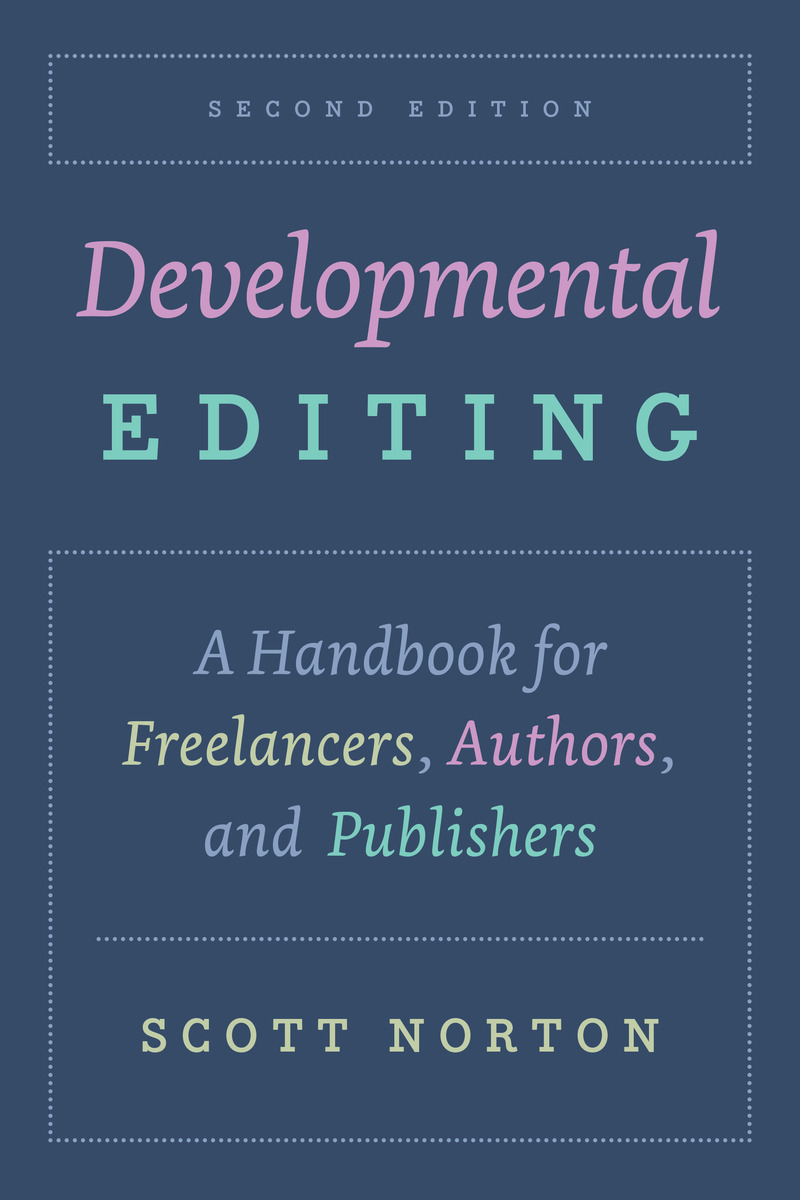
The only guide dedicated solely to developmental editing, now revised and updated with new exercises and a chapter on fiction.Developmental editing—transforming a manuscript into a book that edifies, inspires, and sells—is a special skill, and Scott Norton is one of the best at it. With more than three decades of experience in the field, Norton offers his expert advice on how to approach the task of diagnosing and fixing structural problems with book manuscripts in consultation with authors and publishers. He illustrates these principles through a series of detailed case studies featuring before-and-after tables of contents, samples of edited text, and other materials to make an otherwise invisible process tangible.
This revised edition for the first time includes exercises that allow readers to edit sample materials and compare their work with that of an experienced professional as well as a new chapter on the unique challenges of editing fiction. In addition, it features expanded coverage of freelance business arrangements, self-published authors, e-books, content marketing, and more.
Whether you are an aspiring or experienced developmental editor or an author who works alongside one, you will benefit from Norton’s accessible, collaborative, and realistic approach and guidance. This handbook offers the concrete and essential tools it takes to help books to find their voice and their audience.
AUTHOR BIOGRAPHY
Scott Norton was formerly a developmental editor at the University of California Press, where he eventually served as the director of editing, design, and production before retiring in 2020.REVIEWS
TABLE OF CONTENTS
Preface
What Developmental Editing Is
Whom This Book Is For
What This Book Covers
How to Use the Exercise Packet
Some Ground Rules
A Few Notes about Cultural Assumptions
1. Concept: Shaping the Proposal
Author Profile: The Veteran
Client Profile: The Agent
Assignment: The Proposal with Too Many Concepts
Locate the Concept
Profile the Audience
Evaluate Market Potential
Bring the Vision into Focus
2. Content: Assessing Potential
Author Profile: The First-Timer
Client Profile: The Big Trade House
Assignment: The Tome with Too Many Subjects
Size Up the Author
Size Up the Publisher
Size Up the DE
Create a Content Summary
Find the Main Subject
Exercises
Author Profile: The Coauthors
Client Profile: The Small Trade House
Assignment: The Study with Too Many Theses
Cull Theses from Topics
Beware of the Rehash
Choose the Main Thesis
Create a Working Title
Exercises
Author Profile: The Historian
Client Profile: The Copublisher
Assignment: The Sprawling Saga
Untangle Timelines from Arguments
Find the Main Timelines
Brainstorm Timeline Strategies
Compose the New Timeline
Fine-Tune the Timeline
Restore Bits of Argument
Exercises
5. Exposition: Deploying the Argument
Author Profile: The Theorist
Client Profile: The University Press
Assignment: The Theory with Too Many Tangents
Untangle Arguments from Timelines
Find the Main Arguments
Brainstorm Argument Strategies
Compose the New Argument
Fine-Tune the Argument
Restore Bits of Timeline
Exercises
6. Plan: Drafting a Blueprint
Write Up the Plan
Compose Chapter Theses
Intervene Strategically
Exercises
Author Profile: The Sole Authority
Client Profile: The Regional House
Assignment: The Local History Turned Personal
Rearrange the Furniture
Draft New Passages
Balance Chapter Weights
Edit for Pace
Exercises
Author Profile: The Dead Author
Client Profile: The Self-Publisher
Assignment: The Memoir with Lapses
Create Opening Transitions
Create Closing Transitions
Draw Conclusions
Place Those Conclusions
Exercises
9. Style: Training the Voice
Author Profile: The Journalist
Client Profile: The Book Packager
Assignment: The Story with Too Many Voices
Set the Tone
Parse the Rhetoric
Master Abstraction
Gauge the Ironies
Harmonize the Voices
10. Display: Dressing Up the Text
Author Profile: The Author-for-Hire
Client Profile: The Trade Reference House
Assignment: The Guidebook with Poor Signage
Consider Subheads
Anticipate the E-Version
Consider Epigraphs
Draft an Art Plan
Illustrate Concepts
Visualize Data
Test-Drive Maps
Add Lagniappe
11. Fiction: Weaving the Dream
Author Profile: The Friend
Client Profile: The Genre Boutique
Assignment: The Novel with Genre Dysphoria
Vet the Premise
Scope Out the Form
Position the Narrator
Scout the Setting
Know the Genre
Advance the Plot
Render the Characters
Sweat the Details
Afterword to Publishers
Further Reading
Acknowledgments
Index