Cloth: 978-0-226-11636-5 | Paper: 978-0-226-11637-2 | Electronic: 978-0-226-82117-7
DOI: 10.7208/chicago/9780226821177.001.0001
ABOUT THIS BOOK
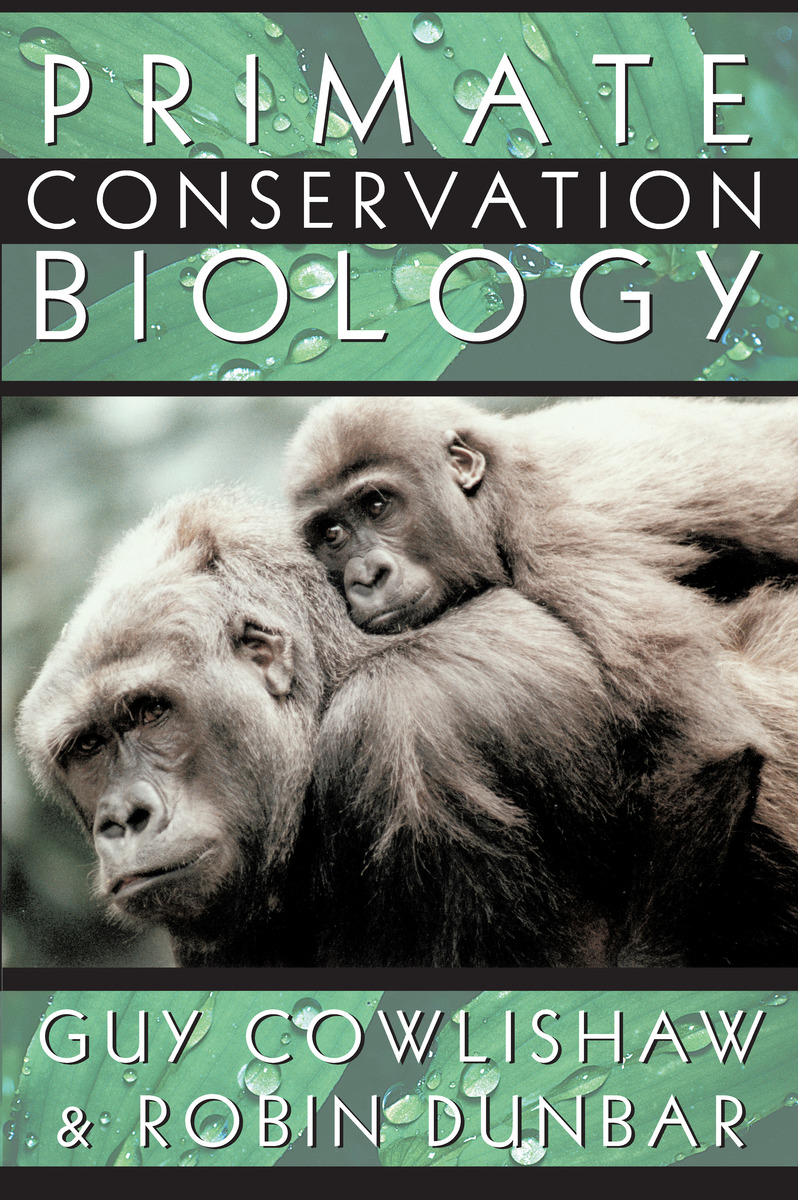
Primate Conservation Biology begins with detailed overviews of the diversity, life history, ecology, and behavior of primates and the ways these factors influence primate abundance and distribution. Cowlishaw and Dunbar then discuss the factors that put primates at the greatest risk of extinction, especially habitat disturbance and hunting. The remaining chapters present a comprehensive review of conservation strategies and management practices, highlighting the key issues that must be addressed to protect primates for the future.
AUTHOR BIOGRAPHY
Robin Dunbar is a professor of biological sciences at the University of Liverpool.
TABLE OF CONTENTS
Acknowledgments
1. Introduction
2.1. The Primate Order
2.2. Patterns of Diversity
2.3. Origins of Diversity
2.4. Summary
3.1. Life History
3.2. Ecology
3.3. Behavior
3.4. Summary
4.1. Communty Species Richness
4.2. Community Structure
4.3. Competition in Communities
4.4. Primates in Plant Communities
4.5. Summary
5. Distribution, Abundance, and Rarity
5.1. Geographic Distribution
5.2. Population Abundance
5.3. Distribution-Abundance Relationships
5.4. Summary
6.1. Demographic Variables
6.2. Population Dynamics
6.3. Metapopulation Dynamics
6.4. Population Genetics
6.5. Summary
7.1. Extinction Rates
7.2. Causes of Extinction
7.3. Species Differences in Extinction Risk
7.4. Case Studies in Primate Extinctions
7.5. Summary
8.1. Patterns of Habitat Disturbance
8.2. Effects of Habitat Loss
8.3. Effects of Habitat Fragmentation
8.4. Effects of Habitat Modification
8.5. Species Vulnerability Patterns
8.6. Summary
9. Hunting
9.1. Optimal Foraging Theory
9.2. Hunting Patterns
9.3. Trade in Primates
9.4. Effects of Hunting
9.5. Species Vulnerability Patterns
9.6. Hunting with Habitat Disturbance
9.7. Summary
10.1. Strategy Design Principles
10.2. Setting Taxon Priorities
10.3. Setting Area Priorities
10.4. Practical Considerations
10.5. Summary
11. Conservation Tactics
11.1. Protected Area Systems
11.2. Sustainable Utilization
11.3. Captive Breeding
11.4. Restocking and Reintroduction
11.5. Summary
12. Conclusions
12.1. The Past and Future of Primate Diversity
12.2. Diagnosing Populations in Trouble
12.3. Effective Conservation Action
12.4. Finding Unique Solutions
Appendix 1. Primate Species and Conservation Status
Appendix 2. Leslie Matrices
Appendix 3. Primate and Conservation Organizations
References
Index