
 A SCHOLARLY BOOK REPOSITORY
2474 start with C start with C
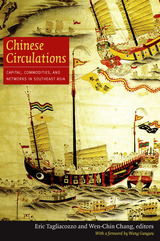
Contributors. Leonard Blussé, Wen-Chin Chang, Lucille Chia, Bien Chiang, Nola Cooke, Jean DeBernardi, C. Patterson Giersch, Takeshi Hamashita, Kwee Hui Kian, Li Tana, Lin Man-houng, Masuda Erika, Adam McKeown, Anthony Reid , Sun Laichen, Heather Sutherland, Eric Tagliacozzo, Carl A. Trocki, Wang Gungwu, Kevin Woods, Wu Xiao
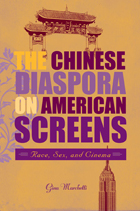
The Chinese Diaspora on American Screens looks at the way in which issues of race and sexuality have become central concerns in cinema generated by and about Chinese communities in America after the mid-1990s. This companion volume to Marchetti's From Tian'anmen to Times Square looks specifically at the Chinese diaspora in relation to ethnic, racial, gender, and sexual identity as depicted in the cinema.
Examining films from the United States and Canada, as well as transnational co-productions, The Chinese Diaspora on American Screens includes analyses of films such as The Wedding Banquet and Double Happiness in addition to interviews with celebrated filmmakers such as Wayne Wang.
Marchetti also reflects on how Chinese identity is presented in a multitude of media forms, including commercial cinema, documentaries, experimental films, and hybrid digital media to offer a textured look at representations of the Chinese diasporic experience after Tian'anmen.
A tour de force chronicling the development of realism in Chinese cinema
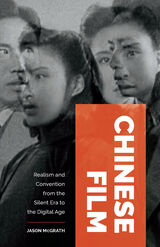
The history of Chinese cinema is as long and complicated as the tumultuous history of China itself. Be it the silent, the Communist, or the contemporary, each Chinese cinematic era has necessitated its own form in conversation with broader trends in politics and culture.
In Chinese Film, Jason McGrath tells this fascinating story by tracing the varied claims to cinematic realism made by Chinese filmmakers, officials, critics, and scholars. Understanding realism as a historical dynamic that is both enabled and mitigated by aesthetic conventions of the day, he analyzes it across six different types of claims: ontological, perceptual, fictional, social, prescriptive, and apophatic.
Through this method, McGrath makes major claims not just about Chinese cinema but also about realism as an aesthetic form that negotiates between cultural conventions and the ever-evolving real. He comes to envision it as more than just a cinematic question, showing how the struggle for realism is central to the Chinese struggle for modernity itself.
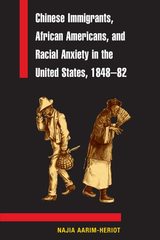
The “Chinese question” and the “Negro problem” were bound up with one another in nineteenth-century America. Indeed, the negative stereotypes, exclusionary laws, and incendiary rhetoric employed against both populations bore striking similarities.
Najia Aarim-Heriot forcefully demonstrates that the anti-Chinese sentiment behind the passage of the Chinese Exclusion Act of 1882 is inseparable from the racial double standards applied by mainstream white society toward white and nonwhite groups during the same period. Aarim-Heriot argues that previous studies on American Sinophobia have overemphasized the resentment labor organizations felt toward incoming Chinese workers. As a result, scholars have overlooked the broader ways in which the growing nation sought to define and unify itself through the exclusion and oppression of nonwhite peoples.
A challenge to traditional approaches to Chinese American history, Chinese immigrants, African Americans, and Racial Anxiety in the United States, 1848–82 offers a holistic examination of American Sinophobia and the racialization of national immigration policies.
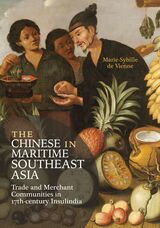
Connections between Asian and European markets increased dramatically in the seventeenth century, indicating a turning point in the global history of trade. The Dutch East-India Company (or VOC) was central to this process; however, counter to the VOC’s aims, the winners of the game in maritime Southeast Asia were often Chinese merchants. As this book shows, at the time, these merchants were the only economic agents capable of trading both in major Southeast Asian commercial hubs and developing exchanges with China and Japan. The Chinese operated with a flexibility of means and a fluidity of management that allowed them to react rapidly and quickly gain returns on investment. In Batavia, as in other Southeast Asian emporiums, the increasingly numerous and diverse Chinese elites assumed direct responsibility for the management of their community; this made them the most important non-European free community in the city during the second half of the seventeenth century.
The Chinese in Maritime Southeast Asia tells this remarkable story through an examination of the VOC’s abundant sources, which record relations between the Chinese minority and the Dutch rulers who relied upon them.
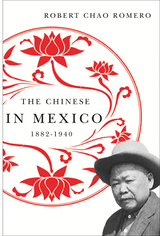
Robert Romero argues that Chinese immigrants turned to Mexico as a new land of economic opportunity after the passage of the U.S. Chinese Exclusion Act of 1882. As a consequence of this legislation, Romero claims, Chinese immigrants journeyed to Mexico in order to gain illicit entry into the United States and in search of employment opportunities within Mexico’s developing economy. Romero details the development, after 1882, of the “Chinese transnational commercial orbit,” a network encompassing China, Latin America, Canada, and the Caribbean, shaped and traveled by entrepreneurial Chinese pursuing commercial opportunities in human smuggling, labor contracting, wholesale merchandising, and small-scale trade.
Romero’s study is based on a wide array of Mexican and U.S. archival sources. It draws from such quantitative and qualitative sources as oral histories, census records, consular reports, INS interviews, and legal documents. Two sources, used for the first time in this kind of study, provide a comprehensive sociological and historical window into the lives of Chinese immigrants in Mexico during these years: the Chinese Exclusion Act case files of the U.S. Immigration and Naturalization Service and the 1930 Mexican municipal census manuscripts. From these documents, Romero crafts a vividly personal and compelling story of individual lives caught in an extensive network of early transnationalism.

"[Robert van Gulik] deftly interweaves three criminal cases involving exotic yet universally recognizable characters, then has his Judge Dee provide a surprising yet most plausible solution."—New York Times Book Review
This book is freely available in an open access edition thanks to TOME (Toward an Open Monograph Ecosystem)— a collaboration of the Association of American Universities, the Association of University Presses, and the Association of Research Libraries—and the generous support of the University of California, Davis. Learn more at the TOME website, available at: openmonographs.org.
Download the open access book here.
Tang uncovers crucial clues to modern Chinese literary and cultural practices through readings of Wu Jianren’s 1906 novel The Sea of Regret and works by canonical writers Lu Xun, Ding Ling, and Ba Jin. For the midcentury, he broadens his investigation by considering theatrical, cinematic, and visual materials in addition to literary texts. His reading of the 1963 play The Young Generation reveals the anxiety and terror underlying the exhilarating new socialist life portrayed on the stage. This play, enormously influential when it first appeared, illustrates the utopian vision of China’s lyrical age and its underlying discontents—both of which are critical for understanding late-twentieth-century China. Tang closes with an examination of post–Cultural Revolution nostalgia for the passion of the lyrical age.
Throughout Chinese Modern Tang suggests a historical and imaginative affinity between apparently separate literatures and cultures. He thus illuminates not only Chinese modernity but also the condition of modernity as a whole, particularly in light of the postmodern recognition that the market and commodity culture are both angel and devil.
This elegantly written volume will be invaluable to students of China, Asian studies, literary criticism, and cultural studies, as well as to readers who study modernity.
"So scrupulously in the classic Chinese manner yet so nicely equipped with everything to satisfy the modern reader."—New York Times
Robert Van Gulik (1910-67) was a Dutch diplomat and an authority on Chinese history and culture. He drew his plots from the whole body of Chinese literature, especially from the popular detective novels that first appeared in the seventeenth century.

The book seeks to redefine Chinese modernity and postmodernity through the analyses of both orthodox and avant-garde works. In doing so, the author draws on a number of theories, psychoanalysis and deconstruction in particular, revealing the hidden connection between the deconstructive mode of writing and the experience of history after trauma and showing how avant-garde literature brings about a varied literary paradigm that defies the dominant, subject-centered one in twentieth-century China.
The distinctiveness of The Chinese Postmodern is also found in its portrayal of the changes of literary paradigms in modern Chinese literature. By way of characterizing avant-garde fiction, it provides an overview of twentieth-century Chinese literature and offers a theorization of the intellectual history of modern China. Other issues concerning literary theory are explored, including the relationships between postmodernity and totalitarian discourse, between historical trauma and literary writing, and between psychic trauma and rhetorical irony. This book will appeal to readers in the fields of Chinese literature and culture, modern Chinese history, literary theory, and comparative literature.
Xiaobin Yang is Croft Assistant Professor, University of Mississippi.
During the Great Leap Forward, as hundreds of thousands of Chinese famine refugees headed to Inner Mongolia, Cheng Tiejun arrived in 1959 as a middle school student. In 1966, when the PRC plunged into the Cultural Revolution, he joined the Red Guards just as Inner Mongolia’s longtime leader, Ulanhu, was purged. With the military in control, and with deepening conflict with the Soviet Union and its ally Mongolia on the border, Mongols were accused of being nationalists and traitors. A pogrom followed, taking more than 16,000 Mongol lives, the heaviest toll anywhere in China.
At the heart of this book are Cheng’s first-person recollections of his experiences as a rebel. These are complemented by a close examination of the documentary record of the era from the three coauthors. The final chapter offers a theoretical framework for Inner Mongolia’s repression. The repression’s goal, the authors show, was not to destroy the Mongols as a people or as a culture—it was not a genocide. It was, however, a “politicide,” an attempt to break the will of a nationality to exercise leadership of their autonomous region. This unusual narrative provides urgently needed primary source material to understand the events of the Cultural Revolution, while also offering a novel explanation of contemporary Chinese minority politics involving the Uyghurs, Tibetans, and Mongols.
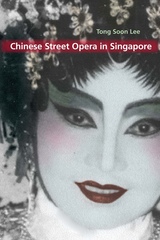
Since Singapore declared independence from Malaysia in 1965, Chinese street opera has played a significant role in defining Singaporean identity. Carefully tracing the history of amateur and professional performances in Singapore, Tong Soon Lee reflects on the role of street performance in fostering cultural nationalism and entrepreneurship. He explains that the government welcomes Chinese street opera performances because they combine tradition and modernism and promote a national culture that brings together Singapore's four main ethnic groups--Eurasian, Malay, Chinese, and South Asian.
Chinese Street Opera in Singapore documents the ways in which this politically motivated art form continues to be influenced and transformed by Singaporean politics, ideology, and context in the twenty-first century. By performing Chinese street opera, amateur troupes preserve their rich heritage, underscoring the Confucian mind-set that a learned person engages in the arts for moral and unselfish purposes. Educated performers also control behavior, emotions, and values. They are creative and innovative, and their use of new technologies indicates a modern, entrepreneurial spirit. Their performances bring together diverse ethnic groups to watch and perform, Lee argues, while also encouraging a national attitude focused on both remembering the past and preparing for the future in Singapore.
The writings collected here treat the origins, aesthetic principles, and functions of theater. Some are virtual manuals on playwriting and performance techniques; some describe the practices, conditions, and government policies concerning theatrical performance. Many of the selections forcefully dispute the myth that Chinese theater is valuable in performance but lacking in literature--the fact is that there is an equal, if not more prominent, emphasis on theme and content. What emerges from the writings in Chinese Theories of Theater and Performance from Confucius to the Present is a highly evolved and sophisticated aesthetic.
The texts are enhanced by Faye C. Fei's extensive introductions and annotative notes that provide essential background and contextual information. She has provided accurate and engagingly written translations of the texts, making the majority of them available in English for the first time. The anthology will appeal to teachers and students of theater and performance, artists interested in Chinese theater and arts, and scholars and historians of Asia. Literary critics, aestheticians, philosophers, and social scientists will also find the volume of interest, since Chinese conceptions of the theater and performance are closely connected to China's general outlook on the humanities.
Faye C. Fei is Assistant Professor of Dramatic Arts, Macalester College.
Contributors. Daniel A. Bell, Chishen Chang, Kuan-Hsing Chen, Prasenjit Duara, Hsieh Mei-yu, Haiyan Lee, Mark Edward Lewis, Lin Chun, Viren Murthy, Lisa Rofel, Ban Wang, Wang Hui, Yiqun Zhou

Chippewa Lake is an idyllic waterfront community in north-central Michigan, popular with retirees and weekenders. The lake is surrounded by a rural farming community, but the area is facing a difficult transition as local demographics shift, and as it transforms from an agriculture-based economy to one that relies on wage labor. As farms have disappeared, local residents have employed a variety of strategies to adapt to a new economic structure. The community, meanwhile, has been indelibly affected by the advent of newcomers and retirees challenging the rural cultural values. An anthropologist with a background in sociology, Cindy L. Hull deftly weaves together oral accounts, historic documents, and participant surveys compiled from her nearly thirty years of living in the area to create a textured portrait of a community in flux.
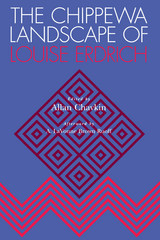
Louise Erdrich is arguably the most prolific and prominent contemporary writer of American Indian descent in North America today. Her novels and short stories have won great critical acclaim and are widely taught in American and world literature courses.
This collection of original ssays focuses on Erdrich's writings rooted in the Chippewa experience. Premier scholars of Native American literature investigate narrative structure, signs of ethnicity, the notions of luck and chance in Erdrich's narrative cosmology, her use of hunting metaphors, her efforts to counter stereotypes of American Indian women, her use of comedy in exploring American Indians' tragic past, her intentions underlying the process of revision in Love Medicine, and other subjects.
Including a variety of theoretical approaches, this book provides a comprehensive examination of Erdrich's work, making it more accessible to new readers and richer to those already familiar with her work.
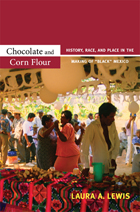
Drawing on more than a decade of fieldwork, Lewis offers a richly detailed and subtle ethnography of the lives and stories of the people of San Nicolás, including community residents who have migrated to the United States. San Nicoladenses, she finds, have complex attitudes toward blackness—as a way of identifying themselves and as a racial and cultural category. They neither consider themselves part of an African diaspora nor deny their heritage. Rather, they acknowledge their hybridity and choose to identify most deeply with their community.
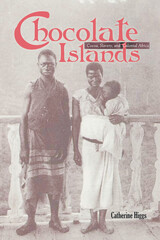
In Chocolate Islands: Cocoa, Slavery, and Colonial Africa, Catherine Higgs traces the early-twentieth-century journey of the Englishman Joseph Burtt to the Portuguese colony of São Tomé and Príncipe—the chocolate islands—through Angola and Mozambique, and finally to British Southern Africa. Burtt had been hired by the chocolate firm Cadbury Brothers Limited to determine if the cocoa it was buying from the islands had been harvested by slave laborers forcibly recruited from Angola, an allegation that became one of the grand scandals of the early colonial era. Burtt spent six months on São Tomé and Príncipe and a year in Angola. His five-month march across Angola in 1906 took him from innocence and credulity to outrage and activism and ultimately helped change labor recruiting practices in colonial Africa.
This beautifully written and engaging travel narrative draws on collections in Portugal, the United Kingdom, and Africa to explore British and Portuguese attitudes toward work, slavery, race, and imperialism. In a story still familiar a century after Burtt’s sojourn, Chocolate Islands reveals the idealism, naivety, and racism that shaped attitudes toward Africa, even among those who sought to improve the conditions of its workers.

This beautifully written and engaging travel narrative draws on collections in Portugal, the United Kingdom, and Africa to explore British and Portuguese attitudes toward work, slavery, race, and imperialism. In a story still familiar a century after Burtt’s sojourn, Chocolate Islands reveals the idealism, naivety, and racism that shaped attitudes toward Africa, even among those who sought to improve the conditions of its workers.
Chocolate on Trial: Cadbury, Slavery and the Economics of Virtue in Imperial Britain gives a lively and highly readable account of the events surrounding the libel trial in which Cadbury Bros. Ltd. sued the London Standard, following the newspaper's accusation that the firm was hypocritical in its use of slave-grown cocoa. As compelling now as at the turn of the previous century, the issues probed by Lowell J. Satre give invaluable historical background to contemporary issues of business ethics, corporate social responsibility, and globalization. The story Satre tells illuminates what a stubbornly persistent institution slavery was and shows how Cadbury, a company with a well-regarded brand name and logo, endured ethical dilemmas and challenges to its record for social responsibility. Chocolate on Trial brings to life the age-old conflict between economic interests and the value of human life.
Satre illuminates the stubborn persistence of the institution of slavery and shows how Cadbury, a company with a well-regarded brand name from the nineteenth century, faced ethical dilemmas and challenges to its record for social responsibility. Chocolate on Trial brings to life the age-old conflict between economic interests and regard for the dignity of human life.
Although it didn’t receive its Western scientific name, Theobroma cacao—“food of the gods”—until the eighteenth century, the cacao tree has been at the center of Mesoamerican mythology for thousands of years. Not only did this “chocolate tree” produce the actual seeds from which chocolate was extracted but it was also symbolically endowed with cosmic powers that enabled a dialogue between humans and their gods. From the pre-Columbian images included in this sumptuous book, we are able to see for ourselves the importance of chocolate to the Maya, Aztecs, Olmecs, Mixtecs, and Zapotecs who grew, produced, traded, and fought over the prized substance.
Through archaeological and other ethnohistoric research, the authors of this fascinating book document the significance of chocolate—to gods, kings, and everyday people—over several millennia. The illustrations allow us to envision the many ancient uses of this magical elixir: in divination ceremonies, in human sacrifices, and even in ball games. And as mythological connections between cacao trees, primordial rainforests, and biodiversity are unveiled, our own quest for ecological balance is reignited. In demonstrating the extraordinary value of chocolate in Mesoamerica, the authors provide new reasons—if any are needed—to celebrate this wondrous concoction.

Chocolate, Strawberry, and Vanilla traces the evolution of ice cream from a rarity to an everyday indulgence. It covers the genesis of ice cream in America, the invention of the hand-cranked ice cream freezer, the natural ice industry, the beginnings of wholesale ice cream manufacturing, and the origins of the ice cream soda, sundae, cone, sandwich, and bar. It also recounts the histories of many brands, including Dairy Queen, Good Humor, Eskimo Pie, Ben and Jerry's, Baskin-Robbins, and Haagen-Dazs. This history of ice cream reflects and reveals changes in social customs, diet and nutrition, class distinctions, leisure activities, and everyday life.

Air pollution prematurely kills seven million people every year, including more than one hundred thousand Americans. It is strongly linked to strokes, heart attacks, many kinds of cancer, dementia, and premature birth, among other ailments. In Choked, Beth Gardiner travels the world to tell the story of this modern-day plague, taking readers from the halls of power in Washington and the diesel-fogged London streets she walks with her daughter to Poland’s coal heartland and India’s gasping capital. In a gripping narrative that’s alive with powerful voices and personalities, she exposes the political decisions and economic forces that have kept so many of us breathing dirty air. This is a moving, up-close look at the human toll, where we meet the scientists who have transformed our understanding of pollution’s effects on the body and the ordinary people fighting for a cleaner future.
In the United States, air is far cleaner than it once was. But progress has failed to keep up with the science, which tells us that even today’s lower pollution levels are doing real damage. And as the Trump administration rips up the regulations that have brought us where we are, decades of gains are now at risk. Elsewhere, the problem is far worse, and choking nations like China are scrambling to replicate the achievements of an American agency—the EPA—that until recently was the envy of the world.
Clean air feels like a birthright. But it can disappear in a puff of smoke if the rules that protect it are unraveled. At home and around the world, it’s never been more important to understand how progress happened and what dangers might still be in store. Choked shows us that we hold the power to build a cleaner, healthier future: one in which breathing, life’s most basic function, no longer carries a hidden danger.
"A major work of interpretation of medical and social thought . . . this volume is also to be commended for its skillful, absorbing presentation of the background and the effects of this dread disease."—I.B. Cohen, New York Times
"The Cholera Years is a masterful analysis of the moral and social interest attached to epidemic disease, providing generally applicable insights into how the connections between social change, changes in knowledge and changes in technical practice may be conceived."—Steven Shapin, Times Literary Supplement
"In a way that is all too rarely done, Rosenberg has skillfully interwoven medical, social, and intellectual history to show how medicine and society interacted and changed during the 19th century. The history of medicine here takes its rightful place in the tapestry of human history."—John B. Blake, Science
Cholera was the classic epidemic disease of the nineteenth century, as the plague had been for the fourteenth. Its defeat was a reflection not only of progress in medical knowledge but of enduring changes in American social thought. Rosenberg has focused his study on New York City, the most highly developed center of this new society. Carefully documented, full of descriptive detail, yet written with an urgent sense of the drama of the epidemic years, this narrative is as absorbing for general audiences as it is for the medical historian. In a new Afterword, Rosenberg discusses changes in historical method and concerns since the original publication of The Cholera Years.
"A major work of interpretation of medical and social thought . . . this volume is also to be commended for its skillful, absorbing presentation of the background and the effects of this dread disease."—I.B. Cohen, New York Times
"The Cholera Years is a masterful analysis of the moral and social interest attached to epidemic disease, providing generally applicable insights into how the connections between social change, changes in knowledge and changes in technical practice may be conceived."—Steven Shapin, Times Literary Supplement
"In a way that is all too rarely done, Rosenberg has skillfully interwoven medical, social, and intellectual history to show how medicine and society interacted and changed during the 19th century. The history of medicine here takes its rightful place in the tapestry of human history."—John B. Blake, Science
Chomsky is as controversial as he is influential. Admirers see him as a courageous teller of unpleasant truths about political power and those who wield it in the United States. Critics view him as a propagandist and ideologue who sees only black and white where there are multiple shades of gray. While Chomsky's fans tend to view him uncritically, his critics often don't take him seriously. Unlike any previous work, this book takes Chomsky seriously while treating him critically. The author gives Chomsky credit for valuable contributions to our understanding of the contemporary political world, but spares no criticism of the serious deficiencies he sees in Chomsky's political analyses.
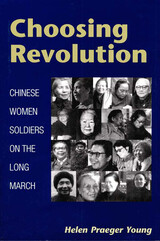
Enormously rich in detail, Young's Choosing Revolution reveals the complex interplay between women's experiences and the official, almost mythic version of the Long March. In addition to their riveting stories of the march itself, Young's subjects reveal much about what it meant in China to grow up female and, in many cases, poor during the first decades of the twentieth century. In speaking about the work they did and how they adapted to the demands of being a soldier, these women--both educated individuals who were well-known leaders and illiterate peasants--reveal the Long March as only one of many segments of the revolutionary paths they chose.
Against a background of diverse perspectives on the Long March, Young presents the experiences of four women in detail: one who brought her infant daughter with her on the Long March, one who gave birth during the march, one who was a child participant, and one who attended medical school during the march. Young also includes the stories of three women who did not finish the Long March. Her unique record of ordinary women in revolutionary circumstances reveals the tenacity and resilience that led these individuals far beyond the limits of most Chinese women's lives.
Carter and Scott combine extensive quantitative analysis, interviews with members of Congress and their staff, and case studies of key foreign policy entrepreneurs, including Frank Church, William Fulbright, Jesse Helms, Edward Kennedy, Pat McCarran, and Curt Weldon. Drawing on their empirical data, the authors identify the key variables in foreign policy entrepreneurship, including membership in the Senate or House, seniority and committee assignments, majority or minority party status, choice of foreign policy issues, and the means used to influence policy. By illuminating the roles and impact of individual members of Congress, Carter and Scott contribute to a more nuanced understanding of the broader U.S. foreign policy-making process.
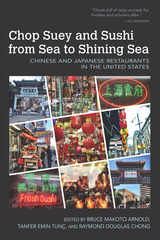
The essays in Chop Suey and Sushi from Sea to Shining Sea fill gaps in the existing food studies by revealing and contextualizing the hidden, local histories of Chinese and Japanese restaurants in the United States.
The writer of these essays show how the taste and presentation of Chinese and Japanese dishes have evolved in sweat and hardship over generations of immigrants who became restaurant owners, chefs, and laborers in the small towns and large cities of America. These vivid, detailed, and sometimes emotional portrayals reveal the survival strategies deployed in Asian restaurant kitchens over the past 150 years and the impact these restaurants have had on the culture, politics, and foodways of the United States.
Some of these authors are family members of restaurant owners or chefs, writing with a passion and richness that can only come from personal investment, while others are academic writers who have painstakingly mined decades of archival data to reconstruct the past. Still others offer a fresh look at the amazing continuity and domination of the “evil Chinaman” stereotype in the “foreign” world of American Chinatown restaurants. The essays include insights from a variety of disciplines, including history, sociology, anthropology, ethnography, economics, phenomenology, journalism, food studies, and film and literary criticism.
Chop Suey and Sushi from Sea to Shining Sea not only complements the existing scholarship and exposes the work that still needs to be done in this field, but also underscores the unique and innovative approaches that can be taken in the field of American food studies.
From 1974 to the present, the Institute of Classical Archaeology at the University of Texas at Austin has carried out archaeological excavations in the ancient territory (chora) of Metaponto, now located in the modern province of Basilicata on the southern coast of Italy. This wide-ranging investigation, which covers a number of sites and a time period ranging from prehistory to the Roman Empire, has unearthed a wealth of new information about the ancient rural economy in southern Italy. These discoveries will be published in a multi-volume series titled The Chora of Metaponto. This volume on archaeozoology—the study of animal remains from archaeological sites—is the second in the series, following The Chora of Metaponto: The Necropoleis (1998).
Archaeozoology at Pantanello and Five Other Sites describes the animal remains found throughout Metaponto and discusses what they reveal about ancient practices of hunting and herding, domestication and importation of new breeds, people's attitudes toward animals, and what animal remains indicate about past environments. A chapter devoted to bird bones, which are a relatively rare find because of their fragility, provides high quality information on the environment and methods of fowling, as well as on the beliefs and symbolism associated with birds. The final chapter covers tools—some simple, others sophisticated and richly decorated—made from animal bones.
2023 de la Torre Bueno® First Book Award, Dance Studies Association
The impact of folkloric dance and performance on Mexican cultural politics and national identity.
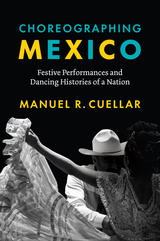
The years between 1910 and 1940 were formative for Mexico, with the ouster of Porfirio Díaz, the subsequent revolution, and the creation of the new state. Amid the upheaval, Mexican dance emerged as a key arena of contestation regarding what it meant to be Mexican. Through an analysis of written, photographic, choreographic, and cinematographic renderings of a festive Mexico, Choreographing Mexico examines how bodies in motion both performed and critiqued the nation.
Manuel Cuellar details the integration of Indigenous and regional dance styles into centennial celebrations, civic festivals, and popular films. Much of the time, this was a top-down affair, with cultural elites seeking to legitimate a hegemonic national character by incorporating traces of indigeneity. Yet dancers also used their moving bodies to challenge the official image of a Mexico full of manly vigor and free from racial and ethnic divisions. At home and abroad, dancers made nuanced articulations of female, Indigenous, Black, and even queer renditions of the nation. Cuellar reminds us of the ongoing political significance of movement and embodied experience, as folklórico maintains an important and still-contested place in Mexican and Mexican American identity today.
Recovers an important dimension of the work of the renowned African American artist
While Zora Neale Hurston and her 1937 novel Their Eyes Were Watching God have become widely celebrated, she was also a prolific stage director and choreographer. In the 1930s Hurston produced theatrical concerts that depicted a day in the life of a railroad work camp in Florida and featured a rousing Bahamian Fire Dance as the dramatic finale. In Choreographing the Folk, Anthea Kraut traces the significance and influence of Hurston’s little-known choreographic work.
Hurston’s concerts were concrete illustrations of the “real Negro art theatre” she was eager to establish, and they compellingly demonstrate how she used the arena of performance to advance a nuanced understanding of the black diaspora. Her version of the Fire Dance was staged in a variety of venues during the 1930s. In its multiple representations, Kraut asserts, the dance raised critical issues about ownership, artistry, and authenticity. Choreographing the Folk argues for the significance of Hurston’s choreography, and with perceptiveness, sensitivity, and originality, Kraut illuminates the important and often-contested place of black folk dance in American culture.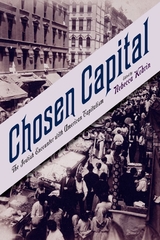
Surveying such diverse topics as Jews’ participation in the real estate industry, the liquor industry, and the scrap metal industry, as well as Jewish political groups and unions bent on reforming American capital, such as the American Labor Party and the International Ladies’ Garment Workers’ Union, contributors to this volume provide a new prism through which to view the Jewish encounter with America. The volume also lays bare how American capitalism reshaped Judaism itself by encouraging the mass manufacturing and distribution of foods like matzah and the transformation of synagogue cantors into recording stars. These essays force us to rethink not only the role Jews played in American economic development but also how capitalism has shaped Jewish life and Judaism over the course of the twentieth century.
Contributors:
Marni Davis, Georgia State University
Phyllis Dillon, independent documentary producer, textile conservator, museum curator
Andrew Dolkart, Columbia University
Andrew Godley, Henley Business School, University of Reading
Jonathan Karp, executive director, American Jewish Historical Society
Daniel Katz, Empire State College, State University of New York
Ira Katznelson, Columbia University
David S. Koffman, New York University
Eli Lederhendler, Hebrew University, Jerusalem
Jonathan Z. S. Pollack, University of Wisconsin—Madison
Jonathan D. Sarma, Brandeis University
Jeffrey Shandler, Rutgers University
Daniel Soyer, Fordham University
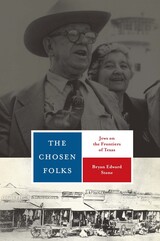
Texas has one of the largest Jewish populations in the South and West, comprising an often-overlooked vestige of the Diaspora. The Chosen Folks brings this rich aspect of the past to light, going beyond single biographies and photographic histories to explore the full evolution of the Jewish experience in Texas.
Drawing on previously unpublished archival materials and synthesizing earlier research, Bryan Edward Stone begins with the crypto-Jews who fled the Spanish Inquisition in the late sixteenth century and then discusses the unique Texas-Jewish communities that flourished far from the acknowledged centers of Jewish history and culture. The effects of this peripheral identity are explored in depth, from the days when geographic distance created physical divides to the redefinitions of "frontier" that marked the twentieth century. The rise of the Ku Klux Klan, the creation of Israel in the wake of the Holocaust, and the civil rights movement are covered as well, raising provocative questions about the attributes that enabled Texas Jews to forge a distinctive identity on the national and world stage. Brimming with memorable narratives, The Chosen Folks brings to life a cast of vibrant pioneers.
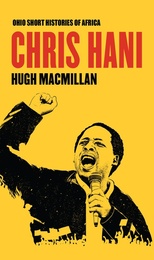
This biography shows how Black political leader Chris Hani’s life and death were pivotal to ending apartheid and to establishing a democratic government in South Africa.
Chris Hani is one of the most iconic figures in South Africa’s history, as a leader within the African National Congress (ANC) and as chief of staff of uMkhonto we Sizwe, the armed wing of the ANC. His assassination in 1993 by a far-right militant threatened negotiations to end apartheid and install a democratic government. Serious tensions followed the assassination, leading Nelson Mandela to address the nation in an effort to avert further violence:
Tonight I am reaching out to every single South African, black and white, from the very depths of my being. A white man, full of prejudice and hate, came to our country and committed a deed so foul that our whole nation now teeters on the brink of disaster. A white woman, of Afrikaner origin, risked her life so that we may know, and bring to justice, this assassin. The cold-blooded murder of Chris Hani has sent shock waves throughout the country and the world… Now is the time for all South Africans to stand together against those who, from any quarter, wish to destroy what Chris Hani gave his life for: the freedom of all of us.
Hugh Macmillan’s concise biography details Hani’s important role in shaping twentieth-century South African history.


A timely new edition of the acclaimed work, Christian America and the Kingdom of God spotlights how the centuries-long pursuit of a Christian America has bred an aggressive white Christian nationalism that twists faith, unleashes unchristian behavior, and threatens the nation.
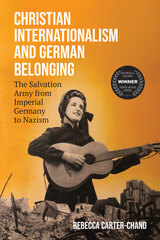
In this groundbreaking reevaluation, Rebecca Carter-Chand argues that the Salvation Army was able to emphasize different aspects of its identity to bolster and repair its reputation as needed in varied political contexts, highlighting the variability of Nazi practices of inclusion and exclusion. In that way, the organization was similar to other Christian groups in Germany. Counter to common hypotheses that minority religious groups are more likely to show empathy to other minorities, dynamics within Nazi Germany reveal that many religious minorities sought acceptance from the state in an effort to secure self-preservation.
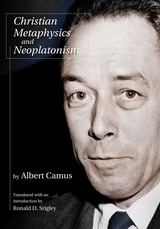
Contemporary scholarship tends to view Albert Camus as a modern, but he himself was conscious of the past and called the transition from Hellenism to Christianity “the true and only turning point in history.” For Camus, modernity was not fully comprehensible without an examination of the aspirations that were first articulated in antiquity and that later received their clearest expression in Christianity. These aspirations amounted to a fundamental reorientation of human life in politics, religion, science, and philosophy.
Understanding the nature and achievement of that reorientation became the central task of Christian Metaphysics and Neoplatonism. Primarily known through its inclusion in a French omnibus edition, ithas remained one of Camus’ least-read works, yet it marks his first attempt to understand the relationship between Greek philosophy and Christianity as he charted the movement from the Gospels through Gnosticism and Plotinus to what he calls Augustine’s “second revelation” of the Christian faith.
Ronald Srigley’s translation of this seminal document helps illuminate these aspects of Camus’ work. His freestanding English edition exposes readers to an important part of Camus’ thought that is often overlooked by those concerned primarily with the book’s literary value and supersedes the extant McBride translation by retaining a greater degree of literalness.
Srigley has fully annotated Christian Metaphysics to include nearly all of Camus’ original citations and has tracked down many poorly identified sources. When Camus cites an ancient primary source, whether in French translation or in the original language, Srigley substitutes a standard English translation in the interest of making his edition accessible to a wider range of readers. His introduction places the text in the context of Camus’ better-known later work, explicating its relationship to those mature writings and exploring how its themes were reworked in subsequent books.
Arguing that Camus was one of the great critics of modernity through his attempt to disentangle the Greeks from the Christians, Srigley clearly demonstrates the place of Christian Metaphysics in Camus’ oeuvre. As the only stand-alone English version of this important work—and a long-overdue critical edition—his fluent translation is an essential benchmark in our understanding of Camus and his place in modern thought.

Observers and historians continue to marvel at the diversity and complexity of the Ottoman Empire. This book explores the significant and multifaceted role that Orthodox Christian networks played in the sultan’s realm from the 17th century until WWI. These multi-ethnic, multi-lingual, and multi-confessional formations contributed fundamentally to the political, economic, social, and cultural development of the Empire as well as to its gradual disintegration.
Bringing together scholars from most Balkan countries, Christian Networks in the Ottoman Empire describes the variety of Orthodox Christian networks under Ottoman rule. The examples examined include commercial relations, intellectual networks, educational systems, religious dynamics, consular activities, and revolutionary movements, and involve Muslims and Christians, Romanians and Serbs, Bulgarians and Greeks, Albanians and Turks. The contributions show that the Christian populations and their elites were an integral part of Ottoman society.
The geographical spread of the formal and informal networks enriches our understanding of the terms ‘center’ and ‘periphery.’ They were either centered within the official Ottoman borders and extended their activities to other states and empires, or vice versa, located elsewhere, but also active in the Ottoman Empire. A common feature of these formations is their constant fluctuation, which enables a dynamic understanding of Ottoman history.
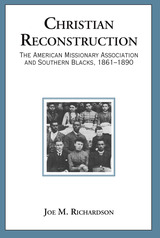
"Joe Richardson's Christian Reconstruction is a solid addition to historical scholarship on the work of Yankee missionaries among the freedmen during the Civil War and Reconstruction. . . . Without question, this is the most comprehensive history of the American Missionary Association (AMA), and no one has uncovered as much detailed information on any other Northern aid society. Rich in detail and strongly recommended, the book argues that the AMA struggled to prepare the liberated slaves for civil and political equality by freeing them of the shackles of ignorance, superstition and sin.This book ought to be read by all those interested in Northern educational and social reformers in the Reconstruction South."
--The Journal of American History
"In an extraordinarily balanced study Richardson has synthesized a wealth of sources and research to produce a thoroughly convincing interpretation of the AMA and southern blacks. Besides exploring relations between the two, his main objective has been to assess the AMA's effectiveness in bringing blacks into the American mainstream. Because of his successful labors, we now have a much-needed comprehensive study of that most influential missionary organization. Whether addressing conflicts between the AMA and the US military over the treatment of contrabands, charges of racism among black and white missionaries, or the quality of association colleges, Richardson does not allow his obvious admiration for the AMA to interfere. . . . With bold logic and considerable subtlety Richardson has made an impressive contribution.
--The Journal of Southern History

From the first rumblings of the Moral Majority over twenty years ago, the Christian Right has been marshalling its forces and maneuvering its troops in an effort to re-shape the landscape of American politics. It has fascinated social scientists and journalists as the first right-wing social movement in postwar America to achieve significant political and popular support, and it has repeatedly defied those who would step up to write its obituary. In 2000, while many touted the demise of the Christian Coalition, the broader undercurrents of the movement were instrumental in helping George W. Bush win the GOP nomination and the White House. Bush repaid that swell of support by choosing Senator John Ashcroft, once the movement's favored presidential candidate, as attorney general.
The Christian Right in American Politics, under the direction of three of the nation's leading scholars in the field of religion and politics, recognizing the movement as a force still to be reckoned with, undertakes the important task of making an historical analysis of the Christian Right in state politics during its heyday, 1980 to the millennium. Its twelve chapters, written by outstanding scholars, review the impact and influence of the Christian Right in those states where it has had its most significant presence: South Carolina, Virginia, Texas, Florida, Michigan, Iowa, Kansas, Minnesota, Colorado, California, Maine, and Oregon and Washington.
Since 1980, scholars have learned a good deal about the social characteristics, religious doctrine, and political beliefs of activists in and supporters of the Christian Right in these states, and each contribution is based on rigorous, dispassionate scholarship. The writers explore the gains and losses of the movement as it attempts to re-shape political landscapes. More precisely, they provide in-depth descriptions of the resources, organizations, and the group ecologies in which the Christian Right operates-the distinct elements that drove the movement forward.
As the editors state, "the Christian Right has been engaged in a long and torturous 'march toward the millennium,' from outsider status into the thick of American politics." Those formative years, 1980-2000, are essential for any understanding of this uniquely American social movement. This rigorous analysis over many states and many elections provides the clearest picture yet of the goals, tactics, and hopes of the Christian Right in America.
The first volume of a magisterial survey of the entire history of the Christian tradition, this volume focusing on the emergence of Catholicism
In this five-volume opus Jaroslav Pelikan traces the development of Christian doctrine from the first century to the twentieth.
"It is a pleasure to salute this masterpiece of exposition. . . . The book flows like a great river, slipping easily past landscapes of the utmost diversity—the great Christological controversies of the seventh century, the debate on icons in the eighth and ninth, attitudes to Jews, to Muslims, to the dualistic heresies of the high Middle Ages, to the post-Reformation churches of Western Europe. . . . His book succeeds in being a study of the Eastern Christian religion as a whole."—Peter Brown and Sabine MacCormack, New York Review of Books
"The second volume of Professor Pelikan's monumental work on The Christian Tradition is the most comprehensive historical treatment of Eastern Christian thought from 600 to 1700, written in recent years. . . . Pelikan's reinterpretation is a major scholarly and ecumenical event."—John Meyendorff
"Displays the same mastery of ancient and modern theological literature, the same penetrating analytical clarity and balanced presentation of conflicting contentions, that made its predecessor such an intellectual treat."—Virgina Quarterly Review
"In this volume Jaroslav Pelikan continues the splendid work he has done thus far in his projected five-volume history of the development of Christian doctrine, defined as 'what the Church believes, teaches, and confesses on the basis of the word of God.' The entire work will become an indispensable resource not only for the history of doctrine but also for its reformulation today. Copious documentation in the margins and careful indexing add to its immense usefulness."—E. Glenn Hinson, Christian Century
"This book is based on a most meticulous examination of medieval authorities and the growth of medieval theology is essentially told in their own words. What is more important, however, then the astounding number of primary sources the author has consulted or his sovereign familiarity with modern studies on his subject, is his ability to discern form and direction in the bewildering growth of medieval Christian doctrine, and, by thoughtful emphasis and selection, to show the pattern of that development in a lucid and persuasive narrative. No one interested in the history of Christianity or theology and no medievalist, whatever the field of specialization, will be able to ignore this magnificent synthesis."—Bernhard W. Scholz, History
"The series is obviously the indispensable text for graduate theological study in the development of doctrine, and an important reference for scholars of religious and intellectual history as well. . . . Professor Pelikan's series marks a significant departure, and in him we have at last a master teacher."—Marjorie O'Rourke Boyle, Commonweal
"Only in America, and in this case from a Lutheran scholar, could we expect an examination so lacking in parti pris, a survey so perceptive, so free—and, one must say, the result of so much immense labor, so rewardingly presented."—John M. Todd, New York Times Book Review
"Never wasting a word or losing a plot line, Pelikan builds on an array of sources that few in our era have the linguistic skill, genius or ambition to master."—Martin E. Marty, America
"The use of both primary materials and secondary sources is impressive, and yet it is not too formidable for the intelligent layman."—William S. Barker, Eternity
"Knowledge of the immense intellectual effort invested in the construction of the edifice of Christian doctrine by the best minds of each successive generation is worth having. And there can hardly be a more lucid, readable and genial guide to it than this marvellous work."—Economist
"This volume, like the series which it brings to a triumphant conclusion, may be unreservedly recommended as the best one-stop introduction currently available to its subject."—Alister E. McGrath, Times Higher Education Supplement
"Professor Pelikan's series marks a significant departure, and in him we have at last a master teacher."—Marjorie O'Rourke Boyle, Commonweal
"Pelikan's book marks not only the end of a dazzling scholarly effort but the end of an era as well. There is reason to suppose that nothing quite like it will be tried again."—Harvey Cox, Washington Post Book World
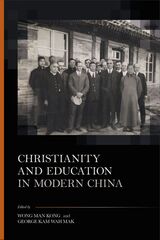
In Christianity and Education in Modern China, the contributors demonstrate how Christianity served as a driving force in the development of modern education in China. Each essay offers new insights into Christian influence on education in modern China while examining how Christian missionaries and Chinese Christian educators interacted with China's social, cultural, and political contexts. They also explore how the legacies of Christian higher education affected higher education in mainland China, Taiwan, and Asia at large. On the whole, this volume compares the Western missionary and Chinese Christian perspectives with rich historiographical acumen by offering original case studies to examine Christianity’s impact on education in modern China.

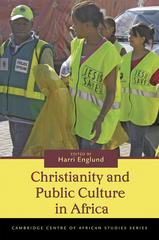
Christianity and Public Culture in Africa takes readers beyond familiar images of religious politicians and populations steeped in spirituality. It shows how critical reason and Christian convictions have combined in surprising ways as African Christians confront issues such as national constitutions, gender relations, and the continuing struggle with HIV/AIDS.
The wide-ranging essays included here explore rural Africa and the continent’s major cities, colonial and missionary legacies, and mass media images in the twenty-first century. They also reveal the diversity of Pentecostalism in Africa and highlight the region’s remarkable denominational diversity. Scholars and students alike will find these essays timely and impressive.
The contributors demonstrate how the public significance of Christianity varies across time and place. They explore rural Africa and the continent’s major cities, and colonial and missionary situations, as well as mass-mediated ideas and images in the twenty-first century. They also reveal the plurality of Pentecostalism in Africa and keep in view the continent’s continuing denominational diversity. Studentsand scholars will find these topical studies to be impressive in scope.
Contributors: Barbara M. Cooper, Harri Englund, Marja Hinfelaar, Nicholas Kamau-Goro, Birgit Meyer, Michael Perry Kweku Okyerefo, Damaris Parsitau, Ruth Prince, James A. Pritchett, Ilana van Wyk
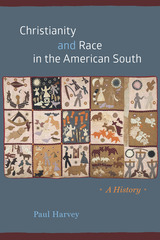
Harvey chronicles the diversity and complexity in the intertwined histories of race and religion in the South, dating back to the first days of European settlement. He presents a history rife with strange alliances, unlikely parallels, and far too many tragedies, along the way illustrating that ideas about the role of churches in the South were critically shaped by conflicts over slavery and race that defined southern life more broadly. Race, violence, religion, and southern identity remain a volatile brew, and this book is the persuasive historical examination that is essential to making sense of it.
Focusing on Christianity as a religion, Gerhart and Udoh select texts that illuminate issues such as theology, mysticism, and ritual, while also articulating the stories of previously marginalized groups, as well as those in new and growing epicenters of the religion. With nearly three hundred selections, the texts encompass the entire history of Christian writings excluding the New Testament, from Justin Martyr and Tertullian to Fabien Eboussi Boulaga and Teresa of Calcutta. Eight thematic sections cover biblical traditions and interpretations; early influences; nascent forms; patterns of worship; structures of community; philosophy, theology, and mysticism; twentieth-century issues and challenges; and the contemporary relationship between Christianity and other world religions. The Reader’s contents are arranged chronologically and are supported with introductions and source notes that explain the rationale for their inclusion and their context.
Providing a far richer selection than ever before available in a single volume, The Christianity Reader will be welcomed as both a classroom resource and a work of reference for decades to come.
John Boswell’s National Book Award–winning study of the history of attitudes toward homosexuality in the early Christian West was a groundbreaking work that challenged preconceptions about the Church’s past relationship to its gay members—among them priests, bishops, and even saints—when it was first published in 1980. The historical breadth of Boswell’s research (from the Greeks to Aquinas) and the variety of sources consulted make this one of the most extensive treatments of any single aspect of Western social history.
This edition offers a new foreword by leading queer and religious studies scholar Mark D. Jordan that reminds current readers, scholars, and students that Christianity, Social Tolerance, and Homosexuality is still fiercely relevant. This landmark book helped form the disciplines of gay and gender studies, and it continues to illuminate the origins and operations of intolerance as a social force.
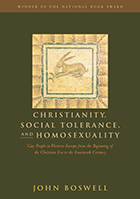
John Boswell's National Book Award-winning study of the history of attitudes toward homosexuality in the early Christian West was a groundbreaking work that challenged preconceptions about the Church's past relationship to its gay members—among them priests, bishops, and even saints—when it was first published twenty-five years ago. The historical breadth of Boswell's research (from the Greeks to Aquinas) and the variety of sources consulted make this one of the most extensive treatments of any single aspect of Western social history. Christianity, Social Tolerance, and Homosexuality, still fiercely relevant today, helped form the disciplines of gay and gender studies, and it continues to illuminate the origins and operations of intolerance as a social force.
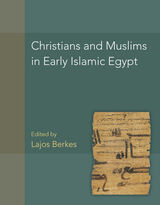
This volume collects studies exploring the relationship of Christians and Muslims in everyday life in Early Islamic Egypt (642–10th c.) focusing mainly, but not exclusively on administrative and social history. The contributions concentrate on the papyrological documentation preserved in Greek, Coptic, and Arabic. By doing so, this book transcends traditional disciplinary boundaries and offers results based on a holistic view of the documentary material. The articles of this volume discuss various aspects of change and continuity from Byzantine to Islamic Egypt and offer also the (re)edition of 23 papyrus documents in Greek, Coptic, and Arabic. The authors provide a showcase of recent papyrological research on this under-studied, but dynamically evolving field.
After an introduction by the editor of the volume that outlines the most important trends and developments of the period, the first two essays shed light on Egypt as part of the Caliphate. The following six articles, the bulk of the volume, deal with the interaction and involvement of the Egyptian population with the new Muslim administrative apparatus. The last three studies of the volume focus on naming practices and language change.
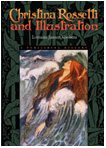
Readers do not always take into account how books that combine image and text make their meanings. But for the Pre-Raphaelite poet Christina Rossetti, such considerations were central.
Christina Rossetti and Illustration maps the production and reception of Rossetti’s illustrated poetry, devotional prose, and work for children, both in the author’s lifetime and in posthumous twentieth-century reprints.
Lorraine Janzen Kooistra’s reading of Rossetti’s illustrated works reveals for the first time the visual-verbal aesthetic that was fundamental to Rossetti’s poetics. Her exhaustive archival research brings to light new information on how Rossetti’s commitment to illustration and attitudes to copyright and control influenced her transactions with publishers and the books they produced. Janzen Kooistra also tracks the poet’s reception in the twentieth century through a complex web of illustrated books produced for a wide range of audiences.
Analyzing an impressive array of empirical data, Janzen Kooistra shows how Rossetti’s packaging for commodity consumption—by religious presses, publishers of academic editions and children’s picture books, and makers of erotica and collectibles—influenced the reception of her work and her place in literary history.
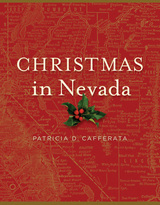
• Includes a story from each of the state’s seventeen counties
• Illustrated with 57 historic photographs, many previously unpublished
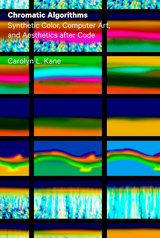
Chromatic Algorithms reveals the fascinating history behind digital color, tracing it from the work of a few brilliant computer scientists and experimentally minded artists in the late 1960s and early ‘70s through to its appearance in commercial software in the early 1990s. Mixing philosophy of technology, aesthetics, and media analysis, Carolyn Kane shows how revolutionary the earliest computer-generated colors were—built with the massive postwar number-crunching machines, these first examples of “computer art” were so fantastic that artists and computer scientists regarded them as psychedelic, even revolutionary, harbingers of a better future for humans and machines. But, Kane shows, the explosive growth of personal computing and its accompanying need for off-the-shelf software led to standardization and the gradual closing of the experimental field in which computer artists had thrived.
Even so, the gap between the bright, bold presence of color onscreen and the increasing abstraction of its underlying code continues to lure artists and designers from a wide range of fields, and Kane draws on their work to pose fascinating questions about the relationships among art, code, science, and media in the twenty-first century.
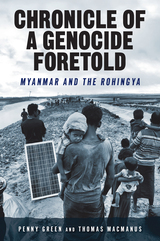
Chronicle of a Genocide Foretold is a powerful account of one of the most devastating human crises of the 21st century. Drawing on firsthand research conducted in Burma (Myanmar) and neighboring countries, the book uncovers how the Rohingya Muslims have been systematically isolated, impoverished, and targeted in a state-led genocidal campaign. Through more than 150 interviews with survivors, local officials, religious leaders, and international actors, the authors reveal how discrimination, mass displacement, and organized brutality have created conditions that meet the legal, criminological, and moral definition of genocide. The book also challenges the silence and complicity of the international community. Accessible and grounded in rigorous research, this book speaks to scholars, activists, policymakers, and anyone concerned with justice, human rights, and the global failure to prevent genocide.
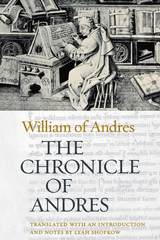
In 1220 Abbot William of Andres, a monastery halfway between Calais and Saint-Omer on the busy road from London to Paris, sat down to write an ambitious cartulary-chronicle for his monastery. Although his work was unfinished at his death, William’s account is an unpolished gem of medieval historical writing. The Chronicle of Andres details the history of his monastery from its foundation in the late eleventh century through the early part of 1234. Early in the thirteenth century, the monks decided to sue for their freedom and appointed William as their protector. His travels took him on a 4000 km, four-year journey, during which he was befriended by Innocent III, among others, and where he learned to negotiate the labyrinthine system of the ecclesiastical courts. Upon winning his case, he was elected abbot on his return to Andres and enjoyed a flourishing career thereafter. A decade after his victory, William decided to put the history of the monastery on a firm footing.
This text not only offers insight into the practice of medieval canon law (from the perspective of a well-informed man with legal training), but also ecclesiastical policies, the dynamics of life within a monastery, ethnicity and linguistic diversity, and rural life. It is comparable in its frankness to Jocelin of Brakelord’s Chronicle of Bury. Because William drew on the historiographic tradition of the Southern Low Countries, his text also offers some insights into this subject, thus composing a broad picture of the medieval European monastic world.
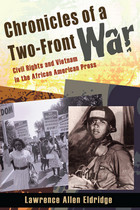
Eldridge reveals how the black press not only reported the war but also weighed its significance in the context of the civil rights movement.
Eldridge examines not only the role of reporters during the war, but also those of editors, commentators, and cartoonists. Especially enlightening is the research drawn from extensive oral histories by prominent journalist Ethel Payne, the first African American woman to receive the title of war correspondent. She described a widespread practice in black papers of reworking material from major white papers without providing proper credit, as the demand for news swamped the small budgets and limited staffs of African American papers. The author analyzes both the strengths of the black print media and the weaknesses in their coverage.
The black press ultimately viewed the Vietnam War through the lens of African American experience, blaming the war for crippling LBJ’s Great Society and the War on Poverty. Despite its waning hopes for an improved life, the black press soldiered on.
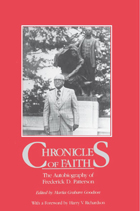
Patterson, orphaned soon after birth in 1901, became a veterinary scientist at Tuskegee Institute and soon thereafter--at the depths of the Depression--was selected as president of that most important institution. It was at Tuskegee that Patterson formulated the idea and the organization--the United Negro College Fund. In doing so he made a place for himself in U.S. and world history by providing the model of cooperative fund raising that enabled financially starved private black colleges to survive and serve the youth of the segregated North and South.
2025 Al Lowman Memorial Prize, Texas State Historical Association
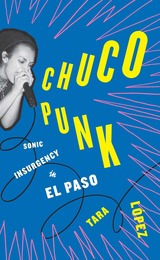
An immersive study of the influential and predominantly Chicanx punk rock scene in El Paso, Texas.
Punk rock is known for its daring subversion, and so is the West Texas city of El Paso. In Chuco Punk, Tara López dives into the rebellious sonic history of the city, drawing on more than seventy interviews with punks, as well as unarchived flyers, photos, and other punk memorabilia. Connecting the scene to El Paso's own history as a borderland, a site of segregation, and a city with a long lineage of cultural and musical resistance, López throws readers into the heat of backyard punx shows, the chaos of riots in derelict mechanic shops, and the thrill of skateboarding on the roofs of local middle schools. She reveals how, in this predominantly Chicanx punk rock scene, women forged their own space, sound, and community. Covering the first roots of Chuco punk in the late 1970s through the early 2000s, López moves beyond the breakout bands to shed light on how the scene influenced not only the contours of sound and El Paso but the entire topography of punk rock.
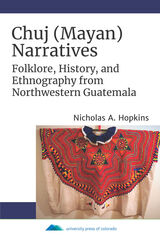
The book illustrates the broad range of stories people tell each other, from mythological and legendary topics to procedural discussions and stories borrowed from European and African societies. Hopkins provides context for the narratives by introducing the reader to Chuj culture and history, conveying important events as described by indigenous participants. These events include customs and practices related to salt production as well as the beginnings of the disastrous civil war of the last century, which resulted in the destruction of several villages from which the narratives in this study originated. Hopkins also provides an analytical framework for the strategies of the storytellers and presents the narratives with Chuj text and English translation side-by-side.
Chuj (Mayan) Narratives analyzes the strategies of storytelling in an innovative framework applicable to other corpora and includes sufficient grammatical information to function as an introduction to the Chuj language. The stories illustrate the persistence of Classic Maya themes in contemporary folk literature, making the book significant to Mesoamericanists and Mayanists and an essential resource for students and scholars of Maya linguistics and literary traditions, storytelling, and folklore.
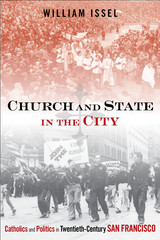
Church and State in the City provides the first comprehensive analysis of the city’s long debate about the public interest. Historian William Issel explores the complex ways that the San Francisco Catholic Church—and its lay men and women—developed relationships with the local businesses, unions, other community groups, and city government to shape debates about how to define and implement the common good. Issel’s deeply researched narrative also sheds new light on the city’s socialists, including Communist Party activists—the most important transnational challengers of both capitalism and Catholicism during the twentieth century.
Moreover, Church and State in the City is revisionist in challenging the notion that the history of urban politics and policy can best be understood as the unfolding of a progressive, secular modernization of urban political culture. Issel shows how tussles over the public interest in San Francisco were both distinctive to the city and shaped by its American character.
In the series Urban Life, Landscape, and Policy, edited by Zane L. Miller, David Stradling, and Larry Bennett
Years in advance of the collapse of communism in Eastern Europe, Poland underwent one of the most radical and painful social and political upheavals of our century. Through a wide body of writing and an unswerving political commitment that took him from prison to parliament, Adam Michnik was a central figure in these events—culminating in 1989 with his role in formulating the political deal that brought Solidarity to power. Michnik's writings, most of them smuggled out of prison, have been translated into many languages; but until now, only isolated essays have appeared in English.
In The Church and the Left, Michnik gives full expression to the ideas that have shaped the drama of Poland and of our time. The unlikely alliance of the Catholic Church and the dissident Left is one of the most fascinating and confusing features of the Polish revolutionary movement. No other book better explains the logic of this powerful coalition—or its future implications. In superb discussions of liberalism and nationalism, of secularism and clericalism, Michnik illuminates the unique makeup and direction of Poland's social revolution and, at the same time, offers unparalleled insight into the internal struggles still present in Eastern Europe.
Today, as religious revivals proliferate and secular progress, whether liberal or communist, comes under suspicion, the relationship of religion to politics has become a pressing issue far beyond the boundaries of Poland. As none has done before, Michnik's clear and thoughtful book gives us the means to understand this volatile mix as it has transformed Poland and as it figures in the future we see taking shape.

Religion meant far more in early modern England than church on Sundays, a baptism, a funeral, or a wedding ceremony. The Church was fully enmeshed in the everyday lives of the people, their morals, and religious observance. It imposed comprehensive regulations on its flock focused on such issues as sex before marriage, adultery, and receiving the sacrament, and it employed an army of informers and bureaucrats, headed by a diocesan chancellor, to enable its courts to enforce the rules. Church courts lay, thus, at the very intersection of Church and people. This book offers a detailed survey of three dioceses across the whole of the century, examining key aspects such as attendance at court, completion of business, and, crucially, the scale of guilt to test the performance of the courts. For students and researchers of the seventeenth century, it provides a full account of court operations, measuring the extent of control, challenging orthodoxies about ex-communication, penance, and juries, contextualizing ecclesiastical justice within major societal issues of the times, and, ultimately, presents powerful evidence for a “church in danger” by the end of the century.
READERS
Browse our collection.
PUBLISHERS
See BiblioVault's publisher services.
STUDENT SERVICES
Files for college accessibility offices.
RECENTLY PUBLISHED


UChicago Accessibility Resources
home | accessibility | search | about | contact us
BiblioVault ® 2001 - 2026
The University of Chicago Press