
 A SCHOLARLY BOOK REPOSITORY
4 start with F start with F
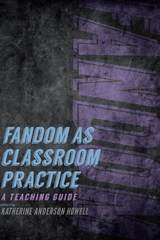
Providing ways to engage students through their popular culture interests, this collection brings together several essays, across disciplines, to show how fan practices such as writing fan fiction, creating vids, communicating via Tumblr, and participating in film tourism can invite students to invest more of themselves into their education.
Both scholarship and fandom encourage passionate engagement with texts—rather than passive consumption in isolation— and editor Katherine Anderson Howell and her contributors find that when students are encouraged to partake in a remix classroom that encourages their fan interests, they participate more in their education, are more critical of experts and authorities, and actively shape the discourse themselves. Creating this remix classroom requires thoughtfulness on the instructor’s part, and so the chapters in this volume come from teachers who have carefully constructed such courses, including several invaluable appendices that provide examples of methodologies, course assignments, teaching practices, and classroom setup. Each chapter also includes student responses that offer a sense of what students gained from each course.
The result is an exciting and entertaining new way to motivate students and teachers alike, and it is sure to be a popular reference guide for instructors teaching classes from high school to graduate levels.
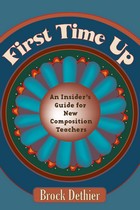
"First time up?"—an insider’s friendly question from 1960s counter-culture—perfectly captures the spirit of this book. A short, supportive, practical guide for the first-time college composition instructor, the book is upbeat, wise but friendly, casual but knowledgeable (like the voice that may have introduced you to certain other firsts). With an experiential focus rather than a theoretical one, First Time Up will be a strong addition to the newcomer’s professional library, and a great candidate for the TA practicum reading list.
Dethier, author of The Composition Instructor’s Survival Guide and From Dylan to Donne, directly addresses the common headaches, nightmares, and epiphanies of composition teaching—especially the ones that face the new teacher. And since legions of new college composition teachers are either graduate instructors (TAs) or adjuncts without a formal background in composition studies, he assumes these folks as his primary audience.
Dethier’s voice is casual, but it conveys concern, humor, experience, and reassurance to the first-timer. He addresses all major areas that graduate instructors or new adjuncts in a writing program are sure to face, from career anxiety to thoughts on grading and keeping good classroom records. Dethier’s own eclecticism is well-represented here, but he reviews with considerable deftness the value of contemporary scholarship to first-time writing instructors—many of whom will be impatient with high theory. Throughout the work, he affirms a humane, confident approach to teaching, along with a true affection for college students and for teachers just learning to deal with them.
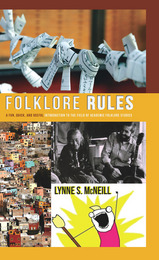
- What Is Folklore?
- What Do Folklorists Do
- Types of Folklore
- Types of Folk Groups;
- What Do I Do Now?
These chapters guide students toward a working understanding of the field, learn basic terms and techniques, and learn to perceive the knowledge base and discourse frame for materials used in folklore courses. Folklore Rules has become a classic text, serving instructors and students for a variety of courses, including introductory folklore and comparative studies as well as literature, anthropology, and composition classes that include a folklore component.

READERS
Browse our collection.
PUBLISHERS
See BiblioVault's publisher services.
STUDENT SERVICES
Files for college accessibility offices.
RECENTLY PUBLISHED



UChicago Accessibility Resources
home | accessibility | search | about | contact us
BiblioVault ® 2001 - 2025
The University of Chicago Press