
 A SCHOLARLY BOOK REPOSITORY
6 start with H start with H
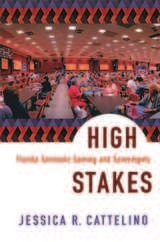
Cattelino presents a vivid ethnographic account of the history and consequences of Seminole gaming. Drawing on research conducted with tribal permission, she describes casino operations, chronicles the everyday life and history of the Seminole Tribe, and shares the insights of individual Seminoles. At the same time, she unravels the complex connections among cultural difference, economic power, and political rights. Through analyses of Seminole housing, museum and language programs, legal disputes, and everyday activities, she shows how Seminoles use gaming revenue to enact their sovereignty. They do so in part, she argues, through relations of interdependency with others. High Stakes compels rethinking of the conditions of indigeneity, the power of money, and the meaning of sovereignty.
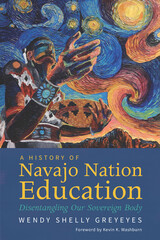
On the heels of the fiftieth anniversary of the founding of the Department of Diné Education, this important education history explains how the current Navajo educational system is a complex terrain of power relationships, competing agendas, and jurisdictional battles influenced by colonial pressures and tribal resistance. An iron grip of colonial domination over Navajo education remains, thus inhibiting a unified path toward educational sovereignty. In providing the historical roots to today’s challenges, Wendy Shelly Greyeyes clears the path and provides a go-to reference to move discussions forward.
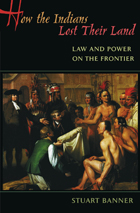
Between the early seventeenth century and the early twentieth,nearly all the land in the United States was transferred from AmericanIndians to whites. This dramatic transformation has been understood in two very different ways--as a series of consensual transactions, but also as a process of violent conquest. Both views cannot be correct. How did Indians actually lose their land?
Stuart Banner provides the first comprehensive answer. He argues that neither simple coercion nor simple consent reflects the complicated legal history of land transfers. Instead, time, place, and the balance of power between Indians and settlers decided the outcome of land struggles. As whites' power grew, they were able to establish the legal institutions and the rules by which land transactions would be made and enforced.
This story of America's colonization remains a story of power, but a more complex kind of power than historians have acknowledged. It is a story in which military force was less important than the power to shape the legal framework within which land would be owned. As a result, white Americans--from eastern cities to the western frontiers--could believe they were buying land from the Indians the same way they bought land from one another. How the Indians Lost Their Land dramatically reveals how subtle changes in the law can determine the fate of a nation, and our understanding of the past.
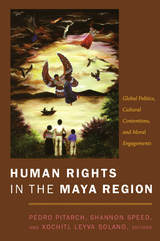
The collection includes a reflection on the effects of truth-finding and documenting particular human rights abuses, a look at how Catholic social teaching validates the human rights claims advanced by indigenous members of a diocese in Chiapas, and several analyses of the limitations of human rights frameworks. A Mayan intellectual seeks to bring Mayan culture into dialogue with western feminist notions of women’s rights, while another contributor critiques the translation of the United Nations Declaration of Human Rights into Tzeltal, an indigenous language in Chiapas. Taken together, the essays reveal a broad array of rights-related practices and interpretations among the Mayan population, demonstrating that global-local-state interactions are complex and diverse even within a geographically limited area. So too are the goals of indigenous groups, which vary from social reconstruction and healing following years of violence to the creation of an indigenous autonomy that challenges the tenets of neoliberalism.
Contributors: Robert M. Carmack, Stener Ekern, Christine Kovic, Xochitl Leyva Solano, Julián López García, Irma Otzoy, Pedro Pitarch, Álvaro Reyes, Victoria Sanford, Rachel Sieder, Shannon Speed, Rodolfo Stavenhagen, David Stoll, Richard Ashby Wilson
READERS
Browse our collection.
PUBLISHERS
See BiblioVault's publisher services.
STUDENT SERVICES
Files for college accessibility offices.
RECENTLY PUBLISHED


UChicago Accessibility Resources
home | accessibility | search | about | contact us
BiblioVault ® 2001 - 2025
The University of Chicago Press