
 A SCHOLARLY BOOK REPOSITORY
130 start with N start with N
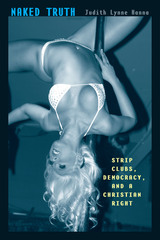
Across America, strip clubs have come under attack by a politically aggressive segment of the Christian Right. Using plausible-sounding but factually untrue arguments about the harmful effects of strip clubs on their communities, the Christian Right has stoked public outrage and incited local and state governments to impose onerous restrictions on the clubs with the intent of dismantling the exotic dance industry. But an even larger agenda is at work, according to Judith Lynne Hanna. In Naked Truth, she builds a convincing case that the attack on exotic dance is part of the activist Christian Right’s “grand design” to supplant constitutional democracy in America with a Bible-based theocracy.
Hanna takes readers onstage, backstage, and into the community and courts to reveal the conflicts, charges, and realities that are playing out at the intersection of erotic fantasy, religion, politics, and law. She explains why exotic dance is a legitimate form of artistic communication and debunks the many myths and untruths that the Christian Right uses to fight strip clubs. Hanna also demonstrates that while the fight happens at the local level, it is part of a national campaign to regulate sexuality and punish those who do not adhere to Scripture-based moral values. Ultimately, she argues, the naked truth is that the separation of church and state is under siege and our civil liberties—free speech, women’s rights, and free enterprise—are at stake.

Extraordinary visions of material abundance, unprecedented materials, and powerful engineering capabilities have marked the arrival of nanotechnology, as well as dystopian scenarios of self-replicating devices running amok and causing global catastrophe. Largely a future possibility rather than present actuality, nanotechnology has become a potent cultural signifier.
NanoCulture explores the ways in which nanotechnology interacts with, and itself becomes, a cultural construction. Topics include the co-construction of nanoscience and science fiction; the influence of risk assessment and nanotechnology on the shapes of narratives; intersections between nanoscience as a writing practice and experimental literature at the limits of fabrication; the Alice-in-Wonderland metaphor for nanotechnology; and the effects of mediation on nanotechnology and electronic literature.
NanoCulture is produced in collaboration with the nano art exhibit at the Los Angeles County Museum of Art (December 2003-September 2004), created by an interdisciplinary team led by media artist Victoria Vesna and nanoscientist James Gimzewski. NanoCulture is richly illustrated with images from the nano exhibit, which also provides the basis for an ethnographic analysis of collaborative process and an exploration of changing concepts of museum space.
The dynamic uniting these diverse perspectives is boundary crossing: between art, science, and literature; cultural imaginaries, scientific facts, and technological possibilities; actual. virtual, and hybrid spaces; the science of fictions and the fictions of science; and utopian dreams, material constraints, and dystopian nightmares.
The first book-length study focus on cultural implications of nanotechnology, NanoCulture breaks new ground in showing the importance of the new technoscience to contemporary culture and of culture to the development, interpretation, and future of this technoscience.
“…a groundbreaking book that will…engage, inform, and connect with present and future teachers and teacher educators.”
---Stephanie Vandrick, Foreword to Narrating Their Lives
The field of TESOL has called attention to the ways that the issues of race and ethnicity, language status and power, and cultural background affect second language learners’ identities and, to some degree, those of teachers. In Narrating Their Lives, Kamhi-Stein examines the process of identity construction of classroom teachers so as to make connections between their personal and professional identities and their instructional practices. To do that, she has selected six autobiographical narratives from teachers who were once part of her TESL 570 (Educational Sociolinguistics) class in the MA TESOL program at California State University, Los Angeles. These six narratives cover a surprisingly wide range of identity issues but also touch on broader instructional themes that are part of teacher education programs.
Because of the reflective nature of the narratives—with the teachers using their stories to better understand how their experiences shape what they do in the classroom—this volume includes provocative chapter-opening and reflective chapter-closing questions. An informative discussion of the autobiographical narrative assignment and the TESL 570 course (including supplemental course readings and assessment criteria) is also included.
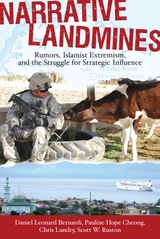
Islamic extremism is the dominant security concern of many contemporary governments, spanning the industrialized West to the developing world. Narrative Landmines explores how rumors fit into and extend narrative systems and ideologies, particularly in the context of terrorism, counter-terrorism, and extremist insurgencies. Its concern is to foster a more sophisticated understanding of how oral and digital cultures work alongside economic, diplomatic, and cultural factors that influence the struggles between states and non-state actors in the proverbial battle of hearts and minds. Beyond face-to-face communication, the authors also address the role of new and social media in the creation and spread of rumors.
As narrative forms, rumors are suitable to a wide range of political expression, from citizens, insurgents, and governments alike, and in places as distinct as Singapore, Iraq, and Indonesia—the case studies presented for analysis. The authors make a compelling argument for understanding rumors in these contexts as “narrative IEDs,” low-cost, low-tech weapons that can successfully counter such elaborate and expansive government initiatives as outreach campaigns or strategic communication efforts. While not exactly the same as the advanced technological systems or Improvised Explosive Devices to which they are metaphorically related, narrative IEDs nevertheless operate as weapons that can aid the extremist cause.
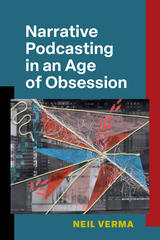
Narrative Podcasting in an Age of Obsession is the first book to look back on this prodigious body of material and attempt to make sense of it from a structural, historical, and analytic point of view. Focusing on more than 350 podcasts and other audio works released between Serial and the COVID pandemic, the book explores why so many of these podcasts seem “obsessed with obsession,” why they focus not only on informing listeners but also dramatizing the labor that goes into it, and why fiction podcasts work so hard to prove they are a brand new form, even as they revive features of radio from decades gone by. This work also examines the industry's reckoning with its own implication in systemic racism, misogyny, and other forms of discrimination. Employing innovative new critical techniques for close listening—including pitch tracking software and spectrograms—Narrative Podcasting in an Age of Obsession makes a major contribution to podcast studies and media studies more broadly.
For decades, we’ve been warned that video killed the radio star, and, more recently, that social media has replaced reading. Nerdfighteria, a first-of-its-kind online literary community with nearly three million members, challenges these assumptions. It is the brainchild of brothers Hank and John Green, who provide literary themed programming on their website and YouTube channel, including video clips from John, a best-selling author most famous for his young adult book, The Fault in Our Stars. These clips not only give fans personal insights into his works and the writing process writ large, they also provide unique access to the author, inspiring fans to create their own fan art and make connections with one another.
In the twenty-first century, reading and watching videos are related activities that allow people to engage with authors and other readers. Whether they turn to The Fault in Our Stars or titles by lesser-known authors, Nerdfighters are readers. Incorporating thousands of testimonials about what they read and why, Jennifer Burek Pierce not only sheds light on this particular online community, she also reveals what it tells us about the changing nature of reading in the digital age. In Nerdfighteria, we find a community who shows us that being online doesn’t mean disinterest in books.

Through its profiles of 39 immigrants from 38 countries in Asia, the Middle East, Africa, Europe, Latin America, and Australia, Nashville’s New Americans provides a case study from one of the fastest-growing cities in the country on the contributions immigrants are making to its culture and economy.

Beginning in the 1980s, scientists started traveling to northwest Alaska to research the lives of ringed seals, bringing Labrador retrievers who could sniff out seals and their snow cave homes (called lairs) on the sea ice. Decades later, scientists partnered with the Iñupiaq people of
Qikiktaġruk (Kotzebue) to learn more about ringed seals. They relied on a combination of Indigenous Knowledge and scientific techniques to capture and apply tags to understand the movements and behavior of ringed seals.
But the Arctic homes of ringed seals are changing, and the long history of ringed seal science in the Kotzebue Sound proved to be just the beginning of long and cooperative relationships melding science and Indigenous knowledge. During 2018 and 2019, with unprecedented sea ice conditions, Qikiktagrumiut Elders and scientists returned to the ice to measure changes in the habitat available for ringed seal pups in the region.

Nation and Migration provides a way to understand recent migration events in Europe that have attracted the world's attention. The emergence of the nations in the West promised homogenization, but instead the imagined national communities have everywhere become places of heterogeneity, and modern nation states have been haunted by the specter of minorities. This study analyses experiences relating to migration in 23 European countries. It is based on data from the International Social Survey Programme, a global cross-national collaborative exercise, with surveys made in 1995, 2003, and 2013. In the authors' view, a critical test for Europe will be its ability to find adequate responses to the challenges of globalization.
The book provides a detailed overview of how citizens in Europe are coping with a xenophobia fueled by their own sense of insecurity. The authors reconstruct the competing sociological reactions to migration in the forms of integration, assimilation and segregation. Hungary receives special attention: the data show that people living there are far less closed and xenophobic than they might seem through the prism of a media-instigated moral panic.
Bernal argues that Benedict Anderson’s famous concept of nations as “imagined communities” must now be rethought because diasporas and information technologies have transformed the ways nations are sustained and challenged. She traces the development of Eritrean diaspora websites over two turbulent decades that saw the Eritrean state grow ever more tyrannical. Through Eritreans’ own words in posts and debates, she reveals how new subjectivities are formed and political action is galvanized online. She suggests that “infopolitics”—struggles over the management of information—make politics in the 21st century distinct, and she analyzes the innovative ways Eritreans deploy the internet to support and subvert state power. Nation as Network is a unique and compelling work that advances our understanding of the political significance of digital media.
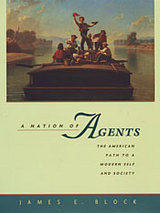
In this sweeping reinterpretation of American political culture, James Block offers a new perspective on the formation of the modern American self and society. Block roots both self and society in the concept of agency, rather than liberty, and dispenses with the national myth of the "sacred cause of liberty"--with the Declaration of Independence as its "American scripture." Instead, he recovers the early modern conception of agency as the true synthesis emerging from America's Protestant and liberal cultural foundations.
Block traces agency doctrine from its pre-Commonwealth English origins through its development into the American mainstream culture on the eve of the twentieth century. The concept of agency that prevailed in the colonies simultaneously released individuals from traditional constraints to participate actively and self-reliantly in social institutions, while confining them within a new set of commitments. Individual initiative was now firmly bounded by the modern values and ends of personal Protestant religiosity and collective liberal institutional authority. As Block shows, this complex relation of self to society lies at the root of the American character.
A Nation of Agents is a new reading of what the "first new nation" did and did not achieve. It will enable us to move beyond long-standing national myths and grasp both the American achievement and its legacy for modernity.
Ratna also examines two key cultural objects - the popular films "Bend it Like Beckham" and “Dhan Dhana Dhan Goal” - to examine in detail the gendered representation of South Asian soccer players’ engagement in amateur and elite levels of the sport. She critiques studies of women’s football fandom and sport that fail to acknowledge social differences relating to race, class, age, disability, and sexuality. By linking the social forces (across time and space) that differentially affect their sporting choices and leisure lifestyles, Ratna portrays the women of the South Asian diaspora as active agents in the shaping of their life courses and as skilled navigators of the complexities affecting their own identities. Ultimately Ratna examines the intersections of class, caste, age, generation, gender, and sexuality, to provide a rich and critical exploration of British Asian women's sport and leisure choices, pleasures, and lived realities.
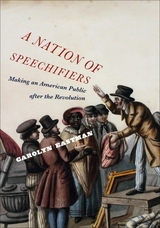
In the decades after the American Revolution, inhabitants of the United States began to shape a new national identity. Telling the story of this messy yet formative process, Carolyn Eastman argues that ordinary men and women gave meaning to American nationhood and national belonging by first learning to imagine themselves as members of a shared public.
She reveals that the creation of this American public—which only gradually developed nationalistic qualities—took place as men and women engaged with oratory and print media not only as readers and listeners but also as writers and speakers. Eastman paints vibrant portraits of the arenas where this engagement played out, from the schools that instructed children in elocution to the debating societies, newspapers, and presses through which different groups jostled to define themselves—sometimes against each other. Demonstrating the previously unrecognized extent to which nonelites participated in the formation of our ideas about politics, manners, and gender and race relations, A Nation of Speechifiers provides an unparalleled genealogy of early American identity.

Shimakawa looks at the origins of Asian American theater, particularly through the memories of some of its pioneers. Her examination of the emergence of Asian American theater companies illuminates their strategies for countering the stereotypes of Asian Americans and the lack of visibility of Asian American performers within the theater world. She shows how some plays—Wakako Yamauchi’s 12-1-A, Frank Chin’s Chickencoop Chinaman, and The Year of the Dragon—have both directly and indirectly addressed the displacement of Asian Americans. She analyzes works attempting to negate the process of abjection—such as the 1988 Broadway production of M. Butterfly as well as Miss Saigon, a mainstream production that enacted the process of cultural displacement both onstage and off. Finally, Shimakawa considers Asian Americanness in the context of globalization by meditating on the work of Ping Chong, particularly his East-West Quartet.

The “problem” of photography in Mexico, Tejada shows, reveals cross-cultural episodes that are rife with contradictions, especially in the complex terms of cultural and sexual difference. Analyzing such topics as territory, sexuality, and social and ethnic relations in image making, Tejada delves into the work of key figures including Manuel Alvarez Bravo, Edward Weston, Tina Modotti, Marius de Zayas, and Julien Levy, as well as the Agustín Víctor Casasola Archive, the Boystown photographs, and contemporary Mexican and Latina photo-based artists.
From the Mexican Revolution of 1910–1920 to the U.S.–Mexico borderlands of today, Tejada traces the connective thread that photography has provided between Mexican and U.S. American intellectual and cultural production and, in doing so, defines both nations.
In National Healing, author Claude Hurlbert persuasively relates nationalism to institutional racism and contends that these are both symptoms of a national ill health afflicting American higher education and found even in the field of writing studies. Teachers and scholars, even in progressive fields like composition, are unwittingly at odds with their own most liberatory purposes, he says, and he advocates consciously broadening our understanding of rhetoric and writing instruction to include rhetorical traditions of non-Western cultures.
Threading a personal narrative of his own experiences as a student, professor, and citizen through a wide ranging discussion of theory, pedagogy, and philosophy in the writing classroom, Hurlbert weaves a vision that moves beyond simple polemic and simplistic multiculturalism. National Healing offers a compelling new aesthetic, epistemological, and rhetorical configuration.
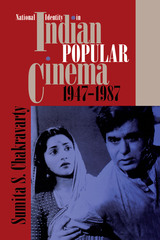
Although Indian popular cinema has a long history and is familiar to audiences around the world, it has rarely been systematically studied. This book offers the first detailed account of the popular film as it has grown and changed during the tumultuous decades of Indian nationhood. The study focuses on the cinema’s characteristic forms, its range of meanings and pleasures, and, above all, its ideological construction of Indian national identity.
Informed by theoretical developments in film theory, cultural studies, postcolonial discourse, and “Third World” cinema, the book identifies the major genres and movements within Bombay cinema since Independence and uses them to enter larger cultural debates about questions of identity, authenticity, citizenship, and collectivity. Chakravarty examines numerous films of the period, including Guide (Vijay Anand, 1965), Shri 420 [The gentleman cheat] (Raj Kapoor, 1955), and Bhumika [The role] (Shyam Benegal, 1977). She shows how “imperso-nation,” played out in masquerade and disguise, has characterized the representation of national identity in popular films, so that concerns and conflicts over class, communal, and regional differences are obsessively evoked, explored, and neutralized.
These findings will be of interest to film and area specialists, as well as general readers in film studies.

These studies take up such active issues as "insiderness" in Cherokee language ideologies, contradictions of space-time for the Northern Arapaho, language socialization and Paiute identity, and orthography choices and language renewal among the Kiowa. The authors--including members of indigenous speech communities who participate in language renewal efforts--discuss not only Native Americans' conscious language ideologies but also the often-revealing relationship between these beliefs and other more implicit realizations of language use as embedded in community practice.
The chapters discuss the impact of contemporary language issues related to grammar, language use, the relation between language and social identity, and emergent language ideologies themselves in Native American speech communities. And although they portray obvious variation in attitudes toward language across communities, they also reveal commonalities--notably the emergent ideological process of iconization between a language and various national, ethnic, and tribal identities.
As fewer Native Americans continue to speak their own language, this timely volume provides valuable grounded studies of language ideologies in action--those indigenous to Native communities as well as those imposed by outside institutions or language researchers. It considers the emergent interaction of indigenous and imported ideologies and the resulting effect on language beliefs, practices, and struggles in today's Indian Country as it demonstrates the practical implications of recognizing a multiplicity of indigenous language ideologies and their impact on heritage language maintenance and renewal.
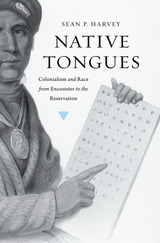
Sean Harvey explores the morally entangled territory of language and race in this intellectual history of encounters between whites and Native Americans in the eighteenth and nineteenth centuries. Misunderstandings about the differences between European and indigenous American languages strongly influenced whites’ beliefs about the descent and capabilities of Native Americans, he shows. These beliefs would play an important role in the subjugation of Native peoples as the United States pursued its “manifest destiny” of westward expansion.
Over time, the attempts of whites to communicate with Indians gave rise to theories linking language and race. Scholars maintained that language was a key marker of racial ancestry, inspiring conjectures about the structure of Native American vocal organs and the grammatical organization and inheritability of their languages. A racially inflected discourse of “savage languages” entered the American mainstream and shaped attitudes toward Native Americans, fatefully so when it came to questions of Indian sovereignty and justifications of their forcible removal and confinement to reservations.
By the mid-nineteenth century, scientific efforts were under way to record the sounds and translate the concepts of Native American languages and to classify them into families. New discoveries by ethnologists and philologists revealed a degree of cultural divergence among speakers of related languages that was incompatible with prevailing notions of race. It became clear that language and race were not essentially connected. Yet theories of a linguistically shaped “Indian mind” continued to inform the U.S. government’s efforts to extinguish Native languages for years to come.
Focusing on the Cold War years, thismonograph examines the processes, problems, and policies through which the Federal Republic of Germany was formed and admitted into the North Atlantic Treaty Organization (NATO). The author compares the situation of Weimar Germany during its short-lived postwar decade with that of the Federal Republic by applying geopolitical concepts and theory, illustrating Germany’s territorial uniqueness and how that special aspect of its place on the European continent in?uenced the nation’s diplomacy in both eras.
During the late 1940s and the 1950s, the problem presented by Germany to the other NATO allies was how to secure and maintain the Federal Republic’s allegiance to the anticommunist alliance without eliminating the country’s desire to be reunited with its Soviet-dominated eastern section. How both NATO and Germany managed to maintain themselves in a state of dynamic equilibrium throughout the era of the Cold War illustrates the concept of international organization called “cooptation,” which Lyman helped to de?ne and expand.
The epilogue explores the larger issues that the case study illuminates: global space, national territorialization, collective identity, and ethnocentrism. Considering the current con?ict in the Balkans as it relates to the new Germany and the role of NATO, this far-reaching book is especially relevant with its suggestions for a basic supranational sociology.

A Wall Street Journal Favorite Read of the Year
A Guardian Top Science Book of the Year
Tool-making or culture, language or religious belief: ever since Darwin, thinkers have struggled to identify what fundamentally differentiates human beings from other animals. In this much-anticipated book, Michael Tomasello weaves his twenty years of comparative studies of humans and great apes into a compelling argument that cooperative social interaction is the key to our cognitive uniqueness. Once our ancestors learned to put their heads together with others to pursue shared goals, humankind was on an evolutionary path all its own.
“Michael Tomasello is one of the few psychologists to have conducted intensive research on both human children and chimpanzees, and A Natural History of Human Thinking reflects not only the insights enabled by such cross-species comparisons but also the wisdom of a researcher who appreciates the need for asking questions whose answers generate biological insight. His book helps us to understand the differences, as well as the similarities, between human brains and other brains.”
—David P. Barash, Wall Street Journal

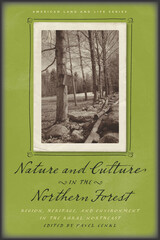
Nearly 30 million acres of the Northern Forest stretch across New York, Vermont, New Hampshire, and Maine. Within this broad area live roughly a million residents whose lives are intimately associated with the forest ecosystem and whose individual stories are closely linked to the region’s cultural and environmental history. The fourteen engaging essays in Nature and Culture in the Northern Forest effectively explore the relationships among place, work, and community in this complex landscape. Together they serve as a stimulating introduction to the interdisciplinary study of this unique region.
Each of the four sections views through a different lens the interconnections between place and people. The essayists in “Encounters” have their hiking boots on as they focus on personal encounters with flora and fauna of the region. The energizing accounts in “Teaching and Learning” question our assumptions about education and scholarship by proposing invigorating collaborations between teachers and students in ways determined by the land itself, not by the abstractions of pedagogy. With the freshness of Thoreau’s irreverence, the authors in “Rethinking Place” look at key figures in the forest’s literary and cultural development to help us think about the affiliations between place and citizenship. In “Nature as Commodity,” three essayists consider the ways that writers from the nineteenth and early twentieth centuries thought about nature as a product and, thus, how their conclusions bear on the contemporary retailing of place.
The writers in Nature and Culture in the Northern Forest reveal the rich affinities between a specific place and the literature, thought, and other cultural expressions it has nurtured. Their insightful and stimulating connections exemplify adventurous bioregional thinking that encompasses both natural and cultural realities while staying rooted in the particular landscape of some of the Northeast’s wildest forests and oldest settlements.
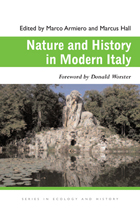
Is Italy il bel paese—the beautiful country—where tourists spend their vacations looking for art, history, and scenery? Or is it a land whose beauty has been cursed by humanity’s greed and nature’s cruelty? The answer is largely a matter of narrative and the narrator’s vision of Italy. The fifteen essays in Nature and History in Modern Italy investigate that nation’s long experience in managing domesxadtixadcated rather than wild natures and offer insight into these conflicting visions. Italians shaped their land in the most literal sense, producing the landscape, sculpting its heritage, embedding memory in nature, and rendering the two different visions inseparxadable. The interplay of Italy’s rich human history and its dramatic natural diversity is a subject with broad appeal to a wide range of readers.
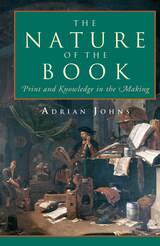
"A compelling exposition of how authors, printers, booksellers and readers competed for power over the printed page. . . . The richness of Mr. Johns's book lies in the splendid detail he has collected to describe the world of books in the first two centuries after the printing press arrived in England."—Alberto Manguel, Washington Times
"[A] mammoth and stimulating account of the place of print in the history of knowledge. . . . Johns has written a tremendously learned primer."—D. Graham Burnett, New Republic
"A detailed, engrossing, and genuinely eye-opening account of the formative stages of the print culture. . . . This is scholarship at its best."—Merle Rubin, Christian Science Monitor
"The most lucid and persuasive account of the new kind of knowledge produced by print. . . . A work to rank alongside McLuhan."—John Sutherland, The Independent
"Entertainingly written. . . . The most comprehensive account available . . . well documented and engaging."—Ian Maclean, Times Literary Supplement
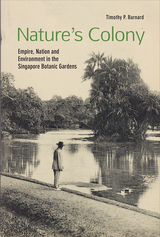
Initially conceived to exploit nature for the benefit of empire, the Gardens were part of a symbolic struggle by administrators, scientists, and gardeners to assert dominance within Southeast Asia’s tropical landscape, reflecting shifting understandings of power, science, and nature among local administrators and distant mentors in Britain. Consequently, as an outpost of imperial science, the Gardens were instrumental in the development of plantation crops, such as rubber and oil palm, which went on to shape landscapes across the globe. Since the independence of Singapore, the Gardens have played a role in the “greening” of the country and have been named as Singapore’s first World Heritage Site. Setting the Gardens alongside the Royal Botanic Gardens, Kew, and botanic gardens in India, Ceylon, Mauritius, and the West Indies, Nature’s Colony provide the first in-depth look at the history of this influential institution.
To answer that question, the authors turn to a category of maps with a particularly strong reputation for objectivity: maps of nature. From depictions of species habitats and bird migrations to portrayals of the wilds of the Grand Canyon and the reaches of the Milky Way, such maps are usually presumed—even by users who should know better—to be strictly scientific. Yet by drawing our attention to every aspect of these maps’ self-presentation, from place names to titles and legends, the authors reveal the way that each piece of information collaborates in a disguised effort to mount an argument about reality. Without our realizing it, those arguments can then come to define our very relationship to the natural world—determining whether we see ourselves as humble hikers or rampaging despoilers, participants or observers, consumers or stewards.
Richly illustrated, and crafted in vivid and witty prose, The Natures of Maps will enlighten and entertain map aficionados, scholars, and armchair navigators alike. You’ll never be able to look at Google Maps quite the same way again.

Duke University Press Scholars of Color First Book Award recipient

- a succinct overview of how to define and understand trauma, including its definition, causes, effects, and manifestations;
- evidence-informed approaches drawn from the fields of social work, psychology, and counseling;
- dozens of activities, handouts, and worksheets designed to spur reflection and help readers build upon the practices introduced in the book;
- guidance on debriefing, evaluation, facing compassion fatigue, and other aftercare topics; and
- appendices that provide information on mental health resources, crisis intervention hotlines, and further reading on trauma and burnout.
Navigating Gendered Terrain addresses how gender is used to shape how campaigns are waged by influencing insider perceptions of and decisions about effective campaign messages, images, and tactics within party and political contexts. Dittmar uses survey information and interviews with candidates, political consultants, and other campaign professionals to reveal how gender-informed advertising, websites, and overall presentation to voters respond to stereotypes and perceptions of female and male candidates.
She closes her book by offering a feminist interpretation of women as candidates and explaining how the unintended outcomes of political campaigns reinforce prevailing ideas about gender and candidacy.

Combining critical race studies with cultural production studies, Navigating White News: Asian American Journalists at Work is the only academic book to examine the ways that racial identification and activation matters in their understanding of news. This adds to the existing literature on race and the sociology of news by examining intra-racial differences in the ways they navigate and understand White newsrooms. Employing in-depth interviews with twenty Asian American journalists who are actively working in large and small newsrooms across the United States, Navigating White News: Asian American Journalists at Work argues that Asian American reporters for whom racial identities are important questioned what counted as news, questioned the implicitly White perspective of objectivity, and actively worked toward providing more complex, substantive coverage of Asian American communities. For Asian American reporters for whom racial identity was not meaningful, they were more invested in existing professional norms. Regardless, all journalists understood that news is a predominantly and culturally White institution.

In 1926, the new NBC networks established an advisory board of prominent citizens to help it make program decisions as well as to deflect concerns over NBC’s dominance over radio. The council, which advised NBC on program development—especially cultural broadcasts and those aimed at rural audiences—influenced not only NBC’s policies but also decisions other radio organizations made, decisions that resonate in today’s electronic media
The council’s rulings had wide-ranging impact on society and the radio industry, addressing such issues as radio’s operation in the public interest; access of religious groups to the airwaves; personal attacks on individuals, especially the clergy; and coverage of controversial issues of public importance. Principles adopted in these decrees kept undesirable shows off the air, and other networks, stations, and professional broadcast groups used the council’s decisions in establishing their own organizational guidelines.
Benjamin documents how these decrees had influence well after the council’s demise. Beginning in the early 1930s, the council denied use of NBC to birth control advocates. This refusal revealed a pointed clash between traditional and modernistic elements in American society and laid down principles for broadcasting controversial issues. This policy resonated throughout the next five decades with the implementation of the Fairness Doctrine.
The NBC Advisory Council and Radio Programming, 1926–1945 offers the first in-depth examination of the council, which reflected and shaped American society during the interwar period. Author Louise M. Benjamin tracks the council from its inception until it was quietly disbanded in 1945, insightfully critiquing the council’s influence on broadcast policies, analyzing early attempts at using the medium of radio to achieve political goals, and illustrating the council’s role in the development of program genres, including news, sitcoms, crime drama, soap operas, quiz shows, and variety programs.


Contributors. George Blake, David Borgo, Judith Butler, Rebecca Caines, Louise Campbell, Illa Carrillo Rodríguez, Berenice Corti, Andrew Raffo Dewar, Nina Eidsheim, Tomie Hahn, Jaclyn Heyen, Christine Sun Kim, Catherine Lee, Andra McCartney, Tracy McMullen, Kevin McNeilly, Leaf Miller, Jovana Milovic, François Mouillot, Pauline Oliveros, Jason Robinson, Neil Rolnick, Simon Rose, Gillian Siddall, Julie Dawn Smith, Jesse Stewart, Clara Tomaz, Sherrie Tucker, Lindsay Vogt, Zachary Wallmark, Ellen Waterman, David Whalen, Pete Williams, Deborah Wong, Mandy-Suzanne Wong
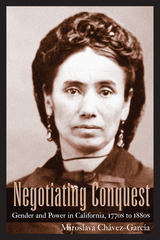
Negotiating Conquest begins with an examination of how gender and ethnicity shaped the policies and practices of the Spanish conquest, showing that Hispanic women, marriage, and the family played a central role in producing a stable society on Mexico’s northernmost frontier. It then examines how gender, law, property, and ethnicity shaped social and class relations among Mexicans and native peoples, focusing particularly on how women dealt with the gender-, class-, and ethnic-based hierarchies that gave Mexican men patriarchal authority. With the American takeover in 1846, the text’s focus shifts to how the imposition of foreign legal, economic, linguistic, and cultural norms affected the status of Mexican women, male-female relations, and the family. Addressing such issues as divorce, legitimacy, and inheritance, it describes the manner in which the conquest weakened the economic position of both Mexican women and men while at the same time increasing the leverage of Mexican women in their personal and social relationships with men.
Drawing on archival materials—including dozens of legal cases—that have been largely ignored by other scholars, Chávez-García examines federal, state, and municipal laws across many periods in order to reveal how women used changing laws, institutions, and norms governing property, marriage and sexuality, and family relations to assert and protect their rights. By showing that mexicanas contested the limits of male rule and insisted that patriarchal relationships be based on reciprocity, Negotiating Conquest expands our knowledge of how patriarchy functioned and evolved as it reveals the ways in which conquest can transform social relationships in both family and community.

As embedded anthropologists, Saethre and Stadler provide a unique and nuanced perspective of the reality of a clinical trial that is often hidden from view.
Despite our keen eye for discerning historical spin doctors operating today, it has been only in recent years that archaeologists have begun exploring in detail how the past was used in the past itself. This volume of ten original works brings critical insight to this frequently overlooked dimension of earlier societies. Drawing on the concepts of identity, memory, and landscape, the contributors show how these points of entry can lead to substantially new accounts of how people understood their lives and why things changed as they did.
Chapters include the archaeologies of the eastern Mediterranean, including Mesopotamia, Iran, Greece, and Rome; prehistoric Greece; Achaemenid and Hellenistic Armenia; Athens in the Roman period; Nubia and Egypt; medieval South India; and northern Maya Quintana Roo. The contributors show how and why, in each society, certain versions of the past were promoted while others were aggressively forgotten for the purpose of promoting innovation, gaining political advantage, or creating a new group identity.
Commentaries by leading scholars Lynn Meskell and Jack Davis blend with newer voices to create a unique set of essays that is diverse but interrelated, exceptionally researched, and novel in its perspectives.
CONTENTS
1. Peering into the Palimpsest: An Introduction to the Volume
Norman Yoffee
2. Collecting, Defacing, Reinscribing (and Otherwise Performing) Memory in the Ancient World
Catherine Lyon Crawford
3. Unforgettable Landscapes: Attachments to the Past in Hellenistic Armenia
Lori Khatchadourian
4. Mortuary Studies, Memory, and the Mycenaean Polity
Seth Button
5. Identity under Construction in Roman Athens
Sanjaya Thakur
6. Inscribing the Napatan Landscape: Architecture and Royal Identity
Lindsay Ambridge
7. Negotiated Pasts and the Memorialized Present in Ancient India: Chalukyas of Vatapi
Hemanth Kadambi
8. Creating, Transforming, Rejecting, and Reinterpreting Ancient Maya Urban Landscapes: Insights from Lagartera and Margarita
Laura P. Villamil
9. Back to the Future: From the Past in the Present to the Past in the Past
Lynn Meskell
10. Memory Groups and the State: Erasing the Past and Inscribing the Present in the Landscapes of the Mediterranean and Near East
Jack L. Davis
About the Editor
About the Contributors
Index

Mirko Pasquini shows that there is more than medical urgency at stake in the ER, where mistrust of medical authority is fueled and violence often sparks. He analyzes the making of urgency, that is triage, not as a neutral medical way of sorting, but as a practice that actively creates difference through economies of attention. The Negotiation of Urgency illustrates both the limits of triage, and how those limits can spark improvisation and creative reinvention.
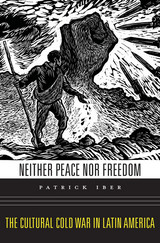
During the Cold War, left-wing Latin American artists, writers, and scholars worked as diplomats, advised rulers, opposed dictators, and even led nations. Their competing visions of social democracy and their pursuit of justice, peace, and freedom led them to organizations sponsored by the governments of the Cold War powers: the Soviet-backed World Peace Council, the U.S.-supported Congress for Cultural Freedom, and, after the 1959 Cuban Revolution, the homegrown Casa de las Américas.
Neither Peace nor Freedom delves into the entwined histories of these organizations and the aspirations and dilemmas of intellectuals who participated in them, from Diego Rivera and Pablo Neruda to Gabriel García Márquez and Jorge Luis Borges. Patrick Iber corrects the view that such individuals were merely pawns of the competing superpowers. Movements for democracy and social justice sprung up among pro-Communist and anti-Communist factions, and Casa de las Américas promoted a brand of revolutionary nationalism that was beholden to neither the Soviet Union nor the United States.
But ultimately, intellectuals from Latin America could not break free from the Cold War’s rigid binaries. With the Soviet Union demanding fealty from Latin American communists, the United States zealously supporting their repression, and Fidel Castro pushing for regional armed revolution, advocates of social democracy found little room to promote their ideals without compromising them. Cold War politics had offered utopian dreams, but intellectuals could get neither the peace nor the freedom they sought.
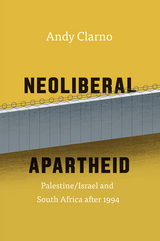
After a decade of research in the Johannesburg and Jerusalem regions, Andy Clarno presents here a detailed ethnographic study of the precariousness of the poor in Alexandra township, the dynamics of colonization and enclosure in Bethlehem, the growth of fortress suburbs and private security in Johannesburg, and the regime of security coordination between the Israeli military and the Palestinian Authority in the West Bank. The first comparative study of the changes in these two areas since the early 1990s, the book addresses the limitations of liberation in South Africa, highlights the impact of neoliberal restructuring in Palestine, and argues that a new form of neoliberal apartheid has emerged in both contexts.
Why are people getting fatter in the United States and beyond? Mainstream explanations argue that people simply eat too much “energy-dense” food while exercising too little. By swapping the chips and sodas for fruits and vegetables and exercising more, the problem would be solved. By contrast, The Neoliberal Diet argues that increased obesity does not result merely from individual food and lifestyle choices. Since the 1980s, the neoliberal turn in policy and practice has promoted trade liberalization and retrenchment of the welfare regime, along with continued agricultural subsidies in rich countries. Neoliberal regulation has enabled agribusiness multinationals to thrive by selling highly processed foods loaded with refined flour and sugars—a diet that originated in the United States—as well as meat. Drawing on extensive empirical data, Gerardo Otero identifies the socioeconomic and political forces that created this diet, which has been exported around the globe, often at the expense of people’s health.
Otero shows how state-level actions, particularly subsidies for big farms and agribusiness, have ensured the dominance of processed foods and made healthful fresh foods inaccessible to many. Comparing agrifood performance across several nations, including the NAFTA region, and correlating food access to class inequality, he convincingly demonstrates the structural character of food production and the effect of inequality on individual food choices. Resolving the global obesity crisis, Otero concludes, lies not in blaming individuals but in creating state-level programs to reduce inequality and make healthier food accessible to all.

Contributors. Cristina Albu, Amanda Boetzkes, Brianne Cohen, Kris Cohen, Jaimey Hamilton Faris, Christine Filippone, Johanna Gosse, Francis Halsall, Judith Rodenbeck, Dawna Schuld, Luke Skrebowski, Timothy Stott, John Tyson
In Loreto, Baja California Sur, Mexico, artisanal fishing families and staff of Loreto Bay National Park face an array of choices as tourism, environmental concerns, and economic precarity challenge livelihoods and natural resource availability. In Net Values, Nicole D. Peterson offers a critical examination of how the idea of “choice” is understood, and what it means for policies, planning, and programs to ignore the social, political, economic, and cultural contexts surrounding these choices.
Anchored by more than twenty years of research, Peterson provides insight into the fishing community of Loreto and reveals an important role in decision-making that diverges from previous studies. She argues that decisions about fishing, natural resource management, and other aspects of life are influenced by context, values, and expectations in ways that go beyond the typical psychological or cognitive theories of choice. Instead, Net Values highlights the ways that choices are constrained and enabled by values and expectations of cultures, histories, relationships, and experiences, both personal and shared. Peterson answers questions such as “why do the fishermen fish?” or “what is the marine park staff doing?” These decisions and choices are related to the larger implication addressed by this book: that in order to make effective policies around natural resource management and other issues, we must understand how those potential policies interact with the decision processes already underway.
Divided into five chapters, Net Values is rich in ethnographic detail, drawing from real people to inform the narratives, chapters, and theoretical elaboration. Peterson’s interactions with fishers such as Don Javier and his family and friends support the ideas offered around choice, values, and strategies, connecting ideas to real experiences.

Outlines an exciting new approach to this confluence of art, media, and poetry.
The experimental art and poetry of the last half of the twentieth century offers a glimpse of the emerging networked culture that electronic devices will make omnipresent. Craig J. Saper demarcates this new genre of networked art, which uses the trappings of bureaucratic systems—money, logos, corporate names, stamps—to create intimate situations among the participants.
In Saper’s analysis, the pleasures that these aesthetic situations afford include shared special knowledge or new language among small groups of participants. Functioning as artworks in themselves, these temporary institutional structures—networks, publications, and collective works—give rise to a gift-exchange community as an alternative economy and social system. Saper explains how this genre developed from post-World War II conceptual art, including periodicals as artworks in themselves; lettrist, concrete, and process poetry; Bauhaus versus COBRA; Fluxus publications, kits, and machines; mail art and on-sendings. The encyclopedic scope of the book includes discussions of artists from J. Beuys to J. S. G. Boggs, and Bauhaus’s Max Bill to Anna Freud Banana. Networked Art is an essential guide to the digital artists and networks of the emerging future.
Winner of the 2025 MLA Scaglione Prize for African Studies
Simultaneously transnational and local, poetry in the twenty-first century is produced across digital networks, shaped through local communities, and evaluated on a global scale. It might start on social media, where a video of a poet circulates and goes viral, gaining international attention without ever going through traditional modes of publication. In Networked Poetics, Susanna L. Sacks introduces readers to the southern African poetry scene in Malawi, Zimbabwe, and South Africa, illustrating how contemporary poetry is shaped, from inception to canonization, by the influence of digital media publication.
Interweaving ethnographic observation and extensive literary analysis, Sacks demonstrates that, as more artists in Africa reach wider audiences through online publication, poetic form has shifted to reflect social media’s aesthetic norms of urgency, immediacy, and populism. These changes have, in turn, challenged elite processes of valuation, forcing literary institutions like prizes, festivals, and curricula to accommodate the digital turn.
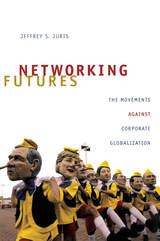
In an account full of activist voices and on-the-ground detail, Juris provides a history of anti–corporate globalization movements, an examination of their connections to local dynamics in Barcelona, and an analysis of movement-related politics, organizational forms, and decision-making. Depicting spectacular direct action protests in Barcelona and other cities, he describes how far-flung activist networks are embodied and how networking politics are performed. He further explores how activists have used e-mail lists, Web pages, and free software to organize actions, share information, coordinate at a distance, and stage “electronic civil disobedience.” Based on a powerful cultural logic, anti–corporate globalization networks have become models of and for emerging forms of radical, directly democratic politics. Activists are not only responding to growing poverty, inequality, and environmental devastation; they are also building social laboratories for the production of alternative values, discourses, and practices.
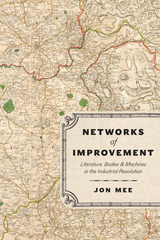
Working against the stubbornly persistent image of “dark satanic mills,” in many ways so characteristic of literary Romanticism, Jon Mee provides a fresh, revisionary account of the Industrial Revolution as a story of unintended consequences. In Networks of Improvement, Mee reads a wide range of texts—economic, medical, and more conventionally “literary”—with a focus on their circulation through networks and institutions. Mee shows how a project of enlightened liberal reform articulated in Britain’s emerging manufacturing towns led to unexpectedly coercive forms of machine productivity, a pattern that might be seen repeating in the digital technologies of our own time. Instead of treating the Industrial Revolution as Romanticism’s “other,” Mee shows how writing, practices, and institutions emanating from these industrial towns developed a new kind of knowledge economy, one where local literary and philosophical societies served as important transmission hubs for the circulation of knowledge.
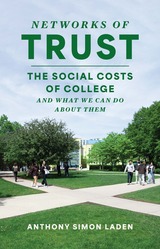
Higher education is a familiar battlefield in today’s culture wars. The right accuses colleges and universities of indoctrinating conservative students with liberal values; the left, with failing to be sufficiently inclusive. The anxieties expressed on both sides of the political spectrum have much in common, however, and they are triggered not by colleges’ failures but by their successes.
So argues philosopher Anthony Simon Laden in Networks of Trust. He highlights how a college education shapes students’ informational trust networks: the complex set of people and institutions they rely on for the information they use to think about and understand the world. While the networks that colleges build for students have great value, learning to inhabit them pulls some students away from their families and communities. If many people distrust institutions of higher education, this is one reason why. Networks of Trust offers a path forward, one that preserves the value while reducing the harms of a college education. It includes concrete suggestions for how colleges and universities can educate students in a manner that inspires and deserves trust: one that bridges rather than deepens our social divides.
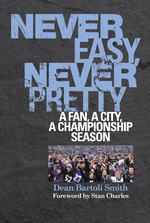
When the Ravens won Super Bowl XLVII in New Orleans, it was a joyous moment for fans and team alike. For Dean Bartoli Smith, a lifelong Baltimore football fan and writer for The Baltimore Brew and Press Box, it was especially sweet. In Never Easy, Never Pretty, he recalls the ups and downs and ultimate thrills of a special season while also showing how a football team impacts its fans and its city. Smith recounts the season from start to glorious finish while interweaving Baltimore’s professional football history, telling his own story of growing up with the Colts, then gradually transferring adult loyalties to the new team in town, the Ravens. Family, friends, and other fans share their recollections, too, letting us see how a football team becomes part of a community.
Smith’s game-by-game recounting of an improbable season brings back all the excitement and uncertainty as the team starts strong, wobbles, then finds its inspiration and character in the playoffs. For each game Never Easy, Never Pretty features a diverse array of quotes, interviews, and commentary from players, broadcasters, and executives, including Joe Flacco, Ray Lewis, Art Donovan, Kevin Byrne, Steve Bisciotti, and Ozzie Newsome.
Never Easy, Never Pretty highlights the Ravens’ electrifying season and celebrates a team, a city, and its emotional landscape during an unlikely run to a Super Bowl victory. The result is an insightful and poignant book about much more than a championship season.
Never Easy, Never Pretty includes:
•The 4th & 29 play by Ray Rice against the Chargers
•
The game-saving first down
•
The 70-yard bomb from Joe Flacco to Jacoby Jones known as the “Mile High Miracle”
•Interviews with Rob Burnett, Keith Mills, Lenny Moore, Sean Landeta, Terrell Suggs, Tom Matte, and many others
•Photographs by long-time Ravens photographer Phil Hoffmann
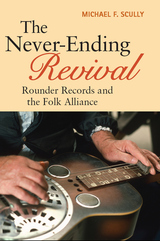
In recent years, there has been an upsurge in interest in "roots music" and "world music," popular forms that fuse contemporary sounds with traditional vernacular styles. In the 1950s and 1960s, the music industry characterized similar sounds simply as "folk music." Focusing on such music since the 1950s, The Never-Ending Revival: Rounder Records and the Folk Alliance analyzes the intrinsic contradictions of a commercialized folk culture. Both Rounder Records and the North American Folk Music and Dance Alliance have sought to make folk music widely available, while simultaneously respecting its defining traditions and unique community atmosphere. By tracing the histories of these organizations, Michael F. Scully examines the ongoing controversy surrounding the profitability of folk music. He explores the lively debates about the difficulty of making commercially accessible music, honoring tradition, and remaining artistically relevant, all without "selling out."
In the late 1950s through the 1960s, the folk music revival pervaded the mainstream music industry, with artists such as Bob Dylan and Joan Baez singing historically or politically informed ballads based on musical forms from Appalachia and the South. In the twenty-first century, the revival continues, and it includes a variety of music derived from Cajun, African American, and Mexican traditions, among many others. Even though the mainstream music industry and media largely ignore the term "folk music," a strong allure based on nostalgia, the desire for community, and a sense of exclusiveness augments an enthusiastic following connected by word-of-mouth, numerous festivals, and the Internet. There are more folk festivals now than there were during the original boom of the 1960s, suggesting that music artists, agents, and record label representatives are striking a successful balance between tradition and profitability. Scully combines rich interviews of music executives and practicing folk musicians with valuable personal experience to reveal how this American subculture remains in a "never-ending revival" based on fluid definitions of folk and folk music.
Individuals who are civically active have three things in common: they have the capacity to do so, they want to, and they have been asked to participate. New Advances in the Study of Civic Voluntarism is dedicated to examining the continued influence of these factors—resources, engagement, and recruitment—on civic participation in the twenty-first century.
The contributors to this volume examine recent social, political, technological, and intellectual changes to provide the newest research in the field. Topics range from race and religion to youth in the digital age, to illustrate the continued importance of understanding the role of the everyday citizen in a democratic society.
Contributors include:Molly Andolina, Allison P. Anoll, Leticia Bode, Henry E. Brady, Traci Burch, Barry C. Burden, Andrea Louise Campbell, David E. Campbell, Sara Chatfield, Stephanie Edgerly, Zoltán Fazekas, Lisa García Bedoll, Peter K. Hatemi, John Henderson, Krista Jenkins, Yanna Krupnikov, Adam Seth Levine, Melissa R. Michelson, S. Karthick Ramakrishnan, Dinorah Sánchez Loza, Kay Lehman Schlozman, Dhavan Shah, Sono Shah, Kjerstin Thorson, Sidney Verba, Logan Vidal, Emily Vraga, Chris Wells, JungHwan Yang, and the editor.
Orlando illuminates the diverse themes evident in the works of filmmakers such as Ousmane Sembène’s Ceddo (Senegal, 1977), Sarah Maldoror’s Sambizanga (Angola, 1972), Assia Djebar’s La Nouba des femmes de Mont Chenoua (The Circle of women of Mount Chenoua, Algeria, 1978), Zézé Gamboa’s The Hero (Angola, 2004) and Abderrahmane Sissako’s Timbuktu (Mauritania, 2014), among others. Orlando also considers the influence of major African film schools and their traditions, as well as European and American influences on the marketing and distribution of African film. For those familiar with the polemics of African film, or new to them, Orlando offers a cogent analytical approach that is engaging.

The essays are divided into three sections: "Movies and Money," "Cinema and Culture," and "Independents and Independence." The first section focuses on the economics of the industry and analyzes the connection between the film business and the finished product. Topics include a look at the economic conditions that made the seventies’ auteur renaissance possible, the distribution of studio and independent films, and the recent spate of mergers and acquisitions that have come to characterize the new Hollywood. The second part of The New American Cinema deals with the political and cultural significance of war and Vietnam films (Platoon, Apocalypse Now, Born on the Fourth of July); "male rampage" films (Rambo, Lethal Weapon, Die Hard); women’s psychothrillers (The Silence of the Lambs); special effects pictures (2001: A Space Odyssey, Star Wars); and historical re-presentations (Oliver Stone’s JFK). The final section casts a keen eye on films produced and exhibited outside the commercial mainstream, examining the financial realities of "indie" films; the influence of independent filmmaker John Cassavetes on Coppola, Altman, and Scorsese; the stereotyping of African Americans in mainstream cinema; and the films of independent women filmmakers.

In this collection, sixteen scholars explore topics as diverse as the historical debate over black athletic superiority, the selling of sport in society, the eroticism of athletic activity, sexual fears of women athletes, and the marketing of the marathon.
In line with the changing nature of sport history as a field of study, the essays focus less on traditional topics and more on themes of class, gender, race, ethnicity, and national identity, which also define the larger parameters of social and cultural history. It is the first anthology to situation sport history within the broader fields of social history and cultural studies.
Contributors are Melvin L. Adelman, William J. Baker, Pamela L. Cooper, Mark Dyreson, Gerald R. Gems, Elliott J. Gorn, Allen Guttmann, Stephen H. Hardy, Peter Levine, Donald J. Mrozek, Michael Oriard, S. W. Pope, Benjamin G. Rader, Steven A. Riess, Nancy L. Struna, and David K. Wiggins.
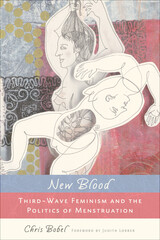
Through her critical ethnographic lens, Bobel focuses on debates central to feminist thought (including the utility of the category "gender") and challenges to building an inclusive feminist movement. Filled with personal narratives, playful visuals, and original humor, New Blood reveals middle-aged progressives communing in Red Tents, urban punks and artists "culture jamming" commercial menstrual products in their zines and sketch comedy, queer anarchists practicing DIY health care, African American health educators espousing "holistic womb health," and hopeful mothers refusing to pass on the shame to their pubescent daughters. With verve and conviction, Bobel illuminates today's feminism-on-the-ground--indisputably vibrant, contentious, and ever-dynamic.
Television conveys powerful messages about sexual identities, and popular shows such as Will & Grace, Ellen, Glee, Modern Family, and The Fosters are often credited with building support for gay rights, including marriage equality. At the same time, however, many dismiss TV’s portrayal of LGBT characters and issues as “gay for pay”—that is, apolitical and exploitative programming created simply for profit. In The New Gay for Pay, Julia Himberg moves beyond both of these positions to investigate the complex and multifaceted ways that television production participates in constructing sexuality, sexual identities and communities, and sexual politics.
Himberg examines the production stories behind explicitly LGBT narratives and characters, studying how industry workers themselves negotiate processes of TV development, production, marketing, and distribution. She interviews workers whose views are rarely heard, including market researchers, public relations experts, media advocacy workers, political campaigners designing strategies for TV messaging, and corporate social responsibility department officers, as well as network executives and producers. Thoroughly analyzing their comments in the light of four key issues—visibility, advocacy, diversity, and equality—Himberg reveals how the practices and belief systems of industry workers generate the conceptions of LGBT sexuality and political change that are portrayed on television. This original approach complicates and broadens our notions about who makes media; how those practitioners operate within media conglomerates; and, perhaps most important, how they contribute to commonsense ideas about sexuality.

Gustafson shows that bilingual education is an issue that extends far beyond the classroom. Public schools are at the center of a broader battle over territory, power, and knowledge as indigenous movements across Latin America actively defend their languages and knowledge systems. In attempting to decolonize nation-states, the indigenous movements are challenging deep-rooted colonial racism and neoliberal reforms intended to mold public education to serve the market. Meanwhile, market reformers nominally embrace cultural pluralism while implementing political and economic policies that exacerbate inequality. Juxtaposing Guarani life, language, and activism with intimate portraits of reform politics among academics, bureaucrats, and others in and beyond La Paz, Gustafson illuminates the issues, strategic dilemmas, and imperfect alliances behind bilingual intercultural education.
During the 1967 festival of Latin American Cinema in Viña del Mar, Chile, a group of filmmakers who wanted to use film as an instrument of social awareness and change formed the New Latin American Cinema. Nearly three decades later, the New Cinema has produced an impressive body of films, critical essays, and manifestos that uses social theory to inform filmmaking practices.
This book explores the institutional and aesthetic foundations of the New Latin American Cinema. Zuzana Pick maps out six areas of inquiry—history, authorship, gender, popular cinema, ethnicity, and exile—and explores them through detailed discussions of nearly twenty films and their makers, including Camila (María Luisa Bemberg), The Guns (Ruy Guerra), and Frida (Paul Leduc). These investigations document how the New Latin American Cinema has used film as a tool to change society, to transform national expressions, to support international differences, and to assert regional autonomy.

Tracing that history from the early nineteenth century to the present, while also surveying the state of the city’s sports historiography, New Orleans Sports places sport in the context of race relations, politics, and civic and business development to expand that historiography—currently dominated by a text that stops at 1900—into the twentieth century, offering a modern examination of sports in the city.
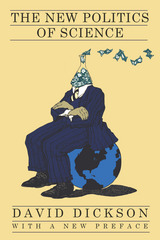
In The New Politics of Science, David Dickson points out that "the scientific community has its own internal power structures, its elites, its hierarchies, its ideologies, its sanctioned norms of social behavior, and its dissenting groups. And the more that science, as a social practice, forms an integral part of the economic structures of the society in which it is imbedded, the more the boundaries and differences between the two dissolve. Groups inside the scientific community, for example, will use groups outside the community—and vice versa—to achieve their own political ends." In this edition, Dickson has included a new preface commenting on the continuing and increasing influence of industrial and defense interests on American scientific research in the 1980s.
A manifesto for the humanities in the digital age, A New Republic of Letters argues that the history of texts, together with the methods by which they are preserved and made available for interpretation, are the overriding subjects of humanist study in the twenty-first century. Theory and philosophy, which have grounded the humanities for decades, no longer suffice as an intellectual framework. Jerome McGann proposes we look instead to philology—a discipline which has been out of fashion for many decades but which models the concerns of digital humanities with surprising fidelity.
For centuries, books have been the best way to preserve and transmit knowledge. But as libraries and museums digitize their archives and readers abandon paperbacks for tablet computers, digital media are replacing books as the repository of cultural memory. While both the mission of the humanities and its traditional modes of scholarship and critical study are the same, the digital environment is driving disciplines to work with new tools that require major, and often very difficult, institutional changes. Now more than ever, scholars need to recover the theory and method of philological investigation if the humanities are to meet their perennial commitments. Textual and editorial scholarship, often marginalized as a narrowly technical domain, should be made a priority of humanists’ attention.
Many of these initiatives are created in isolation, reinforcing institutional silos that are not used strategically to gain the attention of senior administrators, particularly those working at state-supported public institutions who must manage shrinking institutional budgets. Yet teaching and learning centers and WAC programs gain tremendously from one another by building explicit partnerships on campus-wide diversity initiatives that emphasize cultural competence. In addition, both cultural competence and written proficiency enhance the transferable skills necessary for completing undergraduate education requirements, and this work can be leveraged to draw the attention of senior administrative leadership.
Faculty development and WAC need to make diversity and inclusion initiatives a priority for professional development. The New Work of Writing Across the Curriculum reviews initiatives that point to increased understanding of diversity and inclusion that will be of significance to administrators, WAC specialists, faculty developers, and diversity officers across the spectrum of institutions of higher learning.
A fascinating look at the United States’ conflicted relationship with news and the media, through the lens of the newsreel
When weekly newsreels launched in the early twentieth century, they offered the U.S. public the first weekly record of events that symbolized “indisputable evidence” of the news. In News Parade, Joseph Clark examines the history of the newsreel and how it changed the way Americans saw the world. He combines an examination of the newsreel’s methods of production, distribution, and reception with an analysis of its representational strategies to understand the newsreel’s place in the history of twentieth-century American culture and film history.
Clark focuses on the sound newsreel of the 1930s and 1940s, arguing that it represents a crucial moment in the development of a spectacular society where media representations of reality became more fully integrated into commodity culture. Using several case studies, including the newsreel’s coverage of Charles Lindbergh’s transatlantic flight and the Sino–Japanese War, News Parade shows how news film transformed the relationship between its audience and current events, as well as the social and political consequences of these changes. It pays particular attention to how discourses of race and gender worked together with the rhetoric of speed, mobility, and authority to establish the power and privilege of newsreel spectatorship.
In the age of fake news and the profound changes to journalism brought on by the internet, News Parade demonstrates how new technologies and media reshaped the American public’s relationship with the news in the 1930s—a history that can help us to better understand the transformations happening today.
Since 2001, Media Lens has encouraged thousands of readers to challenge the filtered and distorted version of the world provided by major newspapers and broadcasters. The media responses, collected in Newspeak, are an exposé of the arrogance and servility to power of our leading journalists and editors, starring Andrew Marr, Alan Rusbridger, Roger Alton, Jon Snow, Jeremy Bowen and even George Monbiot.
Picking up where the highly acclaimed and successful Guardians of Power (2006) left off, Newspeak is packed with forensic media analysis, revealing the lethal bias in "balanced" reporting. Even the "best" UK media -- the Guardian, the Independent, Channel 4 News and the BBC -- turn out to be cheerleaders for government, business and war.
Alongside an A-Z of BBC propaganda and chapters on Iraq and climate change, Newspeak focuses on the demonisation of Iran and Venezuela, the Israel-Palestine conflict, the myth of impartial reporting and the dark art of smearing dissidents.
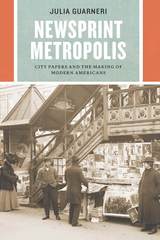
At the turn of the twentieth century, ambitious publishers like Joseph Pulitzer, William Randolph Hearst, and Robert McCormick produced the most spectacular newspapers Americans had ever read. Alongside current events and classified ads, publishers began running comic strips, sports sections, women’s pages, and Sunday magazines. Newspapers’ lavish illustrations, colorful dialogue, and sensational stories seemed to reproduce city life on the page.
Yet as Julia Guarneri reveals, newspapers did not simply report on cities; they also helped to build them. Metropolitan sections and civic campaigns crafted cohesive identities for sprawling metropolises. Real estate sections boosted the suburbs, expanding metropolitan areas while maintaining cities’ roles as economic and information hubs. Advice columns and advertisements helped assimilate migrants and immigrants to a class-conscious, consumerist, and cosmopolitan urban culture.
Newsprint Metropolis offers a tour of American newspapers in their most creative and vital decades. It traces newspapers’ evolution into highly commercial, mass-produced media, and assesses what was gained and lost as national syndicates began providing more of Americans’ news. Case studies of Philadelphia, New York, Chicago, and Milwaukee illuminate the intertwined histories of newspapers and the cities they served. In an era when the American press is under attack, Newsprint Metropolis reminds us how papers once hosted public conversations and nurtured collective identities in cities across America.
The National Football League is one of the most significant cultural engines in contemporary American life. Yet despite intense and near ubiquitous media coverage, commentators rarely turn a critical lens on the league to ask what material and social forces have contributed to its success, and how the NFL has influenced public life in the United States.
The editors of and contributors to The NFL examine the league as a culturally, economically, and politically powerful presence in American life. The essays, by established and up-and-coming scholars, explore how the NFL is packaged for commercial consumption, the league's influence on American identity, and its relationship to state and cultural militarism.
The NFL is the first collection of critical essays to focus attention on the NFL as a cultural force. It boldly moves beyond popular celebrations of the sport and toward a fuller understanding of football's role in shaping contemporary sport, media, and everyday life.
Contributors include: David L. Andrews, Aaron Baker, Michael Butterworth, Jacob Dittmer, Dan Grano, Samantha King, Kyle Kusz, Toby Miller, Ronald L. Mower, Dylan Mulvin, Oliver J.C. Rick, Katie Rodgers, and the editors.
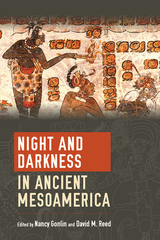
The anthropological study of night and darkness enriches and strengthens the understanding of human behavior, power, economy, and the supernatural. In eleven case studies featuring the residents of Teotihuacan, the Classic period Maya, inhabitants of Rio Ulúa, and the Aztecs, the authors challenge archaeologists to consider the influence of the ignored dimension of the night and the role and expression of darkness on ancient behavior. Chapters examine the significance of eclipses, burials, tombs, and natural phenomena considered to be portals to the underworld; animals hunted at twilight; the use and ritual meaning of blindfolds; night-blooming plants; nocturnal foodways; fuel sources and lighting technology; and other connected practices.
Night and Darkness in Ancient Mesoamerica expands the scope of published research and media on the archaeology of the night. The book will be of interest to those who study the humanistic, anthropological, and archaeological aspects of the Aztec, Maya, Teotihuacanos, and southeastern Mesoamericans, as well as sensory archaeology, art history, material culture studies, anthropological archaeology, paleonutrition, socioeconomics, sociopolitics, epigraphy, mortuary studies, volcanology, and paleoethnobotany.
Contributors: Jeremy Coltman, Christine Dixon, Rachel Egan, Kirby Farah, Carolyn Freiwald, Nancy Gonlin, Julia Hendon, Cecelia Klein, Jeanne Lopiparo, Brian McKee, Jan Marie Olson, David M. Reed, Payson Sheets, Venicia Slotten, Michael Thomason, Randolph Widmer, W. Scott Zeleznik
Reelfoot Lake has been a hunting and fishing paradise from the time of its creation in 1812, when the New Madrid earthquake caused the Mississippi River to flow backward into low-lying lands. Situated in the northwestern corner of the state of Tennessee, it attracted westward-moving pioneers, enticing some to settle permanently on its shores.
Threatened in 1908 with the loss of their homes and livelihoods to aggressive, outsider capitalists, rural folk whose families had lived for generations on the bountiful lake donned hoods and gowns and engaged in “night riding,” spreading mayhem and death throughout the region as they sought vigilante justice. They had come to regard the lake as their own, by “squatters’ rights,” but now a group of entrepreneurs from St. Louis had bought the titles to the land beneath the shallow lake and were laying legal claim to Reelfoot in its entirety. People were hanged, beaten, and threatened and property destroyed before the state militia finally quelled the uprising. A compromise that made the lake public property did not entirely heal the wounds which continue to this day.
Paul Vanderwood reconstructs these harrowing events from newspapers and other accounts of the time. He also obtained personal interviews with participants and family members who earlier had remained mum, still fearing prosecution. The Journal of American History declares his book “the complete and authentic treatment” of the horrific dispute and its troubled aftermath.

The book opens with key themes that will help students and scholars understand the century, such as the civilization and barbarism binary, urbanism, the divide between conservatives and liberals, and transculturation. In the chapters that follow, Conway weaves transnational trends together with brief case studies and compelling snapshots that help us understand the period. How much did books and photographs cost in the nineteenth century? What was the dominant style in painting? What kinds of ballroom dancing were popular? Richly illustrated with striking photographs and lithographs, this is a book that invites the reader to rediscover a past age that is not quite past, still resonating into the present.
Nixon at the Movies takes a new and often revelatory approach to looking at Nixon's career—and Hollywood's. From the obvious (All the President's Men) to the less so (Elvis Presley movies and Nixon's relationship to '60s youth culture) to several onscreen "alternate" Nixons (Fred MacMurray in Double Indemnity, Tony Curtis in The Sweet Smell of Success, Gene Hackman in The Conversation), Feeney sees aspects of Nixon's character, and the nation's, refracted and reimagined in film. Conversely, Feeney argues that Nixon can help us see the movies in a new light, making a strong case for Nixon as the movies' tutelary deity during the early '70s, playing a role in Hollywood's Silver Age comparable to FDR's during its Golden Age.
Stylishly written and bracingly eclectic, Nixon at the Movies draws on biography, politics, cultural history, and film criticism to show just how deeply in the twentieth-century American grain lies the pair of seemingly incongruous nouns in its title. As Nixon once remarked to Garry Wills: "Isn't that a hell of a thing, that the fate of a great country can depend on camera angles?"

Recent anthropological scholarship on “new midwifery” centers on how professional midwives in various countries are helping women reconnect with “nature,” teaching them to trust in their bodies, respecting women’s “choices,” and fighting for women’s right to birth as naturally as possible. In No Alternative, Rosalynn A. Vega uses ethnographic accounts of natural birth practices in Mexico to complicate these narratives about new midwifery and illuminate larger questions of female empowerment, citizenship, and the commodification of indigenous culture, by showing how alternative birth actually reinscribes traditional racial and gender hierarchies.
Vega contrasts the vastly different birthing experiences of upper-class and indigenous Mexican women. Upper-class women often travel to birthing centers to be delivered by professional midwives whose methods are adopted from and represented as indigenous culture, while indigenous women from those same cultures are often forced by lack of resources to use government hospitals regardless of their preferred birthing method. Vega demonstrates that women’s empowerment, having a “choice,” is a privilege of those capable of paying for private medical services—albeit a dubious privilege, as it puts the burden of correctly producing future members of society on women’s shoulders. Vega’s research thus also reveals the limits of citizenship in a neoliberal world, as indigeneity becomes an object of consumption within a transnational racialized economy.
Some maps help us find our way; others restrict where we go and what we do. These maps control behavior, regulating activities from flying to fishing, prohibiting students from one part of town from being schooled on the other, and banishing certain individuals and industries to the periphery. This restrictive cartography has boomed in recent decades as governments seek regulate activities as diverse as hiking, building a residence, opening a store, locating a chemical plant, or painting your house anything but regulation colors. It is this aspect of mapping—its power to prohibit—that celebrated geographer Mark Monmonier tackles in No Dig, No Fly, No Go.
Rooted in ancient Egypt’s need to reestablish property boundaries following the annual retreat of the Nile’s floodwaters, restrictive mapping has been indispensable in settling the American West, claiming slices of Antarctica, protecting fragile ocean fisheries, and keeping sex offenders away from playgrounds. But it has also been used for opprobrium: during one of the darkest moments in American history, cartographic exclusion orders helped send thousands of Japanese Americans to remote detention camps. Tracing the power of prohibitive mapping at multiple levels—from regional to international—and multiple dimensions—from property to cyberspace—Monmonier demonstrates how much boundaries influence our experience—from homeownership and voting to taxation and airline travel. A worthy successor to his critically acclaimed How to Lie with Maps, the book is replete with all of the hallmarks of a Monmonier classic, including the wry observations and witty humor.
In the end, Monmonier looks far beyond the lines on the page to observe that mapped boundaries, however persuasive their appearance, are not always as permanent and impermeable as their cartographic lines might suggest. Written for anyone who votes, owns a home, or aspires to be an informed citizen, No Dig, No Fly. No Go will change the way we look at maps forever.



Carolan argues that building community is the key to healthy, equitable, and sustainable food. While researching No One Eats Alone, he interviewed more than 250 individuals, from flavorists to Fortune 500 executives, politicians to feedlot managers, low-income families to crop scientists, who play a role in the life of food. Advertising consultants told him of efforts to distance eaters and producers—most food firms don’t want their customers thinking about farm laborers or the people living downstream of processing plants. But he also found stories of people getting together to change their relationship to food and to each other.
There are community farms where suburban moms and immigrant families work side by side, reducing social distance as much as food miles. There are entrepreneurs with little capital or credit who are setting up online exchanges to share kitchen space, upending conventional notions of the economy of scale. There are parents and school board members who are working together to improve cafeteria food rather than relying on soda taxes to combat childhood obesity.
Carolan contends that real change only happens when we start acting like citizens first and consumers second. No One Eats Alone is a book about becoming better food citizens.
Based on candid, in-depth interviews with women who considered but did not obtain an abortion, No Real Choice punctures the myth that American women have full autonomy over their reproductive choices. Focusing on the experiences of a predominantly Black and low-income group of women, sociologist Katrina Kimport finds that structural, cultural, and experiential factors can make choosing abortion impossible–especially for those who experience racism and class discrimination. From these conversations, we see the obstacles to “choice” these women face, such as bans on public insurance coverage of abortion and rampant antiabortion claims that abortion is harmful. Kimport's interviews reveal that even as activists fight to preserve Roe v. Wade, class and racial disparities have already curtailed many women’s freedom of choice.
No Real Choice analyzes both the structural obstacles to abortion and the cultural ideologies that try to persuade women not to choose abortion. Told with care and sensitivity, No Real Choice gives voice to women whose experiences are often overlooked in debates on abortion, illustrating how real reproductive choice is denied, for whom, and at what cost.
NO Rhetoric(s) examines a subject intensely debated during the last three decades but rarely a topic of its own: art as an agent of resistance, whether as a rhetorical stance or critical strategy. In the face of today’s discourse on revolt and insurrection, it is necessary to ask whether the gesture of “negation” still has an emancipatory potential. NO Rhetoric(s) contributes a deeper understanding of the different logics of resistance at play between art and politics. Showcasing a diverse array of voices, this volume presents contributions on topics as varied as sexual dissidence, ecology, and geopolitics in the digital age. Through this interdisciplinary show of force, the collected authors, artists, and scholars shed light on how art approaches the most urgent issues facing today’s society.
READERS
Browse our collection.
PUBLISHERS
See BiblioVault's publisher services.
STUDENT SERVICES
Files for college accessibility offices.
RECENTLY PUBLISHED




UChicago Accessibility Resources
home | accessibility | search | about | contact us
BiblioVault ® 2001 - 2025
The University of Chicago Press