
 A SCHOLARLY BOOK REPOSITORY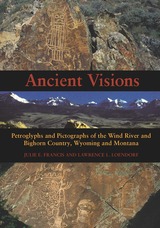
The Bighorn and Wind River basins of north-central Wyoming and southern Montana have been home to Native American tribes for at least 11,000 years and contain some of the most diverse assemblages of hunter-gatherer rock art anywhere in the world. Most notable are the spectacular and surreal images of the Dinwoody tradition, but there is also a startling array of other forms from shield-bearing warriors to animals, plants, and abstract images. Ancient Visions presents a sampling of these wonderful rock art figures.
Julie Francis and Lawrence Loendorf contend that Native Americans, past and present, hold traditional knowledge that is central to an understanding of these images. By combining the ethnographic record with consultation of traditional leaders in modern Native communities, they offer compelling evidence that highly complex belief systems and religious experience form the context for the vast majority of petroglyphs and pictographs in the region.
The authors also show how this ancient imagery can be integrated with the archaeological record. Modern advances in rock-art dating techniques allow them to begin the process of incorporating image styles with archaeological chronologies. The result is a new approach that offers a much different archaeological picture of the ancient Bighorn and Wind River basins.
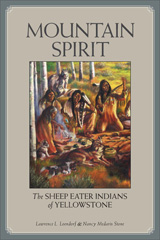
These robust people were talented artisans, making well-constructed shelters, powerful horn bows, and expertly tailored clothing that was highly sought by their trading partners. They moved in small, kin-based bands, accompanied by large dogs that were indispensable hunting and trekking companions. Moving seasonally through portions of the Beartooth, Absaroka, and Wind River ranges, the Sheep Eaters made skillful use of their environment.
Written for general readers, Mountain Spirit includes photographs, lithographs, and a number of color drawings and sketches of Sheep Eater life ways by Davíd Joaquin. It presents a vivid picture of the vanished way of life of a people whose accomplishments have been largely ignored in histories of Native peoples.

Despite having survived for thousands of years, erosion, decay, and even vandalism are all threats to these important cultural sites. A field session involving documentation might be the only opportunity to record these unique and significant images. The ten steps laid out here by Loendorf and Stone offer a general overview of current best practices to maintain a scientific and professional documentation program.
READERS
Browse our collection.
PUBLISHERS
See BiblioVault's publisher services.
STUDENT SERVICES
Files for college accessibility offices.
RECENTLY PUBLISHED






UChicago Accessibility Resources
home | accessibility | search | about | contact us
BiblioVault ® 2001 - 2025
The University of Chicago Press