
 A SCHOLARLY BOOK REPOSITORY
Beginning in the 1870s, sportsmen across America formed hundreds of organizations that not only fostered responsibility for game habitats but also spearheaded the creation of national parks, forests, and wildlife refuges. Reiger tells how these "gentlemen" hunters and anglers, outdoor journals like Forest and Stream, and organizations such as the Boone and Crockett Club—founded by Theodore Roosevelt, George Bird Grinnell, and other prominent sportsmen—lobbied for laws regulating the taking of wildlife, and helped to arouse public interest in wilderness preservation.
In this new edition, Reiger traces the antecedents of the sportsmen's conservation movement to the years before the Civil War. He extends his coverage into the present by demonstrating how the nineteenth-century sportsman's code—with its demand for taking responsibility for the total environment—continues to be the cornerstone of the sporting ethic. A new Epilogue depicts leading environmental thinker Aldo Leopold as the best-known exponent of this hunter-conservationist ideal.
Praised as "one of the seminal works in conservation history" by historian Hal Rothman, Reiger's book continues to be essential reading for all concerned with how earlier Americans regarded the land, demonstrating even to those who oppose hunting that they share with sportsmen and sportswomen an awareness and appreciation of our fragile environment.
Efforts to conserve wildlife populations and preserve biological diversity are often hampered by an inadequate understanding of animal behavior. How do animals react to gaps in forested lands, or to sport hunters? Do individual differences—in age, sex, size, past experience—affect how an animal reacts to a given situation? Differences in individual behavior may determine the success or failure of a conservation initiative, yet they are rarely considered when strategies and policies are developed.
Animal Behavior and Wildlife Conservation explores how knowledge of animal behavior may help increase the effectiveness of conservation programs. The book brings together conservation biologists, wildlife managers, and academics from around the world to examine the importance of general principles, the role played by specific characteristics of different species, and the importance of considering the behavior of individuals and the strategies they adopt to maximize fitness.
Each chapter begins by looking at the theoretical foundations of a topic, and follows with an exploration of its practical implications. A concluding chapter considers possible future contributions of research in animal behavior to wildlife conservation.
Built on extensive ethnographic fieldwork in the mountain villages of India’s Central Himalayas, Radhika Govindrajan’s book explores the number of ways that human and animal interact to cultivate relationships as interconnected, related beings. Whether it is through the study of the affect and ethics of ritual animal sacrifice, analysis of the right-wing political project of cow-protection, or examination of villagers’ talk about bears who abduct women and have sex with them, Govindrajan illustrates that multispecies relatedness relies on both difference and ineffable affinity between animals. Animal Intimacies breaks substantial new ground in animal studies, and Govindrajan’s detailed portrait of the social, political and religious life of the region will be of interest to cultural anthropologists and scholars of South Asia as well.
The essays collected in As the Condor Soars focus on the role that ornithologists have played in research, management, and conservation debates across the state over the past century. Contributors to this volume discuss new developments in the study of birds, from sophisticated tracking devices to the evolving connections between ornithologists and artists. Readers also learn about the important role of citizen scientists in saving our treasured birds. These essays provide hope for species recovery, despite environmental threats, when scientists and the public work together. They also offer to other regions examples of adaptive management learned through these efforts.
This full-color book is beautifully illustrated by noted Oregon Coast artist Ram Papish and includes over eighty stunning photographs donated by some of the state’s finest nature photographers. Fifty capsule biographies of noted Oregon avian scientists round out the inspirational stories about the monumental efforts that have taken shape in recent decades. Accessibly written for scientists and laypeople alike, As the Condor Soars is a gift to everyone who cares about the conservation and restoration of Oregon’s birds.
By employing the tenets of posthumanism, compassionate conservation, and entangled empathy—and making them accessible through storytelling and narrative—Propen offers new perspectives about how to more compassionately and productively understand ideas about home, connectivity, and coexistence across a range of places and ecosystems. Uniquely conceptualized to include narrative related to the Anthropause, as well as travel and nature writing amidst COVID-19, At Home in the Anthropocene engages with questions about home and belonging in generative ways that attempt to open up possibilities for sustainable futures in which we may productively coexist with our more-than-human kin.
In 1993, Alan Rabinowitz, called "the Indiana Jones" of wildlife science by The New York Times, arrived for the first time in the country of Myanmar, known until 1989 as Burma, uncertain of what to expect. Working under the auspices of the Wildlife Conservation Society, his goal was to establish a wildlife research and conservation program and to survey the country's wildlife. He succeeded beyond all expectations, not only discovering a species of primitive deer completely new to science but also playing a vital role in the creation of Hkakabo Razi National Park, now one of Southeast Asia's largest protected areas.
Beyond the Last Village takes the reader on a journey of exploration, danger, and discovery in this remote corner of the planet at the southeast edge of the Himalayas where tropical rain forest and snow-covered mountains meet. As we travel through this "lost world" -- a mysterious and forbidding region isolated by ancient geologic forces -- we meet the Rawang, a former slave group, the Taron, a solitary enclave of the world's only pygmies of Asian ancestry, and Myanmar Tibetans living in the furthest reaches of the mountains. We enter the territories of strange, majestic-looking beasts that few people have ever heard of and fewer have ever seen -- golden takin, red goral, blue sheep, black barking deer. The survival of these ancient species is now threatened, not by natural forces but by hunters with snares and crossbows, trading body parts for basic household necessities.
The powerful landscape and unique people the author befriends help him come to grips with the traumas and difficulties of his past and emerge a man ready to embrace the world anew. Interwoven with his scientific expedition in Myanmar, and helping to inform his understanding of the people he met and the situations he encountered, is this more personal journey of discovery.
In 1987, zoologist Alan Rabinowitz was invited by the Thai government to study leopards, tigers, and other wildlife in the Huai Kha Khaeng valley, one of Southeast Asia's largest and most prized forests. It was hoped his research would help protect the many species that live in that fragile reserve, which was being slowly depleted by poachers, drug traffickers, and even the native tribes of the area. Chasing the Dragon's Tail is the remarkable story of Rabinowitz's life and adventures in the forest as well as the streets of Bangkok, as he works to protect Thailand's threatened wildlife.
Based on Rabinowitz's field journals, the book offers an intimate and moving look at a modern zoologist's life in the field. As he fights floods, fire-ant infestations, elephant stampedes, and a request to marry the daughter of a tribal chief, the difficulties that come with the demanding job of species conservation are dramatically brought to life. First published in 1991, this edition of Chasing the Dragon's Tail includes a new afterword by the author that brings the story up to date, describing the surprising strides Thailand has made recently in conservation.
Other titles by Alan Rabinowitz include Beyond the Last Village and Jaguar.
Collaborative Planning for Wetlands and Wildlife presents numerous case studies that demonstrate how different communities have creatively reconciled problems between developers and environmentalists. It answers questions asked by regulators, environmentalists, and developers who seek practical alternatives to the existing case-by-case permitting process, and offers valuable lessons from past and ongoing areawide planning efforts.
Mountain lion biologist and expert Mark Elbroch welcomes these tough questions. He dismisses long-held myths about mountain lions and uses groundbreaking science to uncover important new information about their social habits. Elbroch argues that humans and mountain lions can peacefully coexist in close proximity if we ignore uninformed hype and instead arm ourselves with knowledge and common sense. He walks us through the realities of human safety in the presence of mountain lions, livestock safety, competition with hunters for deer and elk, and threats to rare species, dispelling the paranoia with facts and logic. In the last few chapters, he touches on human impacts on mountain lions and the need for a sensible management strategy. The result, he argues, is a win-win for humans, mountain lions, and the ecosystems that depend on keystone predators to keep them in healthy balance.
The Cougar Conundrum delivers a clear-eyed assessment of a modern wildlife challenge, offering practical advice for wildlife managers, conservationists, hunters, and those in the wildland-urban interface who share their habitat with large predators.
The cougar is one of the most beautiful, enigmatic, and majestic animals in the Americas. Eliciting reverence for its grace and independent nature, it also triggers fear when it comes into contact with people, pets, and livestock or competes for hunters’ game. Mystery, myth, and misunderstanding surround this remarkable creature.
The cougar’s range once extended from northern Canada to the tip of South America, and from the Pacific to the Atlantic, making it the most widespread animal in the western hemisphere. But overhunting and loss of habitat vastly reduced cougar numbers by the early twentieth century across much of its historical range, and today the cougar faces numerous threats as burgeoning human development encroaches on its remaining habitat.
When Maurice Hornocker began the first long-term study of cougars in the Idaho wilderness in 1964, little was known about this large cat. Its secretive nature and rarity in the landscape made it difficult to study. But his groundbreaking research yielded major insights and was the prelude to further research on this controversial species.
The capstone to Hornocker’s long career studying big cats, Cougar is a powerful and practical resource for scientists, conservationists, and anyone with an interest in large carnivores. He and conservationist Sharon Negri bring together the diverse perspectives of twenty-two distinguished scientists to provide the fullest account of the cougar’s ecology, behavior, and genetics, its role as a top predator, and its conservation needs. This compilation of recent findings, stunning photographs, and firsthand accounts of field research unravels the mysteries of this magnificent animal and emphasizes its importance in healthy ecosystem processes and in our lives.
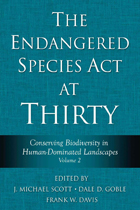
The Endangered Species Act at Thirty is a comprehensive, multidisciplinary review of issues surrounding the Endangered Species Act, with a specific focus on the act's actual implementation record over the past thirty years. The result of a unique, multi-year collaboration among stakeholder groups from across the political spectrum, the two volumes offer a dispassionate consideration of a highly polarized topic.
Renewing the ConservationPromise, Volume 1, puts the reader in a better position to make informed decisions about future directions in biodiversity conservation by elevating the policy debate from its current state of divisive polemics to a more-constructive analysis. It helps the reader understand how the Endangered Species Act has been implemented, the consequences of that implementation, and how the act could be changed to better serve the needs of both the species it is designed to protect and the people who must live within its mandates.
As debate over reforming the Endangered Species Act heats up in the coming months, these two books will be essential references for policy analysts and lawmakers; professionals involved with environmental law, science, or management; and academic researchers and students concerned with environmental law, policy, management, or science.
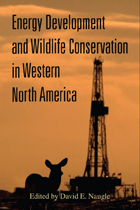
Energy Development and Wildlife Conservation in Western North America offers a road map for securing our energy future while safeguarding our heritage.
Contributors show how science can help craft solutions to conflicts between wildlife and energy development by delineating core areas, identifying landscapes that support viable populations, and forecasting future development scenarios to aid in conservation design. The book
- frames the issue and introduces readers to major types of extraction
- quantifies the pace and extent of current and future energy development
- provides an ecological foundation for understanding cumulative impacts on wildlife species
- synthesizes information on the biological response of wildlife to development
- discusses energy infrastructure as a conduit for the spread of invasive species
- compares impacts of alternative energy to those of conventional development
The final section calls for a shift away from site-level management that has failed to mitigate cumulative impacts on wildlife populations toward broad-scale planning and implementation of conservation in priority landscapes. The book concludes by identifying ways that decision makers can remove roadblocks to conservation, and provides a blueprint for implementing conservation plans. Energy Development and Wildlife Conservation in Western North America is a must-have volume for elected officials, industry representatives, natural resource managers, conservation groups, and the public seeking to promote energy independence while at the same time protecting wildlife.

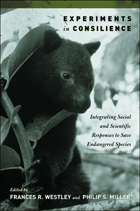
In his 1998 book Consilience, E.O. Wilson set forth the idea that integrating knowledge and insights from across the spectrum of human study -- the humanities, social science, and natural sciences -- is the key to solving complex environmental and social problems. Experiments in Consilience tells the unique story of a pathbreaking effort to apply this theoretical construct in a real-world setting.
The book describes the work of the Biodiversity Research Network, a team of experts from the United States and Canada brought together to build interdisciplinary connections and stimulate an exchange of expertise. Team members sought to understand the ecology and population dynamics of key species in particular ecosystems, to understand the impact of human populations on those species and ecosystems, and to develop tools and processes for involving a greater variety of stakeholders in conservation efforts.
In order to keep the experiment grounded, the network focused on a single type of conservation planning workshop run by a single organization -- the Population and Habitat Viability Assessment Workshop (PHVA) of the IUCN-sponsored Conservation Breeding Specialist Group (CBSG).
The book combines sections on the theoretical underpinnings of relevant concepts in population biology, simulation modeling, and social science with detailed descriptions of six PHVA workshops conducted on different species across four continents. A concluding chapter examines the lessons learned, which have application to both theory and practice, including reflections on interdisciplinarity, integrated risk assessment, and future directions for research and action. Through the combination of theory and application, combined with frank discussions of what the research network learned -- including both successes and failures -- the book offers fresh ideas on how to improve on-the-ground conservation decisionmaking.
Experiments in Consilience offers a one-of-a-kind overview and introduction to the challenges of cross-disciplinary analysis as well as cross-functional, cross-disciplinary and cross-sectoral action. It centers on the problem of conserving endangered species while telling the story of a new form of organizing for effective risk assessment, recommendation, and action.
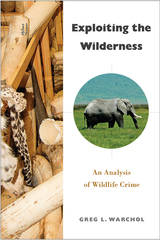
Illegally harvested ivory and endangered plants, mammals, reptiles, birds, and even insects are easily found for sale throughout East and Southern Africa. And this is just one part of the multi-billion-dollar illegal global trade in wildlife.
Wildlife is an important and even vital asset for both intrinsic and economic reasons. Yet it is illegally exploited on a massive scale to the point where some species now risk extinction. Exploiting the Wilderness provides a concise overview of this shameful business, describing some of the main species being exploited and examining select wildlife whose survival is imperiled due to heavy pressure from poachers to meet consumer demand.
Greg Warchol draws on his firsthand experience and research in Africa to examine the structure and operation of the illegal trade in wildlife. He identifies the participants as well as their motivations and operations, and explains the behavior of poachers, traffickers, and consumers of illegally obtained goods. He concludes with a description of legislative and law enforcement efforts to control and prevent wildlife exploitation along with a number of contemporary conservation initiatives designed to improve the ability of rangers to protect wildlife.
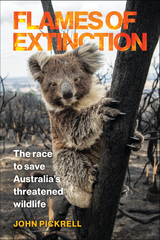
As news of the fires spread around the world, journalist John Pickrell was inundated with requests for articles about the danger to Australia’s wildlife. The picture seemed grim, from charred koalas to flames that burned so hot not even animal skeletons remained. But Pickrell’s reporting exposed a larger picture of hope. Flames of Extinction tells the story of the scientists, wildlife rehabilitators, and community members who came together to save wildlife and protect them in the future.
As climate change intensifies and devastating wildfires become more commonplace, Australia’s Black Summer offers a poignant warning to the rest of the world. Through evocative and urgent storytelling, Flames of Extinction puts readers on the ground to witness the aftermath of one of Australia’s greatest tragedies and inside the inspiring effort to save lives.
When the first field study of the Florida panther took place in 1973, so little was known about the animal that many scientists believed it was already extinct. During more extensive research conducted from 1981 to 1986, panthers were proven to exist, but the handful of senile, anemic, and parasite-infested specimens that were captured indicated a grim future. During those early years a remarkably enduring image of the panther was born, and despite voluminous data gathered over the next decade that showed the panther to be healthy, long-lived, and reproducing, that earlier image has yet to be dispelled.
For nine years, biologist David S. Maehr served as project leader of the Florida Panther Study Project, helping to gather much of the later, surprisingly positive data. In The Florida Panther, he presents the first detailed portrait of the animal -- its biology, natural history, and current status -- and a realistic assessment of its prospects for survival.
Maehr also provides an intriguing look at the life and work of a field biologist: how captures are made, the intricacies of radio-telemetry tracking, the roles of various team members. He describes the devastating intrusion of politics into scientific work, as he discusses the widespread problems caused by the failure of remote and ill-informed managers to provide needed support and to communicate effectively to the public the goals and accomplishments of the scientists. He examines controversial efforts to establish a captive breeding program and to manipulate the Florida panther's genetic stock with the introduction of relatives from west Texas.
Protection of high-quality habitat, much of it in the hands of private landowners, is the key to the long-term survival of the Florida panther. Unless agency decisionmakers and the public are aware of the panther's true situation, little can be done to save it. This book will play a vital role in correcting widespread misconceptions about the panther's current condition and threats to its survival.
America has never felt more divided. But in the midst of all the acrimony comes one of the most promising movements in our country’s history. People of all races, faiths, and political persuasions are coming together to restore America's natural wealth: its ability to produce healthy foods.
In Food from the Radical Center, Gary Nabhan tells the stories of diverse communities who are getting their hands dirty and bringing back North America's unique fare: bison, sturgeon, camas lilies, ancient grains, turkeys, and more. These efforts have united people from the left and right, rural and urban, faith-based and science-based, in game-changing collaborations. Their successes are extraordinary by any measure, whether economic, ecological, or social. In fact, the restoration of land and rare species has provided—dollar for dollar—one of the best returns on investment of any conservation initiative.
As a leading thinker and seasoned practitioner in biocultural conservation, Nabhan offers a truly unique perspective on the movement. He draws on fifty years of work with community-based projects around the nation, from the desert Southwest to the low country of the Southeast. Yet Nabhan’s most enduring legacy may be his message of hope: a vision of a new environmentalism that is just and inclusive, allowing former adversaries to commune over delicious foods.
One in five people in the United States is a birdwatcher, yet the popular understanding of birders reduces them to comical stereotypes, obsessives who only have eyes for their favorite rare species. In real life, however, birders are paying equally close attention to the world around them, observing the devastating effects of climate change and mass extinction, while discovering small pockets of biodiversity in unexpected places.
For the Birds offers readers a glimpse behind the binoculars and reveals birders to be important allies in the larger environmental conservation movement. With a wealth of data from in-depth interviews and over three years of observing birders in the field, environmental sociologist Elizabeth Cherry argues that birders learn to watch wildlife in ways that make an invaluable contribution to contemporary conservation efforts. She investigates how birders develop a “naturalist gaze” that enables them to understand the shared ecosystem that intertwines humans and wild animals, an appreciation that motivates them to participate in citizen science projects and wildlife conservation.
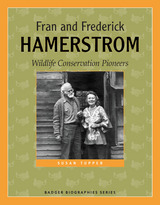
Learn how Fran and Frederick Hamerstrom worked to save the greater prairie chicken from extinction in the Wisconsin Historical Society Press’s new book for young readers, "Fran and Frederick Hamerstrom: Wildlife Conservation Pioneers." Fran and Frederick grew up in New England, and married in 1935. They both loved nature and wanted to dedicate their lives to understanding and preserving wildlife. As students of the famous naturalist, Aldo Leopold, they learned about new ways for humans to think about saving land for animals. Fran was a brave, outgoing woman who cared more about interacting with animals than wearing pretty dresses. Frederick was a calm, thoughtful man who loved to study and conduct research. Together, they spent over thirty years mentoring many future scientists, and working to save the greater prairie chicken, and other animals, from extinction. "Fran and Frederick Hamerstrom: Wildlife Conservation Pioneers" is the newest addition to the Society Press’s Badger Biographies Series.
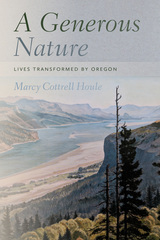
A Generous Nature: Lives Transformed by Oregon offers profiles of twenty-one conservationists and activists who have made enduring contributions to the preservation of Oregon’s wild and natural places and high quality of life. These stories speak to their courage, foresight, and actions—at times against great odds— to enact legislation and motivate others to cherish and protect the places that make Oregon unique.
Taken from personal interviews conducted by the author over a decade, these stories will help readers understand the histories of Oregon’s exceptional places, innovative planning efforts, and laws. They provide insight into the principles and values that motivated individuals to preserve the beauty and natural resources of Oregon, craft legislation to further protect them, and educate others about their value. Houle features locations as diverse as the Columbia River Gorge Natural Scenic Area, the wild and scenic Sandy River, and Tryon Creek State Park, along with background on critical laws and organizations such as the Beach Bill, Diack Act, Senate Bill 100, SOLVE, and the High Desert Partnership.
These stories do more than educate. They will inspire readers and demonstrate that individually we can make a difference. A Generous Nature is a crucial reminder of our responsibility to stand for and defend the places, ideals, and laws that make Oregon a progressive model for the rest of the nation.
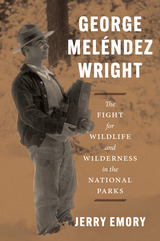
When twenty-three-year-old George Meléndez Wright arrived in Yosemite National Park in 1927 to work as a ranger naturalist—the first Hispanic person to occupy any professional position in the National Park Service (NPS)—he had already visited every national park in the western United States, including McKinley (now Denali) in Alaska. Two years later, he would organize the first science-based wildlife survey of the western parks, forever changing how the NPS would manage wildlife and natural resources. At a time when national parks routinely fed bears garbage as part of “shows” and killed “bad” predators like wolves, mountain lions, and coyotes, Wright’s new ideas for conservation set the stage for the modern scientific management of parks and other public lands.
Tragically, Wright died in a 1936 car accident while working to establish parks and wildlife refuges on the US-Mexico border. To this day, he remains a celebrated figure among conservationists, wildlife experts, and park managers. In this book, Jerry Emory, a conservationist and writer connected to Wright’s family, draws on hundreds of letters, field notes, archival research, interviews, and more to offer both a biography of Wright and a historical account of a crucial period in the evolution of US parks and the wilderness movement. With a foreword by former NPS director Jonathan B. Jarvis, George Meléndez Wright is a celebration of Wright’s unique upbringing, dynamism, and enduring vision that places him at last in the pantheon of the great American conservationists.

Few places in the world can claim such a diversity of species as the Gulf of California (Sea of Cortez), with its 6,000 recorded animal species estimated to be half the number actually living in its waters. So rich are the Gulf's water that over a half-million tons of seafood are taken from them annually—and this figure does not count the wasted by-catch, which would triple or quadruple that tonnage. This timely book provides a benchmark for understanding the Gulf's extraordinary diversity, how it is threatened, and in what ways it is—or should be—protected.
In spite of its dazzling richness, most of the Gulf's coastline now harbors but a pale shadow of the diversity that existed just a half-century ago. Recommendations based on sound, careful science must guide Mexico in moving forward to protect the Gulf of California.
This edited volume contains contributions by twenty-four Gulf of California experts, from both sides of the U.S.-Mexico border. From the origins of the Gulf to its physical and chemical characteristics, from urgently needed conservation alternatives for fisheries and the entire Gulf ecosystem to information about its invertebrates, fishes, cetaceans, and sea turtles, this thought-provoking book provides new insights and clear paths to achieve sustainable use solidly based on robust science. The interdisciplinary, international cooperation involved in creating this much-needed collection provides a model for achieving success in answering critically important questions about a precious but rapidly disappearing ecological treasure.
This collection of diverse essays is the first book devoted to compassionate conservation, a growing global movement that translates discussions and concerns about the well-being of individuals, species, populations, and ecosystems into action. Written by leading scholars in a host of disciplines, including biology, psychology, sociology, social work, economics, political science, and philosophy, as well as by locals doing fieldwork in their own countries, the essays combine the most creative aspects of the current science of animal conservation with analyses of important psychological and sociocultural issues that encourage or vex stewardship. The contributors tackle topics including the costs and benefits of conservation, behavioral biology, media coverage of animal welfare, conservation psychology, and scales of conservation from the local to the global. Taken together, the essays make a strong case for why we must replace our habits of domination and exploitation with compassionate conservation if we are to make the world a better place for nonhuman and human animals alike.
Implementing the Endangered Species Act on the Platte Basin Water Commons tells of the negotiations among the U.S. Department of the Interior, the environmental community, and the states of Wyoming, Colorado, and Nebraska that took place from the mid-1970s to 2006. Ambitious talks among rival water users, environmentalists, state authorities, and the Department of the Interior finally resulted in the Platte River Habitat Recovery Program.
Documenting how organizational interests found remedies within the conditions set by the Endangered Species Act, describing how these interests addressed habitat restoration, and advancing sociological propositions under which water providers transcended self-interest and produced an agreement benefiting the environment, this book details the messy process that took place over more than thirty years. Presenting important implications for the future of water management in arid and semi-arid environments, this book will be of interest to anyone involved in water management, as well as academics interested in the social organization of common property.

"Kilimanjaro slowly takes shape as the night sounds die, its glaciated peak tinged pink in the early light. A solitary wildebeest stares motionless as if mesmerized by the towering mass; a small caravan of giraffe drifts across the plain in solitary file, necks undulating to the slow rhythm of their gangling stride. There is an inexplicable deja vu about the African savannas, as if some subliminal memory is tweaked by the birthplace of our hominid lineage." --from In the Dust of Kilimanjaro
In the Dust of Kilimanjaro is the extraordinary story of one man's struggle to protect Kenya's wildlife. World-renowned conservationist David Western -- who grew up in Africa and whose life is intertwined with the lives of its animals and indigenous peoples -- presents a history of African wildlife conservation and an intimate glimpse into his life as a global spokesperson and one of Kenya's most prominent citizens.
Beginning with his childhood adventures hunting in rural Tanganyika (now Tanzania), Western describes how and why the African continent came to hold such power over him. In lyrical prose, he recounts the years of solitary fieldwork in and around Amboseli National Park that led to his gradual awakening to what was happening to the animals and people there. His immersion in the culture and ecology of the region made him realize that without an integrated approach to conservation, one that involved people as well as animals, Kenya's most magnificent creatures would be lost forever.
His accounts of his friendships with the Maasai add a personal dimension to the book that gives the reader new appreciation for the centuries-old links between Africa's wildlife and people. Continued coexistence rather than segregation, he argues, offers the best hope for the world's wildlife. Western describes how his unique understanding of the potentially devastating problems in the region helped him pioneer a new approach to global wildlife conservation that balances the needs of people and wildlife without excluding one or the other.
More than an exceptional autobiography, In the Dust of Kilimanjaro is a riveting look at local and global efforts to preserve species and protect ecosystems. It is the definitive story of wildlife conservation in Africa with a strong and timely message about co-existence between humans and animals.
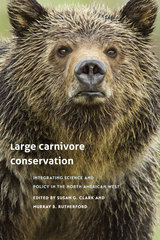
In combining real-world examples with discussions of conservation and policy theory, Large Carnivore Conservation not only explains how traditional management approaches have failed to meet the needs of all parties, but also highlights examples of innovative, successful strategies and provides practical recommendations for improving future conservation efforts.
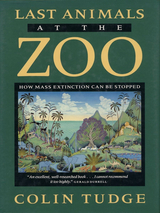
In Last Animals at the Zoo, Colin Tudge argues that zoos have become an essential part of modern conservation strategy, and that the only real hope for saving many endangered species is through creative use of zoos in combination with restoration of natural habitats. From the genetics of captive breeding to techniques of behavioral enrichment, Tudge examines all aspects of zoo conservation programs and explains how the precarious existence of so many animals can best be protected.
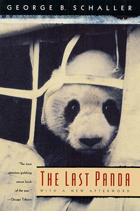
"No scientist is better at letting the rest of us in on just how the natural world works; no poet sees the world with greater clarity or writes about it with more grace. . . . Anyone who genuinely cares for wildlife cannot help being grateful to Schaller—both for his efforts to understand the panda and for the candor with which he reports what has gone so badly wrong in the struggle to save it from extinction."—Geoffrey C. Ward, New York Times Book Review
"Schaller's book is a unique mix of natural history and the politics of conservation, and it makes for compelling reading. . . . Having been in giant panda country myself, I found some of the descriptions of the animals and habitats breathtaking. Schaller describes the daily routines and personalities of the giant pandas he studied (as well as their fates thereafter) as though they were his blood relatives. . . . Schaller's brilliant presentation of the complexities of conservation makes his book a milestone for the conservation movement."—Devra G. Kleiman, Washington Post Book World
"George Schaller's most soulful work, written in journal style with many asides about a creature who evolved only two to three million years ago (about the same time as humans). . . . Here, conservation biology confronts an evil that grinds against hope and shatters the planet's diversity. Written with hope."—Whole Earth Catalog
"A nicely crafted blend of wildlife observation and political-cultural analysis. . . . The Last Panda is a sad chronicle of our failure, so far, to stem the decline of the animal that may be the most beloved on the planet."—Donald Dale Jackson, Smithsonian
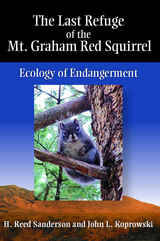
This book is derived from a symposium on the Mt. Graham red squirrel and offers a comprehensive picture of the ecology of this red squirrel and the impacts on its mountain home. Forty contributors detail studies conducted to understand the natural history of the creature and the challenges and changing ecological conditions on Mt. Graham.
Each chapter tells a unique story that contributes to the mosaic of natural history knowledge about the endangered Mt. Graham red squirrel. They reflect diverse viewpoints on the problems of conserving the habitats and populations of the squirrel, showing how it was complicated by perspectives ranging from Native Americans’ concern over traditional lands to astronomers’ hope for a better view of space, and by issues ranging from forestry practices to climate change. Studies of such factors as squirrel middens, seed hoarding, and nest sites provide definitive research on the animal.
Ongoing censuses continue to track the squirrel’s population trends, and both Forest Service and Arizona Department of Transportation activities continue to be scrutinized by interested parties to determine their impact. This book represents an authoritative overview of this still-endangered species and its habitat.
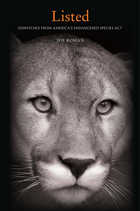
The first listed species to make headlines after the Endangered Species Act was passed in 1973 was the snail darter, a three-inch fish that stood in the way of a massive dam on the Little Tennessee River. When the Supreme Court sided with the darter, Congress changed the rules. The dam was built, the river stopped flowing, and the snail darter went extinct on the Little Tennessee, though it survived in other waterways. A young Al Gore voted for the dam; freshman congressman Newt Gingrich voted for the fish.
A lot has changed since the 1970s, and Joe Roman helps us understand why we should all be happy that this sweeping law is alive and well today. More than a general history of endangered species protection, Listed is a tale of threatened species in the wild—from the whooping crane and North Atlantic right whale to the purple bankclimber, a freshwater mussel tangled up in a water war with Atlanta—and the people working to save them.
Employing methods from the new field of ecological economics, Roman challenges the widely held belief that protecting biodiversity is too costly. And with engaging directness, he explains how preserving biodiversity can help economies and communities thrive. Above all, he shows why the extinction of species matters to us personally—to our health and safety, our prosperity, and our joy in nature.
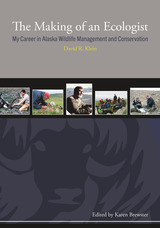
The first portion of the book is comprised of stories from Klein’s life collected during oral history interviews, while the latter section contains essays written by Klein about philosophical topics of importance to him, such as eco-philosophy, the definition of wilderness, and the morality of hunting.
Many of Klein’s graduate students have gone on to become successful wildlife managers themselves, in Alaska and around the globe. Through The Making of an Ecologist, Klein’s outlook, philosophy, and approach toward sustainability, wildlife management, and conservation can now inspire even more readers to ensure the survival of our fragile planet in an ever-changing global society.
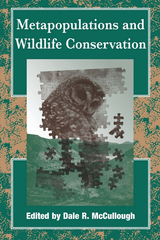
Development of rural landscapes is converting once-vast expanses of open space into pockets of habitat where wildlife populations exist in isolation from other members of their species. The central concept of metapopulation dynamics -- that a constellation of partially isolated patches can yield overall stability to a system that is chaotic at the level of the individual patch -- offers an important new way of thinking about the conservation and management of populations dispersed among small habitat fragments. This approach is proving to be a rich resource for biologists hoping to arrest the current catastrophic loss of biodiversity.
An understanding of metapopulation theory and analysis is critical to the modern practice of wildlife conservation and management. This volume provides a comprehensive overview of the subject, addressing the needs of an applied professional audience for comprehensible information to integrate into their practices. Leading conservation biologists, ecologists, wildlife managers, and other experts consider the emergence and development of metapopulation theory and explore its applicability and usefulness to real-world conservation programs.
Introductory chapters provide background information on basic concepts such as models, genetics, landscape configuraton, and edges and corridors. Subsequent chapters present detailed methods of analyzing metapopulation structure. Case studies of an array of vertebrate species, including the Swedish pool frog, the northern spotted owl, Stephens' kangaroo rat, Florida scrub jay, Mediterranean monk seal, Steller sea lion, tule elk, and others, illustrate nuances of metapopulation theory analysis and its practical applications.
Contributors describe what metapopulation approaches bring to wildlife conservation and management, present models of how metapopulation thinking has been applied in specific situations, and suggest the analysis required in given cases. Metapopulations and Wildlife Conservation is essential reading for anyone working in the field of wildlife conservation and managment.
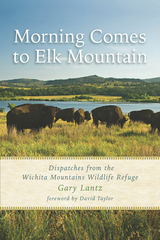
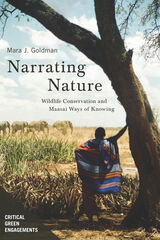
This book employs different storytelling practices, including a traditional Maasai oral meeting—the enkiguena—to decenter conventional scientific ways of communicating about, knowing, and managing nature. Author Mara J. Goldman draws on more than two decades of deep ethnographic and ecological engagements in the semi-arid rangelands of East Africa—in landscapes inhabited by pastoral and agropastoral Maasai people and heavily utilized by wildlife. These iconic landscapes have continuously been subjected to boundary drawing practices by outsiders, separating out places for people (villages) from places for nature (protected areas). Narrating Nature follows the resulting boundary crossings that regularly occur—of people, wildlife, and knowledge—to expose them not as transgressions but as opportunities to complicate the categories themselves and create ontological openings for knowing and being with nature otherwise.
Narrating Nature opens up dialogue that counters traditional conservation narratives by providing space for local Maasai inhabitants to share their ways of knowing and being with nature. It moves beyond standard community conservation narratives that see local people as beneficiaries or contributors to conservation, to demonstrate how they are essential knowledgeable members of the conservation landscape itself.
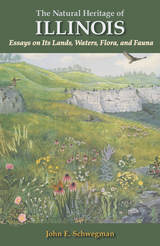
Author John E. Schwegman looks at the state’s early natural history, including its prehistoric vegetation and wildlife. He describes surviving remnants of formerly widespread species, such as biting horseflies so abundant they could kill a horse and flights of passenger pigeons dense enough to block the sun. The book addresses issues of species decline, the ways animals adapt to climate change and dwindling habitats, and the problem of invasive exotic species. Ecosystem preservation is discussed, and readers will witness prescribed burning techniques and volunteers aiding in natural land management.
Animal and plant conservation in Illinois is illustrated by essays that examine the efforts to save our dwindling Prairie Chicken population and to reintroduce river otters, the return of nesting bald eagles and cormorants to the state, the discovery of armadillos in southern Illinois, the pros and cons of feeding birds, and the biological significance of frog calls. Essays on Illinois’ native plants cover a wide range of topics, from defensive strategies to poisonous and edible species, prairie’s dependence on fire, how to recognize our wild roses, orchids, prairie grasses, and more. Full of fascinating information and expert knowledge, this book will prove invaluable to scholars, students, teachers, and casual nature lovers.
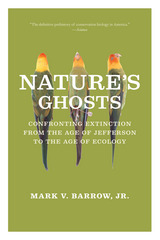
The rapid growth of the American environmental movement in recent decades obscures the fact that long before the first Earth Day and the passage of the Endangered Species Act, naturalists and concerned citizens recognized—and worried about—the problem of human-caused extinction.
As Mark V. Barrow reveals in Nature’s Ghosts, the threat of species loss has haunted Americans since the early days of the republic. From Thomas Jefferson’s day—when the fossil remains of such fantastic lost animals as the mastodon and the woolly mammoth were first reconstructed—through the pioneering conservation efforts of early naturalists like John James Audubon and John Muir, Barrow shows how Americans came to understand that it was not only possible for entire species to die out, but that humans themselves could be responsible for their extinction. With the destruction of the passenger pigeon and the precipitous decline of the bison, professional scientists and wildlife enthusiasts alike began to understand that even very common species were not safe from the juggernaut of modern, industrial society. That realization spawned public education and legislative campaigns that laid the foundation for the modern environmental movement and the preservation of such iconic creatures as the bald eagle, the California condor, and the whooping crane.
A sweeping, beautifully illustrated historical narrative that unites the fascinating stories of endangered animals and the dedicated individuals who have studied and struggled to protect them, Nature’s Ghosts offers an unprecedented view of what we’ve lost—and a stark reminder of the hard work of preservation still ahead.

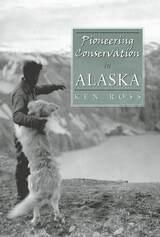
The Alaskan frontier tempted fur traders, whalers, salmon fishers, gold miners, hunters, and oilmen to take what they could without regard for long-term consequences. Wildlife species, ecosystems, and Native cultures suffered, sometimes irreparably. Damage to wildlife and lands drew the attention of environmentalists, including John Muir, who applied their influence to enact wildlife protection laws and set aside lands for conservation. Alaska served as a testing ground for emergent national resource policy in the United States, as environmental values of species and ecosystem sustainability replaced the unrestrained exploitation of Alaska's early frontier days.
Efforts of conservation leaders and the territory's isolation, small human population, and late development prevented widespread destruction and gave Americans a unique opportunity to protect some of the world's most pristine wilderness.
Enhanced by more than 100 photographs, Pioneering Conservation in Alaska illustrates the historical precedents for current natural resource disputes in Alaska and will fascinate readers interested in wildlife and conservation.
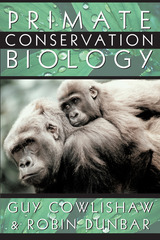
Primate Conservation Biology begins with detailed overviews of the diversity, life history, ecology, and behavior of primates and the ways these factors influence primate abundance and distribution. Cowlishaw and Dunbar then discuss the factors that put primates at the greatest risk of extinction, especially habitat disturbance and hunting. The remaining chapters present a comprehensive review of conservation strategies and management practices, highlighting the key issues that must be addressed to protect primates for the future.

Our whole nation benefits from the preservation of natural habitats and their diversity of animal and plant species—yet small groups of private landowners often bear most of the costs of setting land aside for conservation purposes. This imbalance has generated many conflicts since the passage of the Endangered Species Act in 1973 and remains one of the most controversial issues to be resolved as the ESA makes its way through Congress for reauthorization.
To provide policy makers, landowners, and other stakeholders in the ESA debates with impartial baseline information, this book offers multidisciplinary perspectives on the role that private property plays in protecting endangered species in the United States. The opening chapter traces the evolution of the ESA and set forth the parameters of the debate over regulation of private property. Four subsequent chapters explore the judicial and economic implications of ESA and suggest how issues of scale and diversity affect the implementation of the ESA on private property. The volume concludes with eight principles to help frame the ongoing ESA reauthorization debate, developed by the University of Wyoming's Institute for Environment and Natural Resources Policy Board, the sponsor of the research presented in this book.
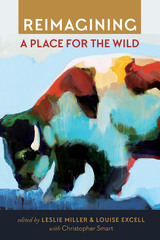
Reimagining a Place for the Wild contains a diverse collection of personal stories that describe encounters with the remaining wild creatures of the American West and critical essays that reveal wildlife’s essential place in western landscapes. Gleaned from historians, journalists, biologists, ranchers, artists, philosophers, teachers, and conservationists, these narratives expose the complex challenges faced by wild animals and those devoted to understanding them. Whether discussing keystone species like grizzly bears and gray wolves or microfauna swimming the thermal depths of geysers, these accounts reflect the authors’ expertise as well as their wonder and respect for wild nature. The writers do more than inform our sensibilities; their narratives examine both humanity’s conduct and its capacity for empathy toward other life. A selection of photos and paintings punctuates the volume.
This collection sprang from the Reimagine Western Landscapes Symposium held at the University of Utah’s Taft-Nicholson Environmental Humanities Education Center in Centennial Valley, Montana. These testaments join a chorus of voices seeking improved relations with the western wild in the twenty-first century.
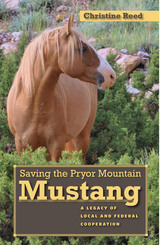
Saving the Pryor Mountain Mustang explores the unique and ongoing relationship between locals and the federal government, highlighting the Lovell citizens’ philosophy of cooperation instead of the typical mistrust that exists between wild horse advocates and federal agencies. The book provides a rich analysis of how a determined group of people saved an endangered wild horse herd. The book will have wide appeal to wild horse activists, scholars of local and federal governance, and western history enthusiasts.

Building on the groundwork laid by the classic Serengeti: Dynamics of an Ecosystem, published in 1979 by the University of Chicago Press, this new book integrates studies of the ecosystem at every level—from the plants at the bottom of the visible food chain, to the many species of herbivores and predators, to the system as a whole. Drawing on new data from many long-term studies and from more recent research initiatives, and applying new theory and computer technology, the contributors examine the large-scale processes that have produced the Serengeti's extraordinary biological diversity, as well as the interactions among species and between plants and animals and their environment. They also introduce computer modeling as a tool for exploring these interactions, employing this new technology to test and anticipate the effects of social, political, and economic changes on the entire ecosystem and on particular species, and so to shape future conservation and management strategies.
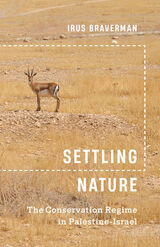
A study of Palestine-Israel through the unexpected lens of nature conservation
Settling Nature documents the widespread ecological warfare practiced by the state of Israel. Recruited to the front lines are fallow deer, gazelles, wild asses, griffon vultures, pine trees, and cows—on the Israeli side—against goats, camels, olive trees, hybrid goldfinches, and akkoub—which are affiliated with the Palestinian side. These nonhuman soldiers are all the more effective because nature camouflages their tactical deployment as such.
Drawing on more than seventy interviews with Israel’s nature officials and on observations of their work, this book examines the careful orchestration of this animated warfare by Israel’s nature administration on both sides of the Green Line. Alongside its powerful protection of wildlife biodiversity, the territorial reach of Israel’s nature protection is remarkable: to date, nearly 25 percent of the country’s total land mass is assigned as a park or a reserve. Settling Nature argues that the administration of nature advances the Zionist project of Jewish settlement and the corresponding dispossession of non-Jews from this space.
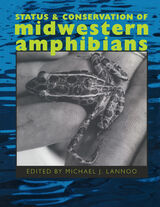
In 1990 an international group of biologists, meeting to discuss rumors of declines in the number of amphibians, discovered that amphibian disappearances once thought to be a local problem were not—the problem was global. And, even more disturbing, amphibians were disappearing not just from areas settled by humans but from regions of the world once believed to be pristine. Under the mantle of the Declining Amphibian Populations Task Force, this timely book addresses three fundamental questions for the midwestern United States: are amphibians declining; if so, why; and, if so, what can be done to halt these losses?
In the Midwest—defined here as Missouri, Iowa, Illinois, Indiana, Ohio, Minnesota, Wisconsin, and Michigan—there can be no doubt that the number of salamanders and frogs has declined with Euro-American settlement and the conversion to an agriculturally dominated landscape. Habitat loss and landscape fragmentation have been major factors in this decline, as have aquacultural uses of natural wetlands. Bullfrog introductions have eliminated populations of native amphibians, and collecting for the biological supply trade has reduced the number of individuals within many populations. The goal of the forty-two essays in this well-documented, well-illustrated book is to put between two covers all we know now about the status of midwestern amphibians. By doing this, the editor has created a readily accessible historical record for future studies.
Organized into sections covering landscape patterns and biogeography, species status, regional and state status, diseases and toxins, conservation, and monitoring and applications, this landmark volume will serve as the foundation for amphibian conservation in the Midwest.
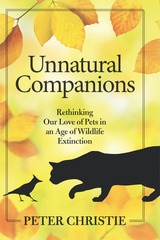
We love our pets. Dogs, cats, birds, reptiles, and other species have become an essential part of more families than ever before—in North America today, pets outnumber people. Pet owners are drawn to their animal companions through an innate desire to connect with other species. But there is a dark side to our domestic connection with animal life: the pet industry is contributing to a global conservation crisis for wildlife—often without the knowledge of pet owners.
In Unnatural Companions, journalist Peter Christie issues a call to action for pet owners. If we hope to reverse the alarming trend of wildlife decline, pet owners must acknowledge the pets-versus-conservation dilemma and concede that our well-fed and sheltered cats too often prey on small backyard wildlife and seemingly harmless reptiles released into the wild might be the next destructive invasive species. We want our pets to eat nutritionally healthy food, but how does the designer food we feed them impact the environment?
Christie's book is a cautionary tale to responsible pet owners about why we must change the ways we love and care for our pets. It concludes with the positive message that the small changes we make at home can foster better practices within the pet industry that will ultimately benefit our pets’ wild brethren.
"A lucid, informed, and gripping account...a must-read." —Science
"Passionate...a heartfelt and alarming tale." —Publishers Weekly
"Gripping...a well-told and moving tale of environmentalism and conservation." —Kirkus
"Compelling." —Library Journal
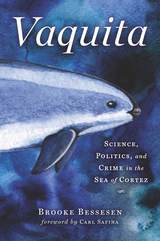
In 2006, vaquita, a diminutive porpoise making its home in the Upper Gulf of California, inherited the dubious title of world’s most endangered marine mammal. Nicknamed “panda of the sea” for their small size and beguiling facial markings, vaquitas have been in decline for decades, dying by the hundreds in gillnets intended for commercially valuable fish, as well as for an endangered fish called totoaba. When international crime cartels discovered a lucrative trade in the swim bladders of totoaba, illegal gillnetting went rampant, and now the lives of the few remaining vaquitas hang in the balance.
Author Brooke Bessesen takes us on a journey to Mexico’s Upper Gulf region to uncover the story. She interviewed townspeople, fishermen, scientists, and activists, teasing apart a complex story filled with villains and heroes, a story whose outcome is unclear. When diplomatic and political efforts to save the little porpoise failed, Bessesen followed a team of veterinary experts in a binational effort to capture the last remaining vaquitas and breed them in captivity—the best hope for their survival. In this fast-paced, soul-searing tale, she learned that there are no easy answers when extinction is profitable.
Whether the rescue attempt succeeds or fails, the world must ask itself hard questions. When vaquita and the totoaba are gone, the black market will turn to the next vulnerable species. What will we do then?
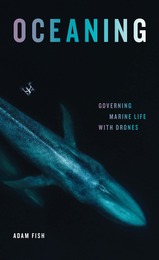
Through case studies in which visual technologies and science play a prominent role in arguments to protect threatened marine species—from photographs showing the impact of ocean plastics on vulnerable sea birds, to debates about seismic testing and its impact on marine species, to maps created from GPS tracking projects—Propen advances a notion of posthuman environmental conservation that decenters the human enough to consider ideas about the material world from the vantage point of the nonhuman animal. In so bringing together work in environmental humanities, animal studies, human geography, and visual-material rhetoric, Propen further shows how interdisciplinary ways of knowing can further shape and illuminate our various lived and embodied experiences.

Whales--are they destined for immediate extinction or will a workable method of controlling their harvest soon appear? In an attempt to answer these and other biological questions related to whaling, the U.S. Department of the Interior, New York Zoological Society, Smithsonian Institution, International Biological Program, and several other organizations sponsored an international conference on the biology of whales in June 1971. The conference brought together experts on cetacean biology and population dynamics of whale stocks and relevant aspects of their biology. This volume collects papers written for that conference by nineteen authors representing eight nations.
The topics discussed include cetacean biology and natural history; methods of estimating the numbers of whales; population counts before, during, and after intensive whaling; recovery rates as whaling diminishes or stops; improved ways of managing whales as a resource; and suggestions for further research. There is in addition a historical chapter on the International Whaling Commission, its failures and its positive accomplishments.
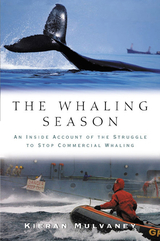
Despite a decades-long international moratorium on commercial whaling, one fleet has continued to hunt and kill whales in the waters surrounding Antarctica. Refusing to let this defiance go unchallenged, the environmental organization Greenpeace began dispatching expeditions to the region in an effort to intercept the whalers and use nonviolent means to stop their lethal practice.
Over the past decade, Kieran Mulvaney led four such expeditions as a campaigner and coordinator. In The Whaling Season, he recounts those voyages in all their drama, disappointments, strain, and elation, giving readers a behind-the-scenes look at the hazards and triumphs of life as an environmental activist on the high seas. The author also explores the larger struggles underlying the expeditions, drawing on the history of commercial whaling and Antarctic exploration, the development of Greenpeace, and broader scientific and political efforts to conserve marine life. He presents a rich portrait of the current struggles and makes an impassioned plea for protection of some of the world’s most spectacular creatures.
For armchair adventurers, polar enthusiasts, and anyone concerned about marine conservation and continued hunting of the world’s whales, The Whaling Season is an engrossing and informative tale of adventure set in one of the Earth’s last great wilderness areas.


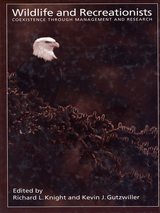
Wildlife and Recreationists defines and clarifies the issues surrounding the conflict between outdoor recreation and the health and well-being of wildlife and ecosystems. Contributors to the volume consider both direct and indirect effects of widlife-recreationist interactions, including:
- wildlife responses to disturbance, and the origins of these responses
- how specific recreational activities affect diverse types of wildlife
- the human dimensions of managing recreationists
- the economic importance of outdoor recreation
- how wildlife and recreationists might be able to coexist
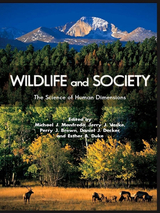
As human populations around the world continue to expand, reconciling nature conservation with human needs and aspirations is imperative. The emergence in recent decades of the academic field of human dimensions of fish and wildlife management is a proactive response to this complex problem.
Wildlife and Society brings together leading researchers in the range of specialties that are relevant to the study of human dimensions of fish and wildlife work around the globe to provide theoretical and historical context as well as a demonstration of tools, methodologies, and idea-sharing for practical implementation and integration of practices.
Chapters document the progress on key issues and offer a multifaceted presentation of this truly interdisciplinary field. The book
• presents an overview of the changing culture of fish and wildlife management;
• considers social factors creating change in fish and wildlife conservation;
• explores how to build the social component into the philosophy of wildlife management;
• discusses legal and institutional factors;
• examines social perspectives on contemporary fish and wildlife management issues.
Wildlife and Society is uniquely comprehensive in its approach to presenting the past, present, and future of human dimensions of fish and wildlife research and application. It offers perspectives from a wide variety of academic disciplines as well as presenting the views of practitioners from the United States, Europe, Africa, and Latin America. It is an important new reference for anyone concerned with fish and wildlife management or environmental conservation and protection.
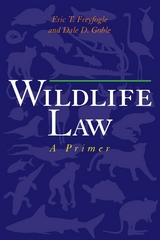
Authors Eric T. Freyfogle and Dale D. Goble are legal scholars who are experts in wildlife law. This book is the first ever to survey the entire field, covering state and federal law with a strong grounding in wildlife science. The writing style is lively and engaging, with descriptions of unusual and intriguing cases that illustrate key points and bring to life the importance and intricacies of the field.
The book includes thirteen chapters on topics such as
• what wildlife law is, what it covers, and what it seeks to achieve;
• constitutional issues and key federal statutes;
• wildlife liability issues, from spider bites to escaped zoo animals;
• state game laws, hunting and fishing rights of Indian tribes;
• and the Endangered Species Act.
Wildlife Law fills a long-standing gap in the literature and introduces readers to the basics of wildlife law while exploring such current controversies as endangered species protection, tribal fishing rights, game ranches, and the challenges of constructing wildlife corridors. It is a much-needed addition to the bookshelf of everyone working with or concerned about wildlife in the United States.
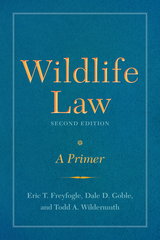
This revised and expanded second edition retains key sections from the first edition, describing basic legal concepts while offering important updates that address recent legal topics. New chapters cover timely issues such as private wildlife reserves and game ranches, and the increased prominence of nuisance species as well as an expanded discussion of the Endangered Species Act, now more than 40 years old. Chapter sidebars showcase pertinent legal cases illustrating real-world application of the legal concepts covered in the main text.
Accessibly written, this is an essential, groundbreaking reference for professors and students in natural resource and wildlife programs, land owners, and wildlife professionals.
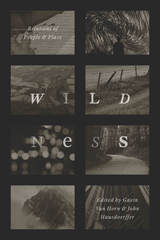
This book charts a different path. Exploring how people can become attuned to the wild community of life and also contribute to the well-being of the wild places in which we live, work, and play, Wildness brings together esteemed authors from a variety of landscapes, cultures, and backgrounds to share their stories about the interdependence of everyday human lifeways and wildness. As they show, far from being an all or nothing proposition, wildness exists in variations and degrees that range from cultivated soils to multigenerational forests to sunflowers pushing through cracks in a city alley. Spanning diverse geographies, these essays celebrate the continuum of wildness, revealing the many ways in which human communities can nurture, adapt to, and thrive alongside their wild nonhuman kin.
From the contoured lands of Wisconsin’s Driftless region to remote Alaska, from the amazing adaptations of animals and plants living in the concrete jungle to indigenous lands and harvest ceremonies, from backyards to reclaimed urban industrial sites, from microcosms to bioregions and atmospheres, manifestations of wildness are everywhere. With this book, we gain insight into what wildness is and could be, as well as how it might be recovered in our lives—and with it, how we might unearth a more profound, wilder understanding of what it means to be human.
Wildness: Relations of People and Place is published in association with the Center for Humans and Nature, an organization that brings together some of the brightest minds to explore and promote human responsibilities to each other and the whole community of life. Visit the Center for Humans and Nature's Wildness website for upcoming events and a series of related short films.
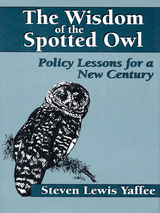
The controversy over the management of national forests in the Pacific Northwest vividly demonstrates the shortcomings of existing management institutions and natural resource policies. The Wisdom of the Spotted Owl explores the American policymaking process through the case of the spotted owl -- a case that offers a striking illustration of the failure of our society to cope with long-term, science-intensive issues requiring collective choices.
Steven Lewis Yaffee analyzes the political and organizational dynamics from which the controversy emerged and the factors that led to our stunning inability to solve it. He examines the state of resource management agencies and policy processes, providing insight into questions such as:
- What caused the extreme polarization of opinion and lack of communication throughout the 1980s and early 1990s?
- How can the inadequate response of government agencies and the failure of the decisionmaking process be explained?
- What kinds of changes must be made to enable our resource policy institutions to better deal with critical environmental issues of the 1990s and beyond?
READERS
Browse our collection.
PUBLISHERS
See BiblioVault's publisher services.
STUDENT SERVICES
Files for college accessibility offices.
RECENTLY PUBLISHED




UChicago Accessibility Resources
home | accessibility | search | about | contact us
BiblioVault ® 2001 - 2024
The University of Chicago Press