Results by title
3 books match the query 'Embodying'
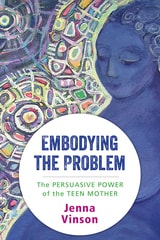
Embodying the Problem
The Persuasive Power of the Teen MotherVinson, Jenna
Rutgers University Press, 2018
The dominant narrative of teen pregnancy persuades many people to believe that a teenage pregnancy always leads to devastating consequences for a young woman, her child, and the nation in which they reside. Jenna Vinson draws on feminist and rhetorical theory to explore how pregnant and mothering teens are represented as problems in U.S. newspapers, political discourses, and teenage pregnancy prevention campaigns since the 1970s.
Vinson shows that these representations prevent a focus on the underlying structures of inequality and poverty, perpetuate harmful discourses about women, and sustain racialized gender ideologies that construct women’s bodies as sites of national intervention and control.
Embodying the Problem also explores how young mothers resist this narrative. Analyzing fifty narratives written by young mothers, the recent #NoTeenShame social media campaign, and her interviews with thirty-three young women, Vinson argues that while the stigmatization of teenage pregnancy and motherhood does dehumanize young pregnant and mothering women, it is at the same time a means for these women to secure an audience for their own messages.
More information on the author's website (https://jennavinson.com)
[more]
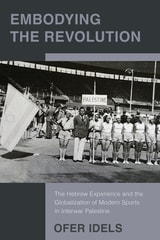
Embodying the Revolution
The Hebrew Experience and the Globalization of Modern Sports in Interwar PalestineOfer Idels
Rutgers University Press, 2026
This original and thought-provoking study offers a fresh perspective on Zionism by exploring Hebrew culture’s ambivalent attitude toward modern sports. Drawing on extensive archival sources and contemporary literary theories, it focuses on Zionism’s surprising anxiety toward sports during the interwar heyday of “muscular Judaism,” revealing an unusual society in which athletes failed to attain national pride and distinction. Addressing themes such as the body, language, space, immigration, internationalism, amateurism, gender, and militarization, Embodying the Revolution presents an innovative reading of Jewish life in Mandate Palestine, linking the marginalization of sports to the meaning and experience of the Zionist Revolution. Idels' compelling interpretation of the appeal of sports, selfhood, and the compromises inherent in radical aspirations—narrated from the periphery of the interwar global rise of sports—challenges contemporary assumptions that dismiss ideology as an elitist myth.
[more]
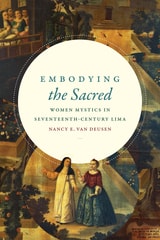
Embodying the Sacred
Women Mystics in Seventeenth-Century LimaNancy E. van Deusen
Duke University Press, 2018
In seventeenth-century Lima, pious Catholic women gained profound theological understanding and enacted expressions of spiritual devotion by engaging with a wide range of sacred texts and objects, as well as with one another, their families, and ecclesiastical authorities. In Embodying the Sacred, Nancy E. van Deusen considers how women created and navigated a spiritual existence within the colonial city's complex social milieu. Through close readings of diverse primary sources, van Deusen shows that these women recognized the divine—or were objectified as conduits of holiness—in innovative and powerful ways: dressing a religious statue, performing charitable acts, sharing interiorized spiritual visions, constructing autobiographical texts, or offering their hair or fingernails to disciples as living relics. In these manifestations of piety, each of these women transcended the limited outlets available to them for expressing and enacting their faith in colonial Lima, and each transformed early modern Catholicism in meaningful ways.
[more]