Results by title
2 books match the query 'Uxoricide'
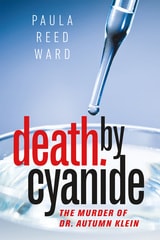
Death by Cyanide
The Murder of Dr. Autumn KleinPaula Reed Ward
Dartmouth College Press, 2016
At just forty-one years old, Dr. Autumn Klein, a neurologist specializing in seizure disorders in pregnant women, had already been named chief of women’s neurology at Pittsburgh’s largest health system. More than just successful in her field, Dr. Klein was beloved—by her patients, colleagues, family, and friends. She collapsed suddenly on April 17, 2013, writhing in agony on her kitchen floor, and died three days later. The police said her husband, Dr. Robert Ferrante, twenty-three years Klein’s senior, killed her through cyanide poisoning. Though Ferrante left a clear trail of circumstantial evidence, Klein’s death from cyanide might have been overlooked if not for the investigators who were able to use Ferrante’s computer, statements from the staff at his lab, and his own seemingly odd actions at the hospital during his wife’s treatment to piece together what appeared to be a long-term plan to end his wife’s life. In Death by Cyanide, Paula Reed Ward, reporter for the Pittsburgh Post-Gazette, describes the murder investigation and the trial in this sensational case, taking us from the poisoning and the medical staff’s heroic measures to save Klein’s life to the investigation of Ferrante and the emotion and drama inside the courtroom.
[more]
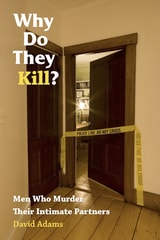
Why Do They Kill?
Men Who Murder Their Intimate PartnersDavid Adams
Vanderbilt University Press, 2007
Moving backwards from the murders thirty-one men committed, through their adult lives, relationship histories, and their childhoods, David Adams sought to understand what motivated these men to kill. The patterns he found reveal that the murders were neither impulsive crimes of passion nor were they indiscriminate. Why Do They Kill? is the first book to profile different types of wife killers, and to examine the courtship patterns of abusive men. The author shows that wife murders are not, for the most part, "crimes of passion," but culminations of lifelong predisposing factors of the men who murder, and that many elements of their crimes are foretold by their past behavior in intimate relationships.
Key turning points of these relationships include the first emergence of the man's violence, his blaming of the victim, her attempts to resist, his escalation, her attempts to end the relationship, and his punishment for her defiance. Critical perspective on the men's accounts comes from interviews with victims of attempted homicide (standing in for the murder victims) who survived shootings, stabbings, and strangulation. These women detail their partner's escalating patterns of child abuse, sexual violence, terroristic threats, and stalking. The section on help-seeking patterns of victims helps to dispel notions of learned helplessness among victims.
Key turning points of these relationships include the first emergence of the man's violence, his blaming of the victim, her attempts to resist, his escalation, her attempts to end the relationship, and his punishment for her defiance. Critical perspective on the men's accounts comes from interviews with victims of attempted homicide (standing in for the murder victims) who survived shootings, stabbings, and strangulation. These women detail their partner's escalating patterns of child abuse, sexual violence, terroristic threats, and stalking. The section on help-seeking patterns of victims helps to dispel notions of learned helplessness among victims.
[more]