
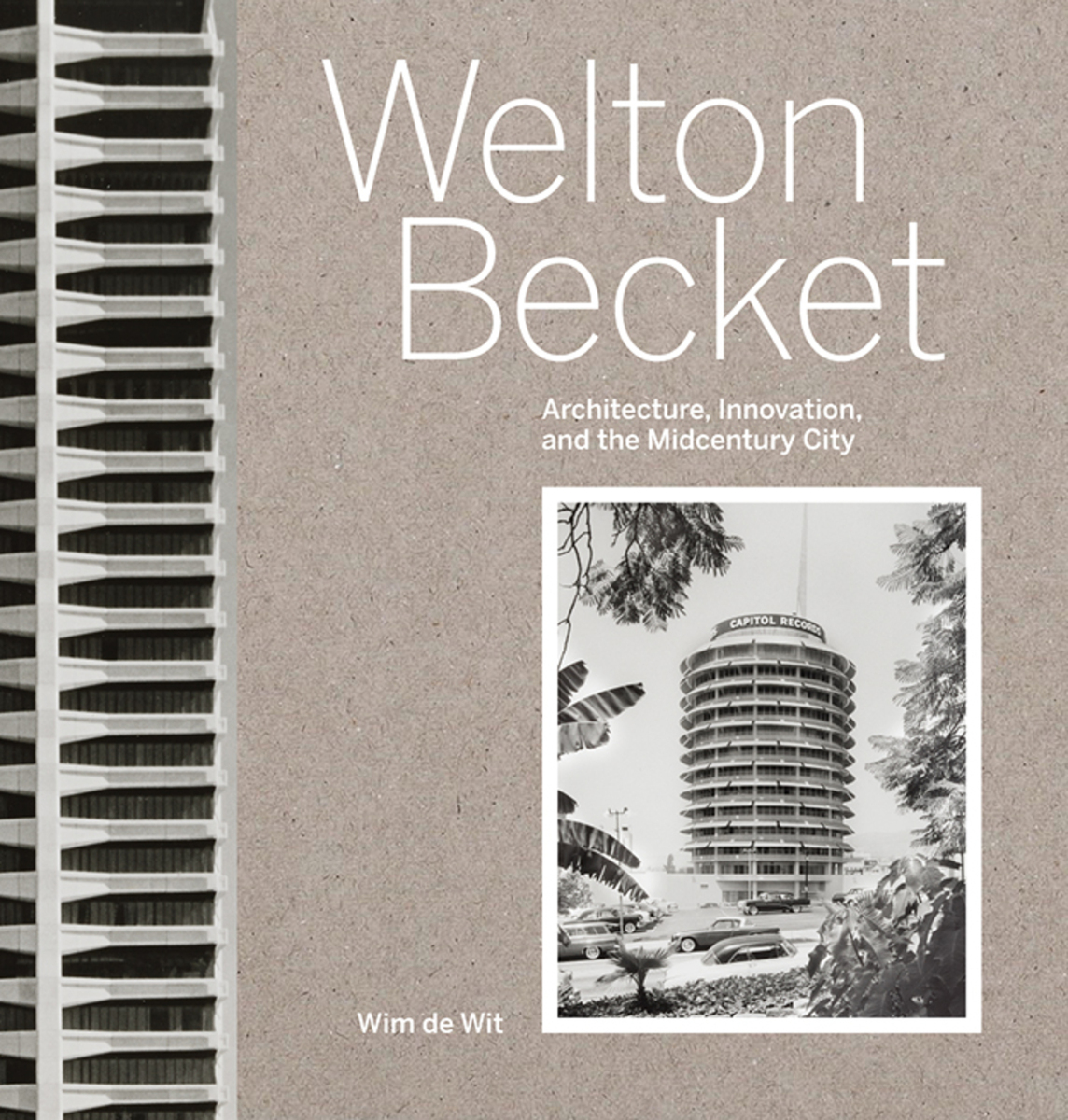
Welton Becket: Architecture, Innovation, and the Midcentury City
ABOUT THIS BOOK
A compelling reassessment of Welton Becket shows how his buildings—and his business-savvy vision—left a lasting mark on the modern landscape.
Welton Becket (1902–1969) was one of the most prolific architects of postwar America—and one of its most overlooked. From the Capitol Records Building and the Los Angeles Music Center to hospitals, hotels, and corporate headquarters across the United States and abroad, Becket and his firm shaped the everyday landscape of modern life on a massive scale. This first comprehensive study of his career examines Becket’s client-centered approach, innovations in design and business, and lasting impact on urban development and midcentury modernism.
- Situates Welton Becket among leading architects and firms that defined postwar architecture, including Skidmore, Owings & Merrill and Eero Saarinen.
- Argues that Becket’s extraordinary success—and subsequent obscurity—were rooted in the same conviction: a building should reflect the client, not the architect.
- Offers fresh insight into collaborative design practices and architectural authorship in the mid-20th century.
This essential book on one of modern architecture's most quietly influential figures reshapes how we understand postwar design and the forces that built modern America.