Results by title
57 books match the query 'Essays & Narratives' and 4 start with a
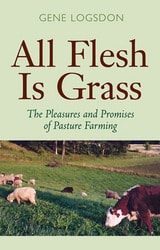
All Flesh Is Grass
The Pleasures and Promises of Pasture FarmingGene Logsdon
Ohio University Press, 2004
Amidst Mad Cow scares and consumer concerns about how farm animals are bred, fed, and raised, many farmers and homesteaders are rediscovering the traditional practice of pastoral farming. Grasses, clovers, and forbs are the natural diet of cattle, horses, and sheep, and are vital supplements for hogs, chickens, and turkeys. Consumers increasingly seek the health benefits of meat from animals raised in green paddocks instead of in muddy feedlots.
In All Flesh Is Grass: The Pleasures and Promises of Pasture Farming, Gene Logsdon explains that well-managed pastures are nutritious and palatable—virtual salads for livestock. Leafy pastures also hold the soil, foster biodiversity, and create lovely landscapes. Grass farming might be the solution for a stressed agricultural system based on an industrial model and propped up by federal subsidies.
In his clear and conversational style, Logsdon explains historically effective practices and new techniques. His warm, informative profiles of successful grass farmers offer inspiration and ideas. His narrative is enriched by his own experience as a “contrary farmer” on his artisan-scale farm near Upper Sandusky, Ohio.
All Flesh Is Grass will have broad appeal to the sustainable commercial farmer, the home-food producer, and all consumers who care about their food.
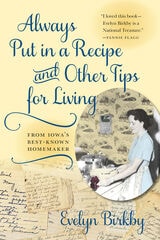
Always Put in a Recipe and Other Tips for Living from Iowa's Best-Known Homemaker
Evelyn Birkby
University of Iowa Press, 2012
Tales of separating cream on the back porch at Cottonwood Farm, raising a teddy bear of a puppy in addition to a menagerie of other animals, surviving an endless procession of Cub and Boy Scouts, appreciating a little boy’s need to take his toy tractor to church, blowing out eggs to make an Easter egg tree, shopping for bargains on the day before Christmas, camping in a converted Model T “house car,” and adjusting to the fact of one’s tenth decade of existence all merge to form a world composed of kindness and wisdom with just enough humor to keep it grounded. Recipes for such fare as Evelyn’s signature Hay Hand Rolls prove that the young woman who was daunted by her editor’s advice to “put in a recipe every week” became a talented cook. Each of the more than eighty columns in this warmhearted collection celebrates not a bygone era tinged with sentimentality but a continuing tradition of neighborliness, Midwest-nice and Midwest-sensible.
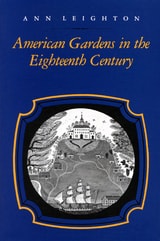
American Gardens in the Eighteenth Century
"For Use or for Delight"Ann Leighton
University of Massachusetts Press, 1976
American Gardens in the Eighteenth Century is the second of three authoritative volumes of garden history by Ann Leighton. This entertaining book focuses on eighteenth-century gardens and gardening. Leighton's material for the book was drawn from letters, journals, invoices, and books of men and women who were interested in the plants of the New and Old World. Throughout the book are illustrations and descriptive listings of native and new plants that were cultivated during the eighteenth century.
Companion volumes by Ann Leighton
Early American Gardens “For Meate or Medicine”
American Gardens of the Nineteenth Century “For Comfort and Affluence”
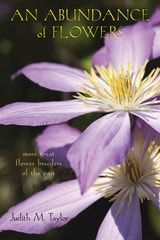
An Abundance of Flowers
More Great Flower Breeders of the PastJudith M. Taylor
Ohio University Press, 2018
Walk into any nursery, florist, or supermarket, and you’ll encounter displays of dozens of gorgeous flowers, from chrysanthemums to orchids. At one time these fanciful blooms were the rare trophies of the rich and influential—even the carnation, today thought of as one of the humblest cut flowers. Every blossom we take for granted now is the product of painstaking and imaginative planning, breeding, horticultural ingenuity, and sometimes chance. The personalities of the breeders, from an Indiana farmer to Admiral Lord Gambier’s gardener, were as various and compelling as the beauty they conjured from skilled hybridization.
In Visions of Loveliness: Great Flower Breeders of the Past, Judith Taylor wrote engagingly about the vivid history and characters behind eighteen types of popular flowers. In this companion volume she uncovers information about another eight familiar flowers: poinsettias, chrysanthemums, gladioli, pansies, carnations, water lilies, clematis, and penstemons.
Taylor has tapped into an enormous trove of stories about extraordinary people with vision and skill who added to our enjoyment piece by piece, starting about 150 years ago. This beautifully illustrated book will please flower enthusiasts, gardeners, and history buffs alike.