Results by title
74 books match the query 'Kenya' and 5 start with a
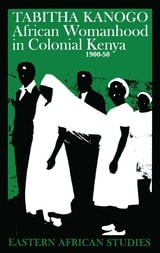
African Womanhood in Colonial Kenya, 1900–1950
1900-1950Tabitha Kanogo
Ohio University Press, 2000
This book explores the history of African womanhood in colonial Kenya. By focussing on key sociocultural institutions and practices around which the lives of women were organized, and on the protracted debates that surrounded these institutions and practices during the colonial period, it investigates the nature of indigenous, mission, and colonial control of African women.
The pertinent institutions and practices include the legal and cultural status of women, clitoridectomy, dowry, marriage, maternity and motherhood, and formal education. By following the effects of the all-pervasive ideological shifts that colonialism produced in the lives of women, the study investigates the diverse ways in which a woman’s personhood was enhanced, diminished, or placed in ambiguous predicaments by the consequences, intended and unintended, of colonial rule as administered by both the colonizers and the colonized. The study thus tries to historicize the reworkings of women’s lives under colonial rule. The transformations that resulted from these reworkings involved the negotiation and redefinition of the meaning of individual liberties and of women’s agency, along with the reconceptualization of kinship relations and of community.
These changes resulted in—and often resulted from—increased mobility for Kenyan women, who were enabled to cross physical, cultural, economic, social, and psychological frontiers that had been closed to them prior to colonial rule. The conclusion to which the experiences of women in colonial Kenya points again and again is that for these women, the exercise of individual agency, whether it was newly acquired or repeatedly thwarted, depended in large measure on the unleashing of forces over which no one involved had control. Over and over, women found opportunities to act amid the conflicting policies, unintended consequences, and inconsistent compromises that characterized colonial rule.
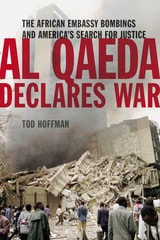
Al Qaeda Declares War
The African Embassy Bombings and America’s Search for JusticeTod Hoffman
University Press of New England, 2014
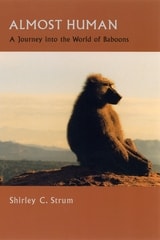
Almost Human
A Journey into the World of BaboonsShirley C. Strum
University of Chicago Press, 2001
Vividly written and filled with fascinating insights, Almost Human chronicles the first fifteen years of Strum's fieldwork with the Pumphouse Gang. From the first paragraph, the reader is drawn along with Strum into the world of the baboons, learning about the tragedies and triumphs of their daily lives—and the lives of the scientists studying them. This edition includes a new introduction and epilogue that place Strum's research in the context of the current global conservation crisis and tell us what has happened to the Pumphouse Gang since the book was first published.
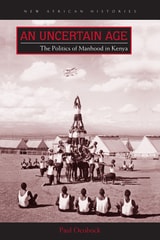
An Uncertain Age
The Politics of Manhood in KenyaPaul Ocobock
Ohio University Press, 2017
In twentieth-century Kenya, age and gender were powerful cultural and political forces that animated household and generational relationships. They also shaped East Africans’ contact with and influence on emergent colonial and global ideas about age and masculinity. Kenyan men and boys came of age achieving their manhood through changing rites of passage and access to new outlets such as town life, crime, anticolonial violence, and nationalism. And as they did, the colonial government appropriated masculinity and maturity as means of statecraft and control.
In An Uncertain Age, Paul Ocobock positions age and gender at the heart of everyday life and state building in Kenya. He excavates in unprecedented ways how the evolving concept of “youth” motivated and energized colonial power and the movements against it, exploring the masculinities boys and young men debated and performed as they crisscrossed the colony in search of wages or took the Mau Mau oath. Yet he also considers how British officials’ own ideas about masculinity shaped not only young African men’s ideas about manhood but the very nature of colonial rule.
An Uncertain Age joins a growing number of histories that have begun to break down monolithic male identities to push the historiographies of Kenya and empire into new territory.
Architecture of Migration
The Dadaab Refugee Camps and Humanitarian SettlementAnooradha Iyer Siddiqi
Duke University Press, 2024