Results by title
76 books match the query 'Educational change' and 2 start with b
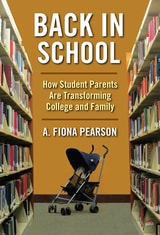
Back in School
How Student Parents Are Transforming College and FamilyA. Fiona Pearson
Rutgers University Press, 2019
Fifty years ago, students who were parents were a rarity in college classrooms, but by the beginning of the twenty-first century, over a quarter of all undergraduate students were parents. In Back in School, A. Fiona Pearson explores how these student parents navigate cultural norms and institutional resources, forging pathways as they journey to become better parents and successful students. Back in School examines how policy makers, professors, college administrators, counselors, and social workers provide or deny access to child care, tutoring, financial aid, or other campus- or community-based resources. Pearson further explores how social norms and governmental and organizational policies influence access to these resources and student parents’ experiences on campus and at home.
[more]
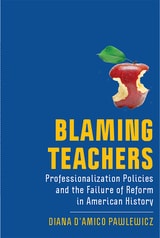
Blaming Teachers
Professionalization Policies and the Failure of Reform in American HistoryDiana D'Amico Pawlewicz
Rutgers University Press, 2020
Winner of the 2021 Society of Professors of Education Outstanding Book Award
Historically, Americans of all stripes have concurred that teachers were essential to the success of the public schools and nation. However, they have also concurred that public school teachers were to blame for the failures of the schools and identified professionalization as a panacea.
In Blaming Teachers, Diana D'Amico Pawlewicz reveals that historical professionalization reforms subverted public school teachers’ professional legitimacy. Superficially, professionalism connotes authority, expertise, and status. Professionalization for teachers never unfolded this way; rather, it was a policy process fueled by blame where others identified teachers’ shortcomings. Policymakers, school leaders, and others understood professionalization measures for teachers as efficient ways to bolster the growing bureaucratic order of the public schools through regulation and standardization. Beginning in the mid-nineteenth century with the rise of municipal public school systems and reaching into the 1980s, Blaming Teachers traces the history of professionalization policies and the discourses of blame that sustained them.
[more]