Results by title
87 books match the query 'Emotions' and 2 start with b

Blush
Faces of ShameElspeth Probyn
University of Minnesota Press, 2005
With the rise of pride - national pride, gay pride, black pride, fat pride - shame, the "sickness of the soul," has acquired a bad reputation. While the repudiation of some forms and consequences of societal shame are undoubtedly necessary, Elspeth Probyn contends that this emotion is a powerful resource in rethinking who we are and who we want to be. When we blush, we are driven to question what we value about ourselves and why. Blush argues that we are all born with a capacity for shame, much as we are born with the capacity for anger or pride, and that shame, like these other emotions, can be good for us and reveal the good in us. Painfully introspective, shame demands that we question our actions and our relationship to others. Shame's physical manifestation - the blush - gives us away, connecting us to our humanity. What shames us says a great deal about our character as individuals and as a society, about our past and our desires for the future. Written in an engaging and personal style, Blush combines psychology and cultural criticism, sociology and popular science, to present a unique perspective on debates about the ethics and emotion of identity.
[more]
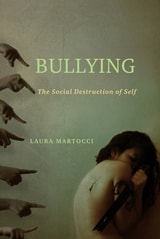
Bullying
The Social Destruction of SelfLaura Martocci
Temple University Press, 2015
In her forceful social history, Bullying, Laura Martocci explores the “bully culture” that has claimed national attention since the late 1990s.
Moving beyond the identification of aggressive behaviors to an analysis of how and why we have arrived at a culture that thrives on humiliation, she critiques the social forces that gave rise to, and help maintain, bullying. Martocci’s analysis of gossip, laughter, stereotyping, and competition—dynamics that foment bullying and prompt responses of shame, violence, and depression—is positioned within a larger social narrative: the means by which we negotiate damaged social bonds and the role that bystanders play in the possibility of atonement, forgiveness, and redemption.
Martocci’s fresh perspective on bullying positions shame as pivotal. She urges us to acknowledge the pain and confusion caused by social disgrace; to understand its social, psychological, and neurological nature; and to address it through narratives of loss, grief, and redemption—cultural supports that are already in place.
[more]