Results by title
51 books match the query 'Cultural Politics' and 2 start with d
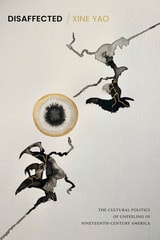
Disaffected
The Cultural Politics of Unfeeling in Nineteenth-Century AmericaXine Yao
Duke University Press, 2021
Duke University Press Scholars of Color First Book Award recipient
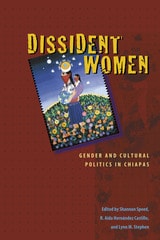
Dissident Women
Gender and Cultural Politics in ChiapasEdited by Shannon Speed, R. Aída Hernández Castillo, and Lynn M. Stephen
University of Texas Press, 2006
Yielding pivotal new perspectives on the indigenous women of Mexico, Dissident Women: Gender and Cultural Politics in Chiapas presents a diverse collection of voices exploring the human rights and gender issues that gained international attention after the first public appearance of the Zapatista National Liberation Army (EZLN) in 1994.
Drawing from studies on topics ranging from the daily life of Zapatista women to the effect of transnational indigenous women in tipping geopolitical scales, the contributors explore both the personal and global implications of indigenous women's activism. The Zapatista movement and the Women's Revolutionary Law, a charter that came to have tremendous symbolic importance for thousands of indigenous women, created the potential for renegotiating gender roles in Zapatista communities. Drawing on the original research of scholars with long-term field experience in a range of Mayan communities in Chiapas and featuring several key documents written by indigenous women articulating their vision, Dissident Women brings fresh insight to the revolutionary crossroads at which Chiapas stands—and to the worldwide implications of this economic and political microcosm.