Results by title
59 books match the query 'Drugs' and 5 start with d
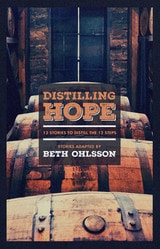
Distilling Hope
12 Stories to Distill the 12 StepsBeth Ohlsson
Parkhurst Brothers, Inc., 2017
“Old stories are universal and want to be told. To bring those stories out into the world as a vehicle for navigating sobriety and recovery is a glorious thing.
I was hired to be an addictions counselor for the therapeutic community at the Frederick County Adult Detention Center. Susan Gordon encouraged me to tell them stories. I thought she was crazy, but I trusted her judgment and told them stories. The impact those stories had on those men changed my life. I worked in addictions for 15 years, taking those stories with me to very agency in which I worked. The women at the Center 4 Clean Start in Salisbury, MD were every bit as receptive to story as the men who were in jail.”
--Beth Ohlsson

Drugs for Life
How Pharmaceutical Companies Define Our HealthJoseph Dumit
Duke University Press, 2012

Drugs in Afghanistan
Opium, Outlaws and Scorpion TalesDavid Macdonald
Pluto Press, 2007
Afghanistan is the world's largest producer of opium and heroin. This book explores the devastating impact that the drugs trade has had on the Afghan people.
Author David Macdonald has worked as a drugs advisor to the UN. Based on his extensive experience, this book breaks down the myths surrounding the cultivation and consumption of drugs, providing a detailed analysis of the history of drug use within the country. He examines the impact of over 25 years of continuous conflict, and shows how poverty and instability has led to an increase in drugs consumption. He also considers the recent rise in the use of pharmaceutical drugs, resulting in dangerous chemical cocktails and analyses the effect of Afghanistan's drug trade on neighbouring countries.
Drugs, Labor and Colonial Expansion
William Jankowiak
University of Arizona Press, 2003
This book explores how Europeans introduced and used drugs in colonial contexts for the exploitation and placation of indigenous labor. Combining history and anthropology, it examines the role of drugs in trade and labor during the age of western colonial expansion. From considering the introduction of alcohol in the West African slave trade to the use of coca as a labor enhancer in the Andes, these original contributions examine both the encouragement of drug use by colonial powers and the extent to which local peoples' previous experience with psychoactive substances shaped their use of drugs introduced by Europeans.
The authors show that drugs possessed characteristics that made them a particularly effective means for propagating trade or increasing the extent and intensity of labor. In the early stages of European expansion, drugs were introduced to draw people, quite literally, into relations of dependency with European trade partners. Over time, the drugs used to intensify the amount and duration of labor shifted from alcohol, opium, and marijuana—which were used to overcome the drudgery and discomfort of physical labor—to caffeine-based stimulants, which provided a more alert workforce.
Valuable not only for its ethnographic detail but also for its broader insight into the nature of capitalist expansion, this collection reveals the surprising consistency of drug use in the colonial process. Drugs, Labor and Colonial Expansion is a book rich with cross-cultural insights that ranges widely across disciplines to provide a new and needed look at the colonial experience.
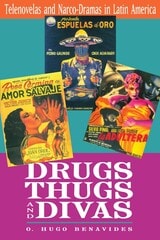
Drugs, Thugs, and Divas
Telenovelas and Narco-Dramas in Latin AmericaBy O. Hugo Benavides
University of Texas Press, 2008
Soap opera speaks a universal language, presenting characters and plots that resonate far beyond the culture that creates them. Latin American soap operas—telenovelas—have found enthusiastic audiences throughout the Americas and Europe, as well as in Egypt, Russia, and China, while Mexican narco-dramas have become highly popular among Latinos in the United States. In this first comprehensive analysis of telenovelas and narco-dramas, Hugo Benavides assesses the dynamic role of melodrama in creating meaningful cultural images to explain why these genres have become so successful while more elite cultural productions are declining in popularity.
Benavides offers close readings of the Colombian telenovelas Betty la fea (along with its Mexican and U.S. reincarnations La fea más bella and Ugly Betty), Adrián está de visita, and Pasión de gavilanes; the Brazilian historical telenovela Xica; and a variety of Mexican narco-drama films. Situating these melodramas within concrete historical developments in Latin America, he shows how telenovelas and narco-dramas serve to unite peoples of various countries and provide a voice of rebellion against often-oppressive governmental systems. Indeed, Benavides concludes that as one of the most effective and lucrative industries in Latin America, telenovelas and narco-dramas play a key role in the ongoing reconfiguration of social identities and popular culture.