Results by title
155 books match the query 'Indians of South America' and 5 start with d
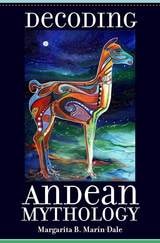
Decoding Andean Mythology
Margarita Marín-Dale
University of Utah Press, 2016
Decoding Andean Mythology is a comprehensive analysis of Native Andean oral tradition spanning five centuries. Based on twenty years of research and a wide range of scholarship, this book departs from the Cuzco-centered focus of many published Andean narratives and includes myths, stories, and folktales from diverse regions and ethnic groups. Among them are full translations of thirty-two ancient and modern Native Andean stories. Colorful illustrations and a comprehensive glossary of Quechua, Aymara, and Spanish loan words supplement the text.
In an accessible and engaging discussion suitable for students, the author explores a number of recurring themes and characters in Andean stories. These include shape-shifting animals, the inversion of time-space (pachacuti), anthropomorphic and supernatural beings, and conflicting attitudes toward sexuality. The text also presents a fresh perspective on traditional, non-Western concepts such as huacas (sacred objects and places), suggesting some act as portals or mediating spaces between the natural and supernatural worlds. Of particular significance for current events is a lengthy chapter on social protest, explaining the rise of indigenous movements in the Andes and highlighting the contemporary use of Native Andean folktales as an avenue for social and political dissent.
Winner of the 2018 Wayland D. Hand Prize by the American Folklore Society.
Decolonizing the Sodomite
Queer Tropes of Sexuality in Colonial Andean CultureBy Michael J. Horswell
University of Texas Press, 2006
Early Andean historiography reveals a subaltern history of indigenous gender and sexuality that saw masculinity and femininity not as essential absolutes. Third-gender ritualists, Ipas, mediated between the masculine and feminine spheres of culture in important ceremonies and were recorded in fragments of myths and transcribed oral accounts. Ritual performance by cross-dressed men symbolically created a third space of mediation that invoked the mythic androgyne of the pre-Hispanic Andes. The missionaries and civil authorities colonizing the Andes deemed these performances transgressive and sodomitical.
In this book, Michael J. Horswell examines alternative gender and sexuality in the colonial Andean world, and uses the concept of the third gender to reconsider some fundamental paradigms of Andean culture. By deconstructing what literary tropes of sexuality reveal about Andean pre-Hispanic and colonial indigenous culture, he provides an alternative history and interpretation of the much-maligned aboriginal subjects the Spanish often referred to as "sodomites." Horswell traces the origin of the dominant tropes of masculinist sexuality from canonical medieval texts to early modern Spanish secular and moralist literature produced in the context of material persecution of effeminates and sodomites in Spain. These values traveled to the Andes and were used as powerful rhetorical weapons in the struggle to justify the conquest of the Incas.
Domestic Architecture In Andes
Mark S. Aldenderfer
University of Iowa Press, 1993
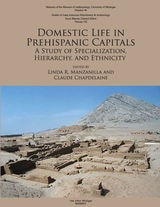
Domestic Life in Prehispanic Capitals
A Study of Specialization, Hierarchy, and EthnicityEdited by Linda R. Manzanilla and Claude Chapdelaine
University of Michigan Press, 2009
Domination and Cultural Resistance
Authority and Power Among an Andean PeopleRoger Neil Rasnake
Duke University Press, 1988