Results by title
70 books match the query 'Rock music' and 3 start with f
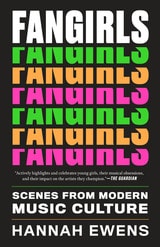
Fangirls
Scenes from Modern Music CultureBy Hannah Ewens
University of Texas Press, 2020
"To be a fan is to scream alone together." This is the discovery Hannah Ewens makes in Fangirls: how music fandom is at once a journey of self-definition and a conduit for connection and camaraderie; how it is both complicated and empowering; and how now, more than ever, fandoms composed of girls and young queer people create cultures that shape and change an entire industry.
This book is about what it means to be a fangirl.
Speaking to hundreds of fans from the UK, US, Europe, and Japan, Ewens tells the story of music fandom using its own voices, recounting previously untold or glossed-over scenes from modern pop and rock music history. In doing so, she uncovers the importance of fan devotion: how Ariana Grande represents both tragedy and resilience to her followers, or what it means to meet an artist like Lady Gaga in person. From One Directioners, to members of the Beyhive, to the author's own fandom experiences, this book reclaims the "fangirl" label for its young members, celebrating their purpose, their power, and, most of all, their passion for the music they love.
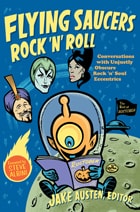
Flying Saucers Rock 'n' Roll
Conversations with Unjustly Obscure Rock 'n' Soul EccentricsJake Austen, ed.
Duke University Press, 2011
Contributors
Steve Albini
Ben Austen
Jake Austen
John Battles
Bosco
Ken Burke
Mike Maltese
King Merinuk
Ken Mottet
Jonathan Poletti
James Porter
"Colonel" Dan Sorenson
Jacqueline Stewart
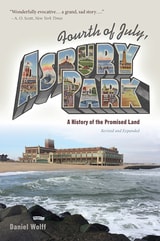
Fourth of July, Asbury Park
A History of the Promised LandDaniel Wolff
Rutgers University Press, 2022
Fourth of July, Asbury Park tells the tale of the city’s first 150 years, guiding us through the development of its lavish amusement parks and bandstands, as well as the decay of its working-class neighborhoods and spread of its racially-segregated ghettos. Featuring exclusive interviews with Springsteen and other prominent Asbury Park residents, Daniel Wolff uncovers the history of how this Jersey shore resort town came to epitomize both the promises of the American dream and the tragic consequences when those promises are broken.
Hailed by The New York Times as a “wonderfully evocative…grand, sad story” when first published in 2006, this revised and expanded edition considers how Asbury Park has changed in the twenty-first century, experiencing both gentrification and new forms of segregation.