129 books match the query 'Press coverage' and 3 start with g

cover of Gender Violence and the Press: The St. Kizito Story

Gender Violence and the Press

The St. Kizito Story

H. Leslie Steeves

Ohio University Press, 1997
On the night of Saturday, July 13, 1991, a mob of male students at the St. Kizito Mixed Secondary School in Meru, Kenya, attacked their female classmates in a dormitory. Nineteen schoolgirls were killed in the melee and more than 70 were raped or gang raped. The explanations in the press for the attack included a rebellion by male students over administrative mismanagement, academic stress, cultural norms for the Meru ethnic group, and victim characteristics (as assumed in rape myths). Rape had been tolerated at the school, according to press accounts. Dr. Steeves studied all stories published in three Nairobi daily newspapers and a weekly Kenyan newsmagazine for the year following the crime. She also examined a sampling of international reports. Her qualitative analysis sought to identify “framing patterns” supportive of patriarchal or of feminist ideologies of rape, and the ways in which those patterns have been affected by news values and traditions. Gender Violence and the Press shows how media discourse may allow space for feminist interests within the dominant patriarchal ideology. In this instance, the appearance of resistant views was significant in making alternative meanings available and in supporting women’s growing anti-violence activism.
[more]
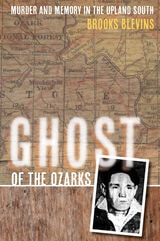
cover of Ghost of the Ozarks: Murder and Memory in the Upland South

Ghost of the Ozarks

Murder and Memory in the Upland South

Brooks Blevins

University of Illinois Press, 2012

In 1929, in a remote county of the Arkansas Ozarks, the gruesome murder of harmonica-playing drifter Connie Franklin and the brutal rape of his teenaged fiancée captured the attention of a nation on the cusp of the Great Depression. National press from coast to coast ran stories of the sensational exploits of night-riding moonshiners, powerful "Barons of the Hills," and a world of feudal oppression in the isolation of the rugged Ozarks. The ensuing arrest of five local men for both crimes and the confusion and superstition surrounding the trial and conviction gave Stone County a dubious and short-lived notoriety.
 
Closely examining how the story and its regional setting were interpreted by the media, Brooks Blevins recounts the gripping events of the murder investigation and trial, where a man claiming to be the murder victim--the "Ghost" of the Ozarks--appeared to testify. Local conditions in Stone County, which had no electricity and only one long-distance telephone line, frustrated the dozen or more reporters who found their way to the rural Ozarks, and the developments following the arrests often prompted reporters' caricatures of the region: accusations of imposture and insanity, revelations of hidden pasts and assumed names, and threats of widespread violence. Locating the past squarely within the major currents of American history, Ghost of the Ozarks: Murder and Memory in the Upland South paints a convincing backdrop to a story that, more than 80 years later, remains riddled with mystery.
[more]
cover of Green Ink

Green Ink

Michael Frome

University of Utah Press, 1998

Michael Frome, who began his distinguished career in environmental journalism in the 1960s, has been called the dean of American conservation. As former Senator Gaylord Nelson once told the members of Congress, "No writer in America has more persistently and effectively argued for the need of a national ethics of environmental stewardship."

In Green Ink: An Introduction to Environmental Journalism, Frome has forged decades of experience in the field he helped pioneer into a valuable primer for environmental advocates and writers. This appealing blend of anecdote, advice, personal testimony, and a nuts and bolts instruction offers a thorough survey of rewards and challenges that environmental studies students might expect to encounter on along their chosen career paths. In addition to the extraordinary contributions made by "marquis" names such as Rachel Carson and Bernard DeVoto, Frome recounts the remarkable stories of a host of other writer-advocates and their largely unsung roles in investigating and publicizing environmental problems and abuses.


[more]