Results by title
94 books match the query 'Techniques' and 3 start with g
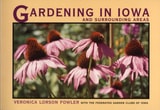
Gardening in Iowa and Surrounding Areas
Veronica Lorson Fowler
University of Iowa Press, 1997
On the East Coast, so the story goes, newcomers are asked where they come from; on the West Coast they are asked what they do for a living; in Iowa people ask them, “How's your garden doing?” Maybe this is not a true story, but it does epitomize the importance of gardening for Iowans, blessed as they are with the rich glacial soil so hospitable to corn and soybeans. Rural and urban Iowans alike start planning next summer's garden in midwinter, when their plots are still snow-covered and deep-frozen; by state fair time their trees, shrubs, vegetables—including the ubiquitous zucchini—and flowers are thriving. Veronica Fowler's month-by-month guide to gardening in Iowa is a concise, valuable resource for all novice and experienced gardeners.
Beginning in January, Fowler presents a monthly checklist to allow gardeners to prioritize seasonal tasks. Her winter chapters focus on garden design, cold-weather gardening, and starting plants from seeds; in spring she moves into soil preparation, shopping for plants, wildflower and rose cultivation, and lawn care basics; summer brings landscaping, flowers for cutting, and organic gardening; and fall involves cold frames, winter-harvest vegetables, forcing bulbs and perennials, trees and shrubs, and ground covers and vines best suited for Iowa's climate as well as information on mail-order suppliers, gardens to visit, where to go for help, and garden club memberships. Tips from some of the more than two thousand members of the Federated Garden Clubs of Iowa round out this plentiful harvest of useful advice.
On a day in February when the wind chill is, well, chilling and the forecast calls for more of the same, the arrival of the first garden catalog of the season brings warmth to any gardener. Veronica Fowler's accessible, information-packed book will become part of every gardener's life both indoors and out.

Gerard de Lairesse and his Painted Heavens
Iconography, Style and Technique in the Art of Ceiling PaintingMargriet van Eikema Hommes
Amsterdam University Press, 2026
In this book, Margriet van Eikema Hommes, in search of an explanation for this ceiling painting’s intriguing origins, investigates its meaning and purpose. The painter and his patron prove to have been jointly responsible for the iconography, which they repeatedly updated to reflect military and political events in the Disaster Year and the dramatic twists of fate in De Graeff’s own life.
This beautifully illustrated book not only situates the work within its cultural and historical context but also offers an in-depth examination of Lairesse’s painting technique and the way he meticulously designed his ceiling pieces in close dialogue with the architecture of the room.
Gerard de Lairesse and his Painted Heavens
Iconography, Style and Technique in the Art of Ceiling PaintingLynne Richards
Amsterdam University Press, 2027
In this book, Margriet van Eikema Hommes, in search of an explanation for this ceiling painting’s intriguing origins, investigates its meaning and purpose. The painter and his patron prove to have been jointly responsible for the iconography, which they repeatedly updated to reflect military and political events in the Disaster Year and the dramatic twists of fate in De Graeff’s own life.
This beautifully illustrated book not only situates the work within its cultural and historical context but also offers an in-depth examination of Lairesse’s painting technique and the way he meticulously designed his ceiling pieces in close dialogue with the architecture of the room.