Results by title
204 books match the query 'Direction & Production' and 3 start with h
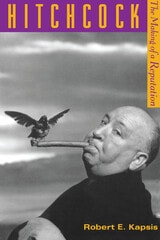
Hitchcock
The Making of a ReputationRobert E. Kapsis
University of Chicago Press, 1992
From the beginning of his career, Alfred Hitchcock wanted to be considered an artist. Although his thrillers were immensely popular, and Hitchcock himself courted reviewers, he was, for many years, regarded as no more than a master craftsman. By the 1960s, though, critics began calling him an artist of unique vision and gifts. What happened to make Hitchcock's reputation as a true innovator and singular talent?
Through a close examination of Hitchcock's personal papers, scripts, production notes, publicity files, correspondence, and hundreds of British and American reviews, Robert Kapsis here traces Hitchcock's changing critical fortunes. Vertigo, for instance, was considered a flawed film when first released; today it is viewed by many as the signal achievement of a great director. According to Kapsis, this dramatic change occurred because the making of the Hitchcock legend was not solely dependent on the quality of his films. Rather, his elevation to artist was caused by a successful blending of self-promotion, sponsorship by prominent members of the film community, and, most important, changes in critical theory which for the first time allowed for the idea of director as auteur.
Kapsis also examines the careers of several other filmmakers who, like Hitchcock, have managed to cross the line that separates craftsman from artist, and shows how Hitchcock's legacy and reputation shed light on the way contemporary reputations are made. In a chapter about Brian De Palma, the most reknowned thriller director since Hitchcock, Kapsis explores how Hitchcock's legacy has affected contemporary work in—and criticism of—the thriller genre.
Filled with fascinating anecdotes and intriguing excerpts, and augmented by interviews with Hitchcock's associates, this thoroughly documented and engagingly written book will appeal to scholars and film enthusiasts alike.
"Required reading for Hitchcock scholars...scrupulously researched, invaluable material for those who continue to ask: what made the master tick?"—Anthony Perkins
[more]
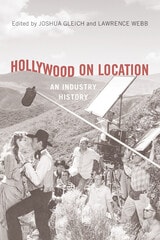
Hollywood on Location
An Industry HistoryGleich, Joshua
Rutgers University Press, 2019
Location shooting has always been a vital counterpart to soundstage production, and at times, the primary form of Hollywood filmmaking. But until now, the industrial and artistic development of this production practice has been scattered across the margins of larger American film histories. Hollywood on Location is the first comprehensive history of location shooting in the American film industry, showing how this mode of filmmaking changed Hollywood business practices, production strategies, and visual style from the silent era to the present. The contributors explore how location filmmaking supplemented and later, supplanted production on the studio lots. Drawing on archival research and in-depth case studies, the seven contributors show how location shooting expanded the geography of American film production, from city streets and rural landscapes to far-flung territories overseas, invoking a new set of creative, financial, technical, and logistical challenges. Whereas studio filmmaking sought to recreate nature, location shooting sought to master it, finding new production values and production economies that reshaped Hollywood’s modus operandi.
[more]
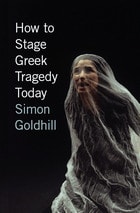
How to Stage Greek Tragedy Today
Simon Goldhill
University of Chicago Press, 2007
From the stages of Broadway and London to university campuses, Paris, and the bourgeoning theaters of Africa, Greek tragedy remains constantly in production. This global revival, in addition to delighting audiences, has highlighted both the promise and the pitfalls of staging ancient masterpieces in the modern age. Addressing the issues and challenges these performances pose, renowned classicist Simon Goldhill responds here to the growing demand for a comprehensive guide to staging Greek tragedy today.
In crisp and spirited prose, Goldhill explains how Aeschylus, Euripides, and Sophocles conceived their works in performance and then summarizes everything we know about how their tragedies were actually staged. The heart of his book tackles the six major problems facing any company performing these works today: the staging space and concept of the play; the use of the chorus; the actor’s role in an unfamiliar style of performance; the place of politics in tragedy; the question of translation; and the treatment of gods, monsters, and other strange characters of the ancient world. Outlining exactly what makes each of these issues such a pressing difficulty for modern companies, Goldhill provides insightful solutions drawn from his nimble analyses of some of the best recent productions in the United States, Britain, and Continental Europe.
One of the few experts on both Greek tragedy and contemporary performance, Goldhill uses his unique background and prodigious literary skill to illuminate brilliantly what makes tragedy at once so exciting and so tricky to get right. The result will inspire and enlighten all directors and performers—not to mention the growing audiences—of ancient Greek theater.
[more]