Results by title
88 books match the query 'Lawyers' and 2 start with h
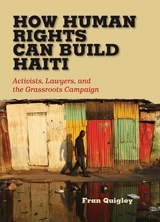
How Human Rights Can Build Haiti
Activists, Lawyers, and the Grassroots CampaignFran Quigley
Vanderbilt University Press, 2014
The only way to transform Haiti's dismal human rights legacy is through a bottom-up social movement, supported by local and international challenges to the status quo. That recipe for reform mirrors the strategy followed by Mario Joseph, Brian Concannon, and their clients and colleagues profiled in this book. Together, Joseph, Concannon, and their allies represent Haiti's best hope to escape the cycle of disaster, corruption, and violence that has characterized the country's two-hundred-year history. At the same time, their efforts are creating a template for a new and more effective human rights-focused strategy to turn around failed states and end global poverty.
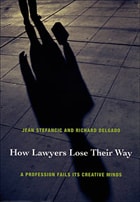
How Lawyers Lose Their Way
A Profession Fails Its Creative MindsJean Stefancic and Richard Delgado
Duke University Press, 2005
Stefancic and Delgado dramatize the plight of modern lawyers by exploring the unlikely friendship between Archibald MacLeish, who gave up a successful but unsatisfying law career to pursue his literary yearnings, and Ezra Pound. Reading the forty-year correspondence between MacLeish and Pound, Stefancic and Delgado draw lessons about the difficulties of attorneys trapped in worlds that give them power, prestige, and affluence but not personal satisfaction, much less creative fulfillment. Long after Pound had embraced fascism, descended into lunacy, and been institutionalized, MacLeish took up his old mentor’s cause, turning his own lack of fulfillment with the law into a meaningful crusade and ultimately securing Pound’s release from St. Elizabeths Hospital. Drawing on MacLeish’s story, Stefancic and Delgado contend that literature, public interest work, and critical legal theory offer tools to contemporary attorneys for finding meaning and overcoming professional dissatisfaction.