Results by title
167 books match the query 'Masculinity' and 2 start with h
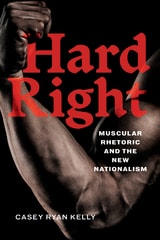
Hard Right
Muscular Rhetoric and the New NationalismCasey Ryan Kelly
The Ohio State University Press, 2026
A groundbreaking examination of far-right rhetoric around fitness and the human body and how such rhetoric serves white nationalist, masculinist aims.
In recent years, far-right, white-nationalist groups in the US have churned out streams of discourse glorifying “muscularity” as the ideal masculine form. This preoccupation with physical fitness—along with expressed fears of declining testosterone levels in men, race-mixing, and transgender women—all reveal the masculine bodily fantasies and anxieties that underwrite the political unconscious of the far right. In Hard Right, Casey Ryan Kelly examines the link between extreme fitness culture and fascist organizations, arguing that the human body operates as a privileged signifier of national belonging in the rhetoric of the far right.
Drawing from psychoanalytic theory, Kelly shows that far-right rhetoric constructs fantasies of recovering the “natural” or primal masculine body. These fantasies are frequently accompanied by anxieties about “soft,” disabled, and ambiguously gendered bodies, all of which are seen as signs of degeneracy that must be transformed, exiled, or eradicated for the sake of national and racial health. Through its examination of “Red Pill” fitness influencers, “bro science” conspiracy theories, far-right podcasts, and more, Hard Right ultimately shows how the cultural logics of men’s health and physical fitness converge with the political logics of white nationalism and late fascism.
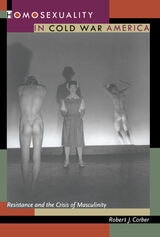
Homosexuality in Cold War America
Resistance and the Crisis of MasculinityRobert J. Corber
Duke University Press, 1997
By exploring the representation of gay men in film noir, Corber suggests that even as this Hollywood genre reinforced homophobic stereotypes, it legitimized the gay male "gaze." He emphasizes how film noir’s introduction of homosexual characters countered the national "project" to render gay men invisible, and marked a deep subversion of the Cold War mentality. Corber then considers the work of gay male writers Tennessee Williams, Gore Vidal, and James Baldwin, demonstrating how these authors declined to represent homosexuality as a discrete subculture and instead promoted a model of political solidarity rooted in the shared experience of oppression. Homosexuality in Cold War America reveals that the ideological critique of the dominant culture made by gay male authors of the 1950s laid the foundation for the gay liberation movement of the following decade.