763 books match the query 'Immigration & Emigration' and 68 start with i

cover of I Know It’s Dangerous: Why Mexicans Risk Their Lives to Cross the Border

I Know It’s Dangerous

Why Mexicans Risk Their Lives to Cross the Border

Lynnaire M. Sheridan

University of Arizona Press, 2009

Migration from Mexico to the United States has become an increasingly volatile topic. The news is filled with stories of deaths, protests, and amnesty debates. With the constant buzz about migration in the political, economic, and legal spheres, the migrants themselves easily become a de-humanized multitude. “I Know It’s Dangerous”: Why Mexicans Risk Their Lives to Cross the Border strives to put a human face on the issue of migration and effectively turns the statistics we hear so often into individuals with real lives, needs, and desires.

As an Australian national, Lynnaire Sheridan brings a refreshingly neutral voice to this hot-button topic. With data gathered over two years of living in Baja California, Mexico, Sheridan draws out individual stories, motivations, and conceptions of risk that ultimately allow us a deeper understanding of migration. Sheridan enriches the migrants’ stories with examinations of popular songs, graffiti art on the border, analyses of newspaper articles, and in-depth interviews with migrants. Together these narratives show us that risk has become a strong motivating factor for migrants and that stricter border policies have not necessarily stemmed the rates of migration; they have merely changed how people migrate.

Sheridan’s findings have broad implications for both those interested in migration from Mexico to the United States and international migration scholars. This book will appeal to a range of disciplines in the humanities, from anthropology and criminology to art and ethnic studies. It will also resonate among legal professionals, policy makers, and social workers.

While numerous books have focused on the act of migration and its ripples across both the United States and Mexico, this book is unique in its attention to migrants in Mexico and its ability to draw out their individual stories.
[more]
cover of I'm Neither Here nor There: Mexicans' Quotidian Struggles with Migration and Poverty

I'm Neither Here nor There

Mexicans' Quotidian Struggles with Migration and Poverty

Patricia Zavella

Duke University Press, 2011

I’m Neither Here nor There explores how immigration influences the construction of family, identity, and community among Mexican Americans and migrants from Mexico. Based on long-term ethnographic research, Patricia Zavella describes how poor and working-class Mexican Americans and migrants to California’s central coast struggle for agency amid the region’s deteriorating economic conditions and the rise of racial nativism in the United States. Zavella also examines tensions within the Mexican diaspora based on differences in legal status, generation, gender, sexuality, and language. She proposes “peripheral vision” to describe the sense of displacement and instability felt by Mexican Americans and Mexicans who migrate to the United States as well as by their family members in Mexico.

Drawing on close interactions with Mexicans on both sides of the border, Zavella examines migrant journeys to and within the United States, gendered racialization, and exploitation at workplaces, and the challenges that migrants face in forming and maintaining families. As she demonstrates, the desires of migrants to express their identities publicly and to establish a sense of cultural memory are realized partly through Latin American and Chicano protest music, and Mexican and indigenous folks songs played by musicians and cultural activists.
[more]
cover of Identity and the Second Generation: How Children of Immigrants Find Their Space

Identity and the Second Generation

How Children of Immigrants Find Their Space

Faith G. Nibbs

Vanderbilt University Press, 2015

Most recently, Americans have become familiar with the term "second generation" as it's applied to children of immigrants who now find themselves citizens of a nation built on the notion of assimilation. This common, worldwide experience is the topic of study in Identity and the Second Generation. These children test and explore the definition of citizenship and their cultural identity through the outlets provided by the Internet, social media, and local community support groups. All these factors complicate the ideas of boundaries and borders, of citizenship, and even of home. Indeed, the second generation is a global community and endeavors to make itself a home regardless of state or citizenship.

This book explores the social worlds of the children of immigrants. Based on rich ethnographic research, the contributors illustrate how these young people, the so-called second generation, construct and negotiate their lives. Ultimately, the driving question is profoundly important on a universal level: How do these young people construct an identity and a sense of belonging for themselves, and how do they deal with processes of inclusion and exclusion?
[more]
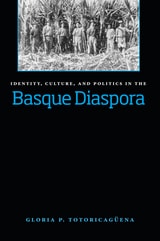
cover of Identity, Culture, And Politics In The Basque Diaspora

Identity, Culture, And Politics In The Basque Diaspora

Gloria Pilar Totoricagüena

University of Nevada Press, 2015

Gloria P. Totoricagüena presents a thorough comparative examination of the remarkable endurance of Basque identity and culture in six countries of the far-flung Basque diaspora. Using the results of interviews and extensive anonymous surveys with more than eight hundred informants in the diaspora, plus extensive research in archives and printed sources in all six of her study countries, Totoricagüena reveals for the first time the complex and interrelated universe of these dispersed Basques. She explores the elements of their migration patterns and the institutions that have encouraged identity maintenance, the impacts on established communities of each new wave of immigrants, and the nature of economic and political ties with the homeland.

Totoricagüena offers a superb quantitative study of an aspect of Basque culture that has been largely ignored by scholars—the diaspora. In doing so, she enlarges the understanding of cultural identity in general—how it is defined and preserved, how it evolves over time, and how both the politics of distant places and the most intimate family habits can shape an individual’s sense of self. Identity, Culture, and Politics in the Basque Diaspora is a major contribution to the knowledge of Basques and their persistent political and cultural traditions.
[more]
cover of If They Don't Bring Their Women Here: Chinese Female Immigration before Exclusion

If They Don't Bring Their Women Here

Chinese Female Immigration before Exclusion

George Anthony Peffer

University of Illinois Press, 1999

Seven years before the Chinese Exclusion Act of 1882, the Page Law sought to stem the tide of Chinese prostitutes entering the United States. Yet during these seven years, it was not just prostitutes but all Chinese females who encountered at best hostility and at worst expulsion when they reached the "Golden Door." 

George Anthony Peffer looks at enforcement of immigration laws to provide the first detailed account of Chinese American women's lives in the pre-exclusion era. Peffer documents the habeas corpus trials in which the wives and daughters of Chinese laborers were required to prove their status as legal immigrants or return to China. He also surveys the virulently anti-Chinese coverage of these trials and the issue of Chinese immigration received in California newspapers, confirming that Chinatown's prostitution industry so dominated the popular imagination as to render other classes of female immigrants all but invisible. 

Insightful and groundbreaking, If They Don't Bring Their Women Here amplifies the voices of Chinese immigrant women and establishes a place for them within the historiographic framework of Chinese American studies.
[more]
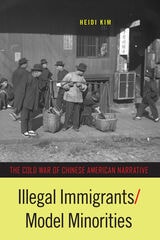
cover of Illegal Immigrants/Model Minorities: The Cold War of Chinese American Narrative

Illegal Immigrants/Model Minorities

The Cold War of Chinese American Narrative

Heidi Kim

Temple University Press, 2021

In the Cold War era, Chinese Americans were caught in a double-bind. The widespread stigma of illegal immigration, as it was often called, was most easily countered with the model minority, assimilating and forming nuclear families, but that in turn led to further stereotypes. In Illegal Immigrants/Model Minorities, Heidi Kim investigates how Chinese American writers navigated a strategy to normalize and justify the Chinese presence during a time when fears of Communism ran high.

Kim explores how writers like Maxine Hong Kingston, Jade Snow Wong, and C. Y. Lee, among others, addressed issues of history, family, blood purity, and law through then-groundbreaking novels and memoirs. Illegal Immigrants/Model Minorities also uses legal cases, immigration documents, and law as well as mass media coverage to illustrate how writers constructed stories in relation to the political structures that allowed or disallowed their presence, their citizenship, and their blended identity. 

Kim illuminates the rapidly shifting political and social pressures on Chinese American authors who selectively concealed, revealed, and reconstructed issues of citizenship, belonging, and inclusion in their writing.
[more]
cover of Illegal Migrations and the Huckleberry Finn Problem

Illegal Migrations and the Huckleberry Finn Problem

John S W Park

Temple University Press, 2013
Throughout American history, citizens have encountered people who are "illegal"-- that is, people who have no legal right to be in the United States or to freedom of movement because of their immigration status or race. Like Mark Twain's Huckleberry Finn, these citizens face the conflict between sympathy for the unlawful other and the force of the law. 
In Illegal Migrations and the Huckleberry Finn Problem, John Park explores problems of status and illegality in American law and society by examining on-going themes in American legal history, comparative ethnic studies, and American literature. He observes that in reconsidering racially discriminatory laws, Americans have celebrated persons who were "out of status," as well as the citizens who had helped them avoid American law. Similarly, in confronting illegal immigrants in our own time, many Americans have chosen to ignore or to violate federal laws in favor of assisting such persons. In light of these experiences, Park insists that the U.S. ought to rethink policies that have criminalized millions of immigrants, as the injustice of such rules has encouraged people to disobey the law, thereby undermining broader commitments to principles of equality and to the rule of law itself.
[more]
cover of Imaginary Lines: Border Enforcement and the Origins of Undocumented Immigration, 1882-1930

Imaginary Lines

Border Enforcement and the Origins of Undocumented Immigration, 1882-1930

By Patrick Ettinger

University of Texas Press, 2009

Southwest Book Award, Border Regional Library Association, 2011

Although popularly conceived as a relatively recent phenomenon, patterns of immigrant smuggling and undocumented entry across American land borders first emerged in the late nineteenth century. Ingenious smugglers and immigrants, long and remote boundary lines, and strong push-and-pull factors created porous borders then, much as they do now.

Historian Patrick Ettinger offers the first comprehensive historical study of evolving border enforcement efforts on American land borders at the turn of the twentieth century. He traces the origins of widespread immigrant smuggling and illicit entry on the northern and southern United States borders at a time when English, Irish, Chinese, Italian, Russian, Lebanese, Japanese, Greek, and, later, Mexican migrants created various "backdoors" into the United States. No other work looks so closely at the sweeping, if often ineffectual, innovations in federal border enforcement practices designed to stem these flows.

From upstate Maine to Puget Sound, from San Diego to the Lower Rio Grande Valley in Texas, federal officials struggled to adapt national immigration policies to challenging local conditions, all the while battling wits with resourceful smugglers and determined immigrants. In effect, the period saw the simultaneous "drawing" and "erasing" of the official border, and its gradual articulation and elaboration in the midst of consistently successful efforts to undermine it.

[more]
cover of Imagined Homes: Soviet German Immigrants in Two Cities

Imagined Homes

Soviet German Immigrants in Two Cities

Hans Werner

University of Manitoba Press, 2007
Imagined Homes: Soviet German Immigrants in Two Cities is a study of the social and cultural integration of two migrations of German speakers from Eastern Europe and the Soviet Union to Winnipeg, Canada in the late 1940s, and Bielefeld, Germany in the 1970s. Employing a cross-national comparative framework, Hans Werner reveals that the imagined trajectory of immigrant lives influenced the process of integration into a new urban environment. Winnipeg’s migrants chose a receiving society where they knew they would again be a minority group in a foreign country, while Bielefeld’s newcomers believed they were “going home” and were unprepared for the conflict between their imagined homeland and the realities of post-war Germany. Werner also shows that differences in the way the two receiving societies perceived immigrants, and the degree to which secularization and the sexual and media revolutions influenced these perceptions in the two cities, were crucially important in the immigrant experience.
[more]
cover of Imagined Liberation: Xenophobia, Citizenship, and Identity in South Africa, Germany, and Canada

Imagined Liberation

Xenophobia, Citizenship, and Identity in South Africa, Germany, and Canada

Heribert Adam

Temple University Press, 2015

On a spectrum of hostility towards migrants, South Africa ranks at the top, Germany in the middle and Canada at the bottom. South African xenophobic violence by impoverished slum dwellers is directed against fellow Africans. “Foreign” Africans are blamed for a high crime rate and most other maladies of an imagined liberation.

Why would a society that liberated itself in the name of human rights turn against people who escaped human rights violations or unlivable conditions at home? What happened to the expected African solidarity? Why do former victims become victimizers?

With porous borders, South Africa is incapable of upholding the blurred distinction between endangered refugees and economic migrants. Imagined Liberation asks what xenophobic societies can learn from other immigrant societies, such as Canada, that avoided the backlash against multiculturalism in Europe. Heribert Adam and Kogila Moodley stress an innovative teaching of political literacy that makes citizens aware as to why they hate.
[more]
cover of Immigrant Agency: Hmong American Movements and the Politics of Racialized Incorporation

Immigrant Agency

Hmong American Movements and the Politics of Racialized Incorporation

Yang Sao Xiong

Rutgers University Press, 2022
Through a sociological analysis of Hmong former refugees’ grassroots movements in the United States between the 1990s and 2000s, Immigrant Agency shows how Hmong, despite being one of America’s most economically impoverished ethnic groups, were able to make sustained claims on and have their interests represented in public policies. The author, Yang Sao Xiong argues that the key to understanding how immigrants incorporate themselves politically is to understand how they mobilize collective action and make choices in circumstances far from racially neutral. Immigrant groups, in response to political threats or opportunities or both, mobilize collective action and make strategic choices about how to position themselves vis-à-vis other minority groups, how to construct group identities, and how to deploy various tactics in order to engage with the U.S. political system and influence policy. In response to immigrants’ collective claims, the racial state engages in racialization which undermines immigrants’ political standing and perpetuates their marginalization.
[more]
cover of Immigrant Crossroads: Globalization, Incorporation, and Placemaking in Queens, New York

Immigrant Crossroads

Globalization, Incorporation, and Placemaking in Queens, New York

Edited by Tarry Hum, Ron Hayduk, Francois Pierre-Louis Jr., and Michael Alan Krasner

Temple University Press, 2021

Nearly half the 2.3 million residents of Queens, New York are foreign-born. Immigrants in Queens hail from more than 120 countries and speak more than 135 languages. As an epicenter of immigrant diversity, Queens is an urban gateway that exemplifies opportunities and challenges in shaping a multi-racial democracy. 

The editors and contributors to Immigrant Crossroads examine the social, spatial, economic, and political dynamics that stem from this fast-growing urbanization. The interdisciplinary chapters examine residential patterns and neighborhood identities, immigrant incorporation and mobilizations, and community building and activism.

Essays combine qualitative and quantitative research methods to address globalization and the unprecedented racial and ethnic diversity as a result of international migration. Chapters on incorporation focus on immigrant participation and representation in electoral politics, and advocacy for immigrant inclusion in urban governance and service provision. A section of Immigrant Crossroads concerns placemaking, focusing on the production of neighborhood spaces and identities as well as immigrant activism and community development and control.

Based on engaged and robust analysis, Immigrant Crossroads highlights the dynamics of this urban gateway.
[more]
cover of Immigrant Families and Education: Navigating Belonging in Polish Schools and Society

Immigrant Families and Education

Navigating Belonging in Polish Schools and Society

Elzbieta M. Gozdziak

Rutgers University Press, 2026

Immigrant Families and Education is about belonging and unbelonging--or inclusion and exclusion--of migrant children in public and private primary and secondary schools in western Poland. Although migrant children have legally guaranteed access to education in Poland, many struggle to be included and to feel that they belong in Polish schools, and by extension, Polish society. Even children of returned Polish migrants do not always feel welcome in Polish schools. Most publications about migrant children and education present one point of view, typically that of the teachers. In this book, belonging is analyzed from the perspectives of three groups: the children, their parents, and their educators. This book aims to facilitate discussions between and among policy-makers, school administrators and teachers, as well as parents and child activists, and of course the students, on how to best ensure that all children, regardless of their origin, feel welcome in Polish schools.
[more]
cover of Immigrant Fictions: Contemporary Literature in an Age of Globalization

Immigrant Fictions

Contemporary Literature in an Age of Globalization

Rebecca L. Walkowitz

University of Wisconsin Press, 2007
Immigrant Fictions is a groundbreaking collection that brings together studies of world literature, book history, narrative theory, and the contemporary novel to challenge methods of critical reading based on national models of literary culture. Contributors suggest that contemporary novels by immigrant writers need to be read across several geographies of production, circulation, and translation. Analyzing work by David Peace, George Lamming, Caryl Phillips, Iva Pekarkova, Yan Geling, Theresa Hak Kyung Cha, Anchee Min, and Monica Ali, these essays take up a range of critical topics, including the transnational book and the migrant writer, the comparative reception history of postcolonial fiction, transnational criticism and Asian-American literature in the U. S., mobility and feminism in translation, linguistic mediation and immigrating fictions, migration and the politics of narrative form.
[more]
cover of Immigrant Identity and the Politics of Citizenship: A Collection of Articles from the Journal of American Ethnic History

Immigrant Identity and the Politics of Citizenship

A Collection of Articles from the Journal of American Ethnic History

John J Bukowczyk

University of Illinois Press, 2016

The next volume in the Common Threads book series, Immigrant Identity and the Politics of Citizenship assembles fourteen articles from the Journal of American Ethnic History . The chapters discuss the divisions and hierarchies confronted by immigrants to the United States, and how these immigrants shape, and are shaped by, the social and cultural worlds they enter. Drawing on scholarship of ethnic groups from around the globe, the articles illuminate the often fraught journey many migrants undertake from mistrusted Other to sometimes welcomed citizen. Contributors: James R. Barrett, Douglas C. Baynton, Vibha Bhalla, Julio Capó, Jr., Robert Fleegler, Gunlög Fur, Hidetaka Hirota, Karen Leonard, Willow Lung-Amam, Raymond A. Mohl, Mark Overmyer-Velázquez, Lara Putnam, David Reimers, David Roediger, and Allison Varzally.
[more]
cover of Immigrant Minds, American Identities: Making the United States Home, 1870-1930

Immigrant Minds, American Identities

Making the United States Home, 1870-1930

Orm Overland

University of Illinois Press, 2000

Focusing on a period of American history marked by a sharp division between Anglo-Americans ("Americans") and non-Anglo European immigrants ("foreigners"), Orm Øverland examines the creation and dissemination of "homemaking myths": stories that weave immigrants into the basic fabric of America by linking them to the pivotal events and ideas of their new homeland.
Devised by middle-class ethnic leaders and spread through ethnic media, banquets, and rallies, homemaking myths uncovered a role for immigrants in the nation's founding, a place of honor in the nation's wars, and traces of American democratic political ideology in the immigrants' ethnic past. These stories proclaim that immigrants, in the person of their ancestors, disembarked from Christopher Columbus's ships, fought for victory over the Axis, and brought American values of freedom and democracy from their native lands. By virtue of their ethnic group's contributions, these myths maintain, non-Anglo European immigrants came to America not as foreigners but as ready-made ideal citizens of the Republic.
Øverland shows that the plots and themes of homemaking myths share so many characteristics that they must be considered an American phenomenon rather than one peculiar to an individual ethnic group. As a symbol of the immigrant's insider status, these stories have played a crucial role in forming American ethnic identities and in carving out a place for immigrants in an Anglo-dominated society.
 
[more]
cover of Immigrant Rights in the Nuevo South: Enforcement and Resistance at the Borderlands of Illegality

Immigrant Rights in the Nuevo South

Enforcement and Resistance at the Borderlands of Illegality

Meghan Conley

Temple University Press, 2020

Every day, undocumented immigrants are rendered vulnerable through policies and practices that illegalize them. Moreover, they are socially constructed into dangerous criminals and taxpayer burdens who are undeserving of rights, dignity, and respect. Meghan Conley’s timely book, Immigrant Rights in the Nuevo South, seeks to expose and challenge these dehumanizing ideas and practices byexamining the connections between repression and resistance for unauthorized immigrants in communities across the American Southeast.

Conley uses on-the-ground interviews to describe fear and resistance from the perspective of those most affected by it. She shows how, for example, the Illegal Immigration Reform and Enforcement Act in Georgia prompted marches and an action that became “a day of non-compliance.” Likewise, an “enforcement lottery” that created unpredictable threats of arrest and deportation in the region mobilized immigrants to organize and demonstrate. However, as immigrant rights activists mobilize in opposition to the criminalization of undocumented people, they may unintentionally embrace stories of who deserves to be in the United States and who does not. Immigrant Rights in the Nuevo South explores these paradoxes while offering keen observations about the nature and power of Latinx resistance.
[more]
cover of Immigrant Voices: New Lives in America, 1773-2000

Immigrant Voices

New Lives in America, 1773-2000

Edited by Thomas Dublin

University of Illinois Press, 2014

A classroom staple, Immigrant Voices: New Lives in America, 1773-2000 has been updated with writings that reflect trends in immigration to the United States through the turn of the twenty-first century. New chapters include a selection of letters from Irish immigrants fleeing the famine of the 1840s, writings from an immigrant who escaped the civil war in Liberia during the 1980s, and letters that crossed the U.S.-Mexico border during the late 1980s and early '90s. With each addition editor Thomas Dublin has kept to his original goals, which was to show the commonalities of the U.S. immigrant experience across lines of gender, nation of origin, race, and even time.

[more]
cover of Immigrant Women Workers in the Neoliberal Age

Immigrant Women Workers in the Neoliberal Age

Edited by Nilda Flores-Gonzalez, Anna Romina Guevarra, Maura Toro-Morn, and Grace Chang

University of Illinois Press, 2013
 
To date, most research on immigrant women and labor forces has focused on the participation of immigrant women on formal labor markets. In this study, contributors focus on informal economies such as health care, domestic work, street vending, and the garment industry, where displaced and undocumented women are more likely to work. Because such informal labor markets are unregulated, many of these workers face abusive working conditions that are not reported for fear of job loss or deportation. In examining the complex dynamics of how immigrant women navigate political and economic uncertainties, this collection highlights the important role of citizenship status in defining immigrant women's opportunities, wages, and labor conditions.
 
Contributors are Pallavi Banerjee, Grace Chang, Margaret M. Chin, Jennifer Jihye Chun, Héctor R. Cordero-Guzmán, Emir Estrada, Lucy Fisher, Nilda Flores-González, Ruth Gomberg-Munoz, Anna Romina Guevarra, Shobha Hamal Gurung, Pierrette Hondagneu-Sotelo, María de la Luz Ibarra, Miliann Kang, George Lipsitz, Lolita Andrada Lledo, Lorena Muñoz, Bandana Purkayastha, Mary Romero, Young Shin, Michelle Téllez, and Maura Toro-Morn.
[more]
cover of Immigrants Raising Citizens: Undocumented Parents and Their Children

Immigrants Raising Citizens

Undocumented Parents and Their Children

Hirokazu Yoshikawa

Russell Sage Foundation, 2011
An in-depth look at the challenges undocumented immigrants face as they raise children in the U.S. There are now nearly four million children born in the United States who have undocumented immigrant parents. In the current debates around immigration reform, policymakers often view immigrants as an economic or labor market problem to be solved, but the issue has a very real human dimension. Immigrant parents without legal status are raising their citizen children under stressful work and financial conditions, with the constant threat of discovery and deportation that may narrow social contacts and limit participation in public programs that might benefit their children. Immigrants Raising Citizens offers a compelling description of the everyday experiences of these parents, their very young children, and the consequences these experiences have on their children's development. Immigrants Raising Citizens challenges conventional wisdom about undocumented immigrants, viewing them not as lawbreakers or victims, but as the parents of citizens whose adult productivity will be essential to the nation's future. The book's findings are based on data from a three-year study of 380 infants from Dominican, Mexican, Chinese, and African American families, which included in-depth interviews, in-home child assessments, and parent surveys. The book shows that undocumented parents share three sets of experiences that distinguish them from legal-status parents and may adversely influence their children's development: avoidance of programs and authorities, isolated social networks, and poor work conditions. Fearing deportation, undocumented parents often avoid accessing valuable resources that could help their children's development—such as access to public programs and agencies providing child care and food subsidies. At the same time, many of these parents are forced to interact with illegal entities such as smugglers or loan sharks out of financial necessity. Undocumented immigrants also tend to have fewer reliable social ties to assist with child care or share information on child-rearing. Compared to legal-status parents, undocumented parents experience significantly more exploitive work conditions, including long hours, inadequate pay and raises, few job benefits, and limited autonomy in job duties. These conditions can result in ongoing parental stress, economic hardship, and avoidance of center-based child care—which is directly correlated with early skill development in children. The result is poorly developed cognitive skills, recognizable in children as young as two years old, which can negatively impact their future school performance and, eventually, their job prospects. Immigrants Raising Citizens has important implications for immigration policy, labor law enforcement, and the structure of community services for immigrant families. In addition to low income and educational levels, undocumented parents experience hardships due to their status that have potentially lifelong consequences for their children. With nothing less than the future contributions of these children at stake, the book presents a rigorous and sobering argument that the price for ignoring this reality may be too high to pay.
[more]
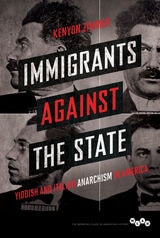
cover of Immigrants against the State: Yiddish and Italian Anarchism in America

Immigrants against the State

Yiddish and Italian Anarchism in America

Kenyon Zimmer

University of Illinois Press, 2015

From the 1880s through the 1940s, tens of thousands of first- and second-generation immigrants embraced the anarchist cause after arriving on American shores. Kenyon Zimmer explores why these migrants turned to anarchism, and how their adoption of its ideology shaped their identities, experiences, and actions.
 
Zimmer focuses on Italians and Eastern European Jews in San Francisco, New York City, and Paterson, New Jersey. Tracing the movement's changing fortunes from the pre–World War I era through the Spanish Civil War, Zimmer argues that anarchists, opposed to both American and Old World nationalism, severed all attachments to their nations of origin but also resisted assimilation into their host society. Their radical cosmopolitan outlook and identity instead embraced diversity and extended solidarity across national, ethnic, and racial divides. Though ultimately unable to withstand the onslaught of Americanism and other nationalisms, the anarchist movement nonetheless provided a shining example of a transnational collective identity delinked from the nation-state and racial hierarchies.
[more]
cover of Immigrants and Boomers: Forging a New Social Contract for the Future of America

Immigrants and Boomers

Forging a New Social Contract for the Future of America

Dowell Myers

Russell Sage Foundation, 2007
"This story of hope for both immigrants and native-born Americans is a well-researched, insightful, and illuminating study that provides compelling evidence to support a policy of homegrown human investment as a new priority. A timely, valuable addition to demographic and immigration studies. Highly recommended." —Choice Virtually unnoticed in the contentious national debate over immigration is the significant demographic change about to occur as the first wave of the Baby Boom generation retires, slowly draining the workforce and straining the federal budget to the breaking point.  In this forward-looking new book, noted demographer Dowell Myers proposes a new way of thinking about the influx of immigrants and the impending retirement of the Baby Boomers. Myers argues that each of these two powerful demographic shifts may hold the keys to resolving the problems presented by the other. Immigrants and Boomers looks to California as a bellwether state—where whites are no longer a majority of the population and represent just a third of residents under age twenty—to afford us a glimpse into the future impact of immigration on the rest of the nation. Myers opens with an examination of the roots of voter resistance to providing social services for immigrants. Drawing on detailed census data, Myers demonstrates that long-established immigrants have been far more successful than the public believes. Among the Latinos who make up the bulk of California's immigrant population, those who have lived in California for over a decade show high levels of social mobility and use of English, and 50 percent of Latino immigrants become homeowners after twenty years. The impressive progress made by immigrant families suggests they have the potential to pick up the slack from aging boomers over the next two decades. The mass retirement of the boomers will leave critical shortages in the educated workforce, while shrinking ranks of middle-class tax payers and driving up entitlement expenditures. In addition, as retirees sell off their housing assets, the prospect of a generational collapse in housing prices looms. Myers suggests that it is in the boomers' best interest to invest in the education and integration of immigrants and their children today in order to bolster the ranks of workers, taxpayers, and homeowners America they will depend on ten and twenty years from now. In this compelling, optimistic book, Myers calls for a new social contract between the older and younger generations, based on their mutual interests and the moral responsibility of each generation to provide for children and the elderly. Combining a rich scholarly perspective with keen insight into contemporary political dilemmas, Immigrants and Boomers creates a new framework for understanding the demographic challenges facing America and forging a national consensus to address them.
[more]
cover of Immigrants and Welfare: The Impact of Welfare Reform on America's Newcomers

Immigrants and Welfare

The Impact of Welfare Reform on America's Newcomers

Michael E. Fix

Russell Sage Foundation, 2009
The lore of the immigrant who comes to the United States to take advantage of our welfare system has a long history in America's collective mythology, but it has little basis in fact. The so-called problem of immigrants on the dole was nonetheless a major concern of the 1996 welfare reform law, the impact of which is still playing out today. While legal immigrants continue to pay taxes and are eligible for the draft, welfare reform has severely limited their access to government supports in times of crisis. Edited by Michael Fix, Immigrants and Welfare rigorously assesses the welfare reform law, questions whether its immigrant provisions were ever really necessary, and examines its impact on legal immigrants' ability to integrate into American society. Immigrants and Welfare draws on fields from demography and law to developmental psychology. The first part of the volume probes the politics behind the welfare reform law, its legal underpinnings, and what it may mean for integration policy. Contributor Ron Haskins makes a case for welfare reform's ultimate success but cautions that excluding noncitizen children (future workers) from benefits today will inevitably have serious repercussions for the American economy down the road. Michael Wishnie describes the implications of the law for equal protection of immigrants under the U.S. Constitution. The second part of the book focuses on empirical research regarding immigrants' propensity to use benefits before the law passed, and immigrants' use and hardship levels afterwards. Jennifer Van Hook and Frank Bean analyze immigrants' benefit use before the law was passed in order to address the contested sociological theories that immigrants are inclined to welfare use and that it slows their assimilation. Randy Capps, Michael Fix, and Everett Henderson track trends before and after welfare reform in legal immigrants' use of the major federal benefit programs affected by the law. Leighton Ku looks specifically at trends in food stamps and Medicaid use among noncitizen children and adults and documents the declining health insurance coverage of noncitizen parents and children. Finally, Ariel Kalil and Danielle Crosby use longitudinal data from Chicago to examine the health of children in immigrant families that left welfare. Even though few states took the federal government's invitation with the 1996 welfare reform law to completely freeze legal immigrants out of the social safety net, many of the law's most far-reaching provisions remain in place and have significant implications for immigrants. Immigrants and Welfare takes a balanced look at the politics and history of immigrant access to safety-net supports and the ongoing impacts of welfare. Copublished with the Migration Policy Institute
[more]
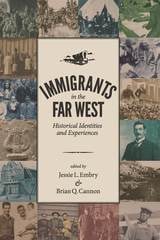
cover of Immigrants in the Far West: Historical Identities and Experiences

Immigrants in the Far West

Historical Identities and Experiences

Jessie L. Embry

University of Utah Press, 2014
This book is a collection of essays showcasing cutting-edge research and innovative approaches that a new generation of scholars is bringing to the study of immigration in the American West. Often overlooked in general studies of immigration, the western United States has been and is an important destination for immigrants. The unique combination of ethnicities and races in the West, combined with political and economic peculiarities, has given the region an immigration narrative that departs significantly from that of the East and Midwest. This volume explores facets of this narrative with case studies that reveal how immigration in the American West has influenced the region’s development culturally, economically, socially, and politically. Contributors offer historical narrative and theory to illuminate factors that have galvanized immigration and the ways that agency, cultural resources, institutions, and societal attitudes have shaped immigrant experiences. With chapters written by scholars from multiple fields, the book’s interdisciplinary framework will make it of interest to readers from a variety of backgrounds. 
[more]
cover of Immigrants in the Valley: Irish, Germans, and Americans in the Upper Mississippi Country, 1830-1860

Immigrants in the Valley

Irish, Germans, and Americans in the Upper Mississippi Country, 1830-1860

Mark Wyman

Southern Illinois University Press, 1984
Thousands of newcomers flocked into the Upper Mississippi country in the decades leading up to the Civil War. Illinois, Wisconsin, Iowa, Missouri, and Minnesota received immigrants from most areas of Europe, as well as Americans from the Upper South, New England, and the Middle Atlantic states. They all carried with them religious beliefs, experiences, and expectations that differed widely, attitudes and opinions which often threw them into conflict with each other. Drawing extensively on family letters sent home to Europe, missionary reports, employment records, and other diverse materials from 1830 to 1860, Wyman shows the interplay between the major groups traveling the roads and waterways of the Upper Mississippi Valley during those crucial decades. The result is a lively, richly illustrated account that will help Americans everywhere better understand their diverse heritage and the environment in which their family trees took root. A new preface to this paperback edition helps to bring the scholarship up to date.
[more]
cover of Immigrants, Evangelicals, and Politics in an Era of Demographic Change

Immigrants, Evangelicals, and Politics in an Era of Demographic Change

Janelle S. Wong

Russell Sage Foundation, 2018

As immigration from Asia and Latin America reshapes the demographic composition of the U.S., some analysts have anticipated the decline of conservative white evangelicals’ influence in politics. Yet, Donald Trump captured a larger share of the white evangelical vote in the 2016 election than any candidate in the previous four presidential elections. Why has the political clout of white evangelicals persisted at a time of increased racial and ethnic diversity? In Immigrants, Evangelicals, and Politics in an Era of Demographic Change, political scientist Janelle Wong examines a new generation of Asian American and Latino evangelicals and offers an account of why demographic change has not contributed to a political realignment.
 
Asian Americans and Latinos currently constitute 13 percent of evangelicals, and their churches are among the largest, fastest growing organizations in their communities. While evangelical identity is associated with conservative politics, Wong draws from national surveys and interviews to show that non-white evangelicals express political attitudes that are significantly less conservative than those of their white counterparts. Black, Asian American, and Latino evangelicals are much more likely to support policies such as expanded immigration rights, increased taxation of the wealthy, and government interventions to slow climate change. As Wong argues, non-white evangelicals’ experiences as members of racial or ethnic minority groups often lead them to adopt more progressive political views compared to their white counterparts.
 
However, despite their growth in numbers, non-white evangelicals—particularly Asian Americans and Latinos—are concentrated outside of swing states, have lower levels of political participation than white evangelicals, and are less likely to be targeted by political campaigns. As a result, white evangelicals dominate the evangelical policy agenda and are overrepresented at the polls. Also, many white evangelicals have adopted even more conservative political views in response to rapid demographic change, perceiving, for example, that discrimination against Christians now rivals discrimination against racial and ethnic minorities.
 
Wong demonstrates that immigrant evangelicals are neither “natural” Republicans nor “natural” Democrats. By examining the changing demographics of the evangelical movement, Immigrants, Evangelicals, and Politics in an Era of Demographic Change sheds light on an understudied constituency that has yet to find its political home.

 
[more]
cover of Immigration Law and the U.S.–Mexico Border: ¿Sí se puede?

Immigration Law and the U.S.–Mexico Border

¿Sí se puede?

Kevin R. Johnson and Bernard Trujillo

University of Arizona Press, 2011

Americans from radically different political persuasions agree on the need to “fix” the “broken” US immigration laws to address serious deficiencies and improve border enforcement. In Immigration Law and the US–Mexico Border, Kevin Johnson and Bernard Trujillo focus on what for many is at the core of the entire immigration debate in modern America: immigration from Mexico.

In clear, reasonable prose, Johnson and Trujillo explore the long history of discrimination against US citizens of Mexican ancestry in the United States and the current movement against “illegal aliens”—persons depicted as not deserving fair treatment by US law. The authors argue that the United States has a special relationship with Mexico by virtue of sharing a 2,000-mile border and a “land-grab of epic proportions” when the United States “acquired” nearly two-thirds of Mexican territory between 1836 and 1853.

The authors explain US immigration law and policy in its many aspects—including the migration of labor, the place of state and local regulation over immigration, and the contributions of Mexican immigrants to the US economy. Their objective is to help thinking citizens on both sides of the border to sort through an issue with a long, emotional history that will undoubtedly continue to inflame politics until cooler, and better-informed, heads can prevail. The authors conclude by outlining possibilities for the future, sketching a possible movement to promote social justice. Great for use by students of immigration law, border studies, and Latino studies, this book will also be of interest to anyone wondering about the general state of immigration law as it pertains to our most troublesome border.
[more]
cover of Immigration Research for a New Century: Multidisciplinary Perspectives

Immigration Research for a New Century

Multidisciplinary Perspectives

Nancy Foner

Russell Sage Foundation, 2000

The rapid rise in immigration over the past few decades has transformed the American social landscape, while the need to understand its impact on society has led to a burgeoning research literature. Predominantly non-European and of varied cultural, social, and economic backgrounds, the new immigrants present analytic challenges that cannot be wholly met by traditional immigration studies. Immigration Research for a New Century demonstrates how sociology, anthropology, history, political science, economics, and other disciplines intersect to answer questions about today's immigrants. In Part I, leading scholars examine the emergence of an interdisciplinary body of work that incorporates such topics as the social construction of race, the importance of ethnic self-help and economic niches, the influence of migrant-homeland ties, and the types of solidarity and conflict found among migrant populations. The authors also explore the social and national origins of immigration scholars themselves, many of whom came of age in an era of civil rights and ethnic reaffirmation, and may also be immigrants or children of immigrants. Together these essays demonstrate how social change, new patterns of immigration, and the scholars' personal backgrounds have altered the scope and emphases of the research literature, allowing scholars to ask new questions and to see old problems in new ways. Part II contains the work of a new generation of immigrant scholars, reflecting the scope of a field bolstered by different disciplinary styles. These essays explore the complex variety of the immigrant experience, ranging from itinerant farmworkers to Silicon Valley engineers. The demands of the American labor force, ethnic, racial, and gender stereotyping, and state regulation are all shown to play important roles in the economic adaptation of immigrants.The ways in which immigrants participate politically, their relationships among themselves, their attitudes toward naturalization and citizenship, and their own sense of cultural identity are also addressed. Immigration Research for a New Century examines the complex effects that immigration has had not only on American society but on scholarship itself, and offers the fresh insights of a new generation of immigration researchers.
[more]
cover of Immigration and American History: Essays in Honor of Theodore C. Blegen

Immigration and American History

Essays in Honor of Theodore C. Blegen

Henry Steele Commager, Editor

University of Minnesota Press, 1961

Immigration and American History was first published in 1961. Minnesota Archive Editions uses digital technology to make long-unavailable books once again accessible, and are published unaltered from the original University of Minnesota Press editions.

Ten scholars noted for their studies in immigration history contribute essays to this volume. Dr. Commager surveys the course of immigration studies over the years. Oscar Handlin reappraises the role of immigration in American life. Ingrid Semmingsen, Norwegian historian, writes on the image of American in Europe. Philip D. Jordan focuses on the immigrant's view of America. John T. Flanagan discusses the immigrant in fiction. Carlton C. Qualey contributes two essays. In the first he surveys world population movements and in the second he suggests new source materials for immigration studies. Henry A. Pochmann discusses the migration of ideas—what ideas have come into America, from where, and to what end? Franklin D. Scott inquires into the value of immigration studies of nationality groups. The Reverend Colman J. Barry explores possibilities for future immigration studies. Theodore C. Blegen takes a backward glance and a forward look at immigration studies.

The volume is based on the papers given at a conference held at the University of Minnesota in honor of Dr. Blegen on his retirement from the university.
[more]
cover of Immigration and Opportuntity: Race, Ethnicity, and Employment in the United States

Immigration and Opportuntity

Race, Ethnicity, and Employment in the United States

Frank D. Bean

Russell Sage Foundation, 1999
The American dream of equal opportunity and social mobility still holds a powerful appeal for the many immigrants who arrive in this country each year. but if immigrant success stories symbolize the fulfillment of the American dream, the persistent inequality suffered by native-born African Americans demonstrates the dream's limits. Although the experience of blacks and immigrants in the United States are not directly comparable, their fates are connected in ways that are seldom recognized. Immigration and Opportunity brings together leading sociologists and demographers to present a systematic account of the many ways in which immigration affects the labor market experiences of native-born African Americans. With the arrival of large numbers of nonwhite immigrants in recent decades, blacks now represent less than 50 percent of the U.S. minority population. Immigration and Opportunity reveals how immigration has transformed relations between minority populations in the United States, creating new forms of labor market competition between native and immigrant minorities. Recent immigrants have concentrated in a handful of port-of-entry cities, breaking up established patterns of residential segregation,and, in some cases, contributing to the migration of native blacks out of these cities. Immigrants have secured many of the occupational niches once dominated by blacks and now pass these jobs on through ethnic hiring networks that exclude natives. At the same time, many native-born blacks find jobs in the public sector, which is closed to those immigrants who lack U.S. citizenship. While recent immigrants have unquestionably brought economic and cultural benefits to U.S. society, this volume makes it clear that the costs of increased immigration falls particularly heavily upon those native-born groups who are already disadvantaged. Even as large-scale immigration transforms the racial and ethnic make-up of U.S. society—forcing us to think about race and ethnicity in new ways—it demands that we pay renewed attention to the entrenched problems of racial disadvantage that still beset native-born African Americans.
[more]
cover of Immigration and the Law: Race, Citizenship, and Social Control

Immigration and the Law

Race, Citizenship, and Social Control

Edited by Sofía Espinoza Álvarez and Martin Guevara Urbina

University of Arizona Press, 2018

In the era of globalization, shifting political landscapes, and transnational criminal organizations, discourse around immigration is reaching unprecedented levels. Immigration and the Law is a timely and significant volume of essays that addresses the social, political, and economic contexts of migration in the United States. The contributors analyze the historical and contemporary landscapes of immigration laws, their enforcement, and the discourse surrounding these events, as well as the mechanisms, beliefs, and ideologies that govern them.
 
In today’s highly charged atmosphere, Immigration and the Law gives readers a grounded and broad overview of U.S. immigration law in a single book. Encompassing issues such as shifting demographics, a changing criminal justice system, and volatile political climate, the book is critically significant for academic, political, legal, and social arenas.
 
The contributors offer sound evidence to expose the historical legacy of violence, brutality, manipulation, oppression, marginalization, prejudice, discrimination, power, and control. Demystifying the ways that current ideas of ethnicity, race, gender, and class govern immigration and uphold the functioning and legitimacy of the criminal justice system, Immigration and the Law presents a variety of studies and perspectives that offer a pathway toward addressing long-neglected but vital topics in the discourse on immigration and the law.
 
Contributors
 
Sofía Espinoza Álvarez
Steven W. Bender
Leo R. Chávez
Arnoldo De León
Daniel Justino Delgado
Roxanne Lynn Doty
Brenda I. Gill
Ruth Gomberg-Muñoz
Peter Laufer
Lupe S. Salinas
Mary C. Sengstock
Martin Guevara Urbina
Claudio G. Vera Sánchez
[more]
cover of Immigration and the Politics of American Sovereignty, 1890-1990

Immigration and the Politics of American Sovereignty, 1890-1990

Cheryl Shanks

University of Michigan Press, 2001
What does it mean to be an American? The United States defines itself by its legal freedoms; it cannot tell its citizens who to be. Nevertheless, where possible, it must separate citizen from alien. In so doing, it defines the desirable characteristics of its citizens in immigration policy, spelling out how many and, most importantly, what sorts of persons can enter the country with the option of becoming citizens.
Over the past century, the U.S. Congress argued first that prospective citizens should be judged in terms of race, then in terms of politics, then of ideology, then of wealth and skills. Each argument arose in direct response to a perceived foreign threat--a threat that was, in the government's eyes, racial, political, ideological, or economic. Immigration and the Politics of American Sovereignty traces how and why public arguments about immigrants changed over time, how some arguments came to predominate and shape policy, and what impact these arguments have had on how the United States defines and defends its sovereignty.
Cheryl Shanks offers readers an explanation for immigration policy that is more distinctly political than the usual economic and cultural ones. Her study, enriched by the insights of international relations theory, adds much to our understanding of the notion of sovereignty and as such will be of interest to scholars of international relations, American politics, sociology, and American history.
Cheryl Shanks is Assistant Professor of Political Science, Williams College.
[more]
cover of Immigration and the Remaking of Black America

Immigration and the Remaking of Black America

Tod G. Hamilton

Russell Sage Foundation, 2019

Winner of the 2020 Otis Dudley Duncan Award for Outstanding Scholarship in Social Demography
Honorable Mention for the 2020 Thomas and Znaniecki Award from the International Migration Section of the American Sociological Association​​​​​​​


Over the last four decades, immigration from the Caribbean and sub-Saharan Africa to the U. S. has increased rapidly. In several states, African immigrants are now major drivers of growth in the black population. While social scientists and commentators have noted that these black immigrants’ social and economic outcomes often differ from those of their native-born counterparts, few studies have carefully analyzed the mechanisms that produce these disparities. In Immigration and the Remaking of Black America, sociologist and demographer Tod Hamilton shows how immigration is reshaping black America. He weaves together interdisciplinary scholarship with new data to enhance our understanding of the causes of socioeconomic stratification among both the native-born and newcomers.
 
Hamilton demonstrates that immigration from the Caribbean and sub-Saharan Africa is driven by selective migration, meaning that newcomers from these countries tend to have higher educational attainment than those who stay behind. As a result, they arrive in the U.S. with some advantages over native-born blacks, and, in some cases, over whites. He also shows the importance of historical context: prior to the Civil Rights Movement, black immigrants’ socioeconomic outcomes resembled native-born blacks’ much more closely, regardless of their educational attainment in their country of origin. Today, however, certain groups of black immigrants have better outcomes than native-born black Americans—such as lower unemployment rates and higher rates of homeownership—in part because they immigrated at a time of expanding opportunities for minorities and women in general. Hamilton further finds that rates of marriage and labor force participation among native-born blacks that move away from their birth states resemble those of many black immigrants, suggesting that some disparities within the black population stem from processes associated with migration, rather than from nativity alone.
 
Hamilton argues that failing to account for this diversity among the black population can lead to incorrect estimates of the social progress made by black Americans and the persistence of racism and discrimination. He calls for future research on racial inequality to disaggregate different black populations. By richly detailing the changing nature of black America, Immigration and the Remaking of Black America helps scholars and policymakers to better understand the complexity of racial disparities in the twenty-first century.
[more]
cover of Immigration, Diversity, and Broadcasting in the United States 1990—2001

Immigration, Diversity, and Broadcasting in the United States 1990—2001

Vibert C. Cambridge

Ohio University Press, 2004
The last decade of the twentieth century brought a maturing of the new racial and ethnic communities in the United States and the emergence of diversity and multiculturalism as dominant fields of discourse in legal, educational, and cultural contexts. Immigration, Diversity, and Broadcasting in the United States, 1990—2001 is a contribution to our understanding of the web of relationships that existed at the intersection of immigration, race, ethnicity, and broadcasting in America during this period. Professor Vibert C. Cambridge investigates and questions how broadcasting in the United States responded to the changing racial and ethnic composition of the society. What patterns could be drawn from these responses? What roles were served? What roles are currently being served? What stimulated the changing of roles? Ultimately, Immigration, Diversity, and Broadcasting in the United States evaluates the performance of the American broadcasting industry. The answers to this book’s core questions provide insights into how the American broadcasting industry responded to freedom, equality, diversity, information quality, social order, and solidarity at century’s end.
[more]
cover of Immigration, Poverty, and Socioeconomic Inequality

Immigration, Poverty, and Socioeconomic Inequality

David Card

Russell Sage Foundation, 2013

The rapid rise in the proportion of foreign-born residents in the United States since the mid-1960s is one of the most important demographic events of the past fifty years. The increase in immigration, especially among the less-skilled and less-educated, has prompted fears that the newcomers may have depressed the wages and employment of the native-born, burdened state and local budgets, and slowed the U.S. economy as a whole. Would the poverty rate be lower in the absence of immigration? How does the undocumented status of an increasing segment of the foreign-born population impact wages in the United States? In Immigration, Poverty, and Socioeconomic Inequality, noted labor economists David Card and Steven Raphael and an interdisciplinary team of scholars provide a comprehensive assessment of the costs and benefits of the latest era of immigration to the United States Immigration, Poverty, and Socioeconomic Inequality rigorously explores shifts in population trends, labor market competition, and socioeconomic segregation to investigate how the recent rise in immigration affects economic disadvantage in the United States. Giovanni Peri analyzes the changing skill composition of immigrants to the United States over the past two decades to assess their impact on the labor market outcomes of native-born workers. Despite concerns over labor market competition, he shows that the overall effect has been benign for most native groups. Moreover, immigration appears to have had negligible impacts on native poverty rates. Ethan Lewis examines whether differences in English proficiency explain this lack of competition between immigrant and native-born workers. He finds that parallel Spanish-speaking labor markets emerge in areas where Spanish speakers are sufficiently numerous, thereby limiting the impact of immigration on the wages of native-born residents. While the increase in the number of immigrants may not necessarily hurt the job prospects of native-born workers, low-skilled migration appears to suppress the wages of immigrants themselves. Michael Stoll shows that linguistic isolation and residential crowding in specific metropolitan areas has contributed to high poverty rates among immigrants. Have these economic disadvantages among low-skilled immigrants increased their dependence on the U.S. social safety net? Marianne Bitler and Hilary Hoynes analyze the consequences of welfare reform, which limited eligibility for major cash assistance programs. Their analysis documents sizable declines in program participation for foreign-born families since the 1990s and suggests that the safety net has become less effective in lowering child poverty among immigrant households. As the debate over immigration reform reemerges on the national agenda, Immigration, Poverty, and Socioeconomic Inequality provides a timely and authoritative review of the immigrant experience in the United States. With its wealth of data and intriguing hypotheses, the volume is an essential addition to the field of immigration studies. A Volume in the National Poverty Center Series on Poverty and Public Policy
[more]
cover of Impossible Citizens: Dubai's Indian Diaspora

Impossible Citizens

Dubai's Indian Diaspora

Neha Vora

Duke University Press, 2013

Indian communities have existed in the Gulf emirate of Dubai for more than a century. Since the 1970s, workers from South Asia have flooded into the emirate, enabling Dubai's huge construction boom. They now compose its largest noncitizen population. Though many migrant families are middle-class and second-, third-, or even fourth-generation residents, Indians cannot become legal citizens of the United Arab Emirates. Instead, they are all classified as temporary guest workers. In Impossible Citizens, Neha Vora draws on her ethnographic research in Dubai's Indian-dominated downtown to explore how Indians live suspended in a state of permanent temporariness.

While their legal status defines them as perpetual outsiders, Indians are integral to the Emirati nation-state and its economy. At the same time, Indians—even those who have established thriving diasporic neighborhoods in the emirate—disavow any interest in formally belonging to Dubai and instead consider India their home. Vora shows how these multiple and conflicting logics of citizenship and belonging contribute to new understandings of contemporary citizenship, migration, and national identity, ones that differ from liberal democratic models and that highlight how Indians, rather than Emiratis, are the quintessential—yet impossible—citizens of Dubai.

[more]
cover of Improvised Adolescence: Somali Bantu Teenage Refugees in America

Improvised Adolescence

Somali Bantu Teenage Refugees in America

Sandra Grady

University of Wisconsin Press, 2015

Changing from child to young adult is difficult everywhere. But to experience childhood in continuous flight from conflict, then move into adolescence as a refugee in a radically different culture, is a more than usually complicated transition for teens and for their parents, communities, teachers, and social workers.
            Improvised Adolescence explores how teenagers from southern Somalia, who spent much of their childhood in East African refugee camps, are adapting to resettlement in the American Midwest. The collapse of the Somali state in 1991, and subsequent chaos in the Horn of Africa, disrupted the lives of these young people educationally, culturally, and developmentally. Folklorist Sandra Grady has intermittently observed the lifeworld of these teens—their homes, their entertainment choices, their interaction with classmates and teachers at school, and their plans for the future—for more than seven years to understand the cultural tools they’ve used in their journey from this disrupted childhood. They negotiate two sets of cultural expectations: in the resettled Somali Bantu community, traditional rites of passage continue to mark the change from child to adult; in the surrounding U.S. culture, an unfamiliar in-between category—“adolescent”—delays adulthood. Offering analysis that is both engaging and theoretically grounded, Grady tracks the emergence in this immigrant community of an improvised adolescence.

Best books for public & secondary school libraries from university presses, American Library Association
[more]
cover of Impure Migration: Jews and Sex Work in Golden Age Argentina

Impure Migration

Jews and Sex Work in Golden Age Argentina

Mir Yarfitz

Rutgers University Press, 2019
Impure Migration investigates the period from the 1890s until the 1930s, when prostitution was a legal institution in Argentina and the international community knew its capital city Buenos Aires as the center of the sex industry. At the same time, pogroms and anti-Semitic discrimination left thousands of Eastern European Jewish people displaced, without the resources required to immigrate. For many Jewish women, participation in prostitution was one of very few ways they could escape the limited options in their home countries, and Jewish men facilitate their transit and the organization of their work and social lives. Instead of marginalizing this story or reading it as a degrading chapter in Latin American Jewish history, Impure Migration interrogates a complicated social landscape to reveal that sex work is in fact a critical part of the histories of migration, labor, race, and sexuality.
[more]
cover of In And Out Of Morocco: Smuggling and Migration in a Frontier Boomtown

In And Out Of Morocco

Smuggling and Migration in a Frontier Boomtown

David Mcmurray

University of Minnesota Press, 2001

A revealing inquiry into how global culture is lived locally.

Every summer for almost forty years, tens of thousands of Moroccan emigrants from as far away as Norway and Germany descend on the duty-free smugglers’ cove/migrant frontier boomtown of Nador, Morocco. David McMurray investigates the local effects of the multiple linkages between Nador and international commodity circuits, and analyzes the profound effect on everyday life of the free flow of bodies, ideas, and commodities into and out of the region.

Combining immigration and population statistics with street-level ethnography, In and Out of Morocco covers a wide range of topics, including the origin and nature of immigrant nostalgia, the historical evolution of the music of migration in the region, and the influence of migrant wealth on social distinctions in Nador. Groundbreaking in its attention to the performative aspects of life in a smuggling border zone, the book also analyzes the way in which both migration and smuggling have affected local structures of feeling by contributing to the spread of hyperconsumption. The result is a rare and revealing inquiry into how the global culture is lived locally.
[more]
cover of In Lady Liberty's Shadow: The Politics of Race and Immigration in New Jersey

In Lady Liberty's Shadow

The Politics of Race and Immigration in New Jersey

Robyn Magalit Rodriguez

Rutgers University Press, 2017

Home to Ellis Island, New Jersey has been the first stop for many immigrant groups for well over a century. Yet in this highly diverse state, some of the most anti-immigrant policies in the nation are being tested. American suburbs are home to increasing numbers of first and second-generation immigrants who may actually be bypassing the city to settle directly into the neighborhoods that their predecessors have already begun to plant roots in—a trajectory that leads to nativist ordinances and other forms of xenophobia.
 
In Lady Liberty’s Shadow examines popular white perceptions of danger represented by immigrants and their children, as well the specter that lurks at the edges of suburbs in the shape of black and Latino urban underclasses and the ever more nebulous hazard of (presumed-Islamic) terrorism that threatening to undermine “life as we know it.” Robyn Magalit Rodriguez explores the impact of anti-immigrant municipal ordinances on a range of immigrant groups living in varied suburban communities, from undocumented Latinos in predominantly white suburbs to long-established Asian immigrants in “majority-minority” suburbs. The “American Dream” that suburban life is supposed to represent is shown to rest on a racialized, segregated social order meant to be enjoyed only by whites. Although it is a case study of New Jersey, In Lady Liberty’s Shadow offers crucial insights that can shed fresh light on the national immigration debate. 

For more information, go to: https://www.facebook.com/inlibertysshadow
[more]
cover of In Pursuit of Their Dreams: A History of Azorean Immigration to the United States

In Pursuit of Their Dreams

A History of Azorean Immigration to the United States

Jerry R. Williams

Tagus Press, 2007

Jerry Williams' history of Azorean immigration to the United States offers us valuable insight into the experience and culture of Portuguese immigrants and their descendants. This account fills a major gap in American immigration history and gives us a comprehensive overview of how Portuguese-Americans—now numbering close to a million people—have come to constitute a vibrant and highly visible presence within southeastern New England, the areas around San Francisco and San Diego, Hawaii, and the New Jersey/New York metropolitan area. Even though Azorean immigrants all came from similar cultural and social backgrounds, Williams shows how regionally specific opportunity structures and social hierarchies have contributed to significant differences within the Portuguese-American experience.

Starting with the whaling routes that first connected the mid-Atlantic archipelago with the ports of call in New England and California in the early 1800s, Williams lays out the complex relationship between the Azores and the US that has continued into the present. We learn how particular patterns of poverty, overpopulation and social inequality in the Azores pushed large numbers of the islands' inhabitants to leave their homes in search of better opportunities for themselves and their children. He tells the story of how the early whalers who jumped ship in New Bedford, San Francisco, or Hawaii were followed by kin and fellow villagers who had heard of plentiful jobs in New England's textile mills, gold and land in California, or agricultural work on Hawaiian plantations. Williams' account allows us to understand the importance of family and community connections throughout the immigrants' arduous transition from peasant life to industrial society.
[more]
cover of In Search of Providence: Transnational Mayan Identities, Updated Edition

In Search of Providence

Transnational Mayan Identities, Updated Edition

Patricia Foxen

Vanderbilt University Press, 2020

In the mid-1990s, Patricia Foxen traveled back and forth between the Guatemalan highlands and Providence, Rhode Island, to understand the migration paths of K'iche' Mayan Indians who had fled the Guatemalan civil war to work in the factories and fisheries of New England. More than two decades later, many Mayans are still migrating to the US. As Foxen argues, the recent surge in Mayan border crossings must be contextualized within both the longer history of violence, marginality, and exclusion that has long led Guatemala's Indigenous populations to be "survivors on the move," as well as contemporary push factors such as climate change and growing inequality that have forced people from their communities.

And yet one of the most significant drivers of continued emigration today, ironically, is the very culture of migration (described in the book) that has accelerated social change within many Indigenous communities, setting in motion a complex series of economic and cultural shifts that have compelled a continuous movement of people and generations to the US. Reading this story in 2020—at a time of massive growth in flows of irregular migrations around the world—can help us better understand the highly complex set of factors that propel long-term migrations and that shape transnational communities on both sides of the border.

In Search of Providence offers a layered, historically grounded perspective that speaks to the local specificity behind the migration experience in order to point to the universal themes and contradictions of contemporary global displacements.

[more]
cover of In the Name of Women's Rights: The Rise of Femonationalism

In the Name of Women's Rights

The Rise of Femonationalism

Sara R. Farris

Duke University Press, 2017
Sara R. Farris examines the demands for women's rights from an unlikely collection of right-wing nationalist political parties, neoliberals, and some feminist theorists and policy makers. Focusing on contemporary France, Italy, and the Netherlands, Farris labels this exploitation and co-optation of feminist themes by anti-Islam and xenophobic campaigns as “femonationalism.” She shows that by characterizing Muslim males as dangerous to western societies and as oppressors of women, and by emphasizing the need to rescue Muslim and migrant women, these groups use gender equality to justify their racist rhetoric and policies. This practice also serves an economic function. Farris analyzes how neoliberal civic integration policies and feminist groups funnel Muslim and non-western migrant women into the segregating domestic and caregiving industries, all the while claiming to promote their emancipation. In the Name of Women's Rights documents the links between racism, feminism, and the ways in which non-western women are instrumentalized for a variety of political and economic purposes.
[more]
cover of In the Name of the Mother: Italian Americans, African Americans, and Modernity from Booker T. Washington to Bruce Springsteen

In the Name of the Mother

Italian Americans, African Americans, and Modernity from Booker T. Washington to Bruce Springsteen

Samuele F. S. Pardini

Dartmouth College Press, 2017
In the Name of the Mother examines the cultural relationship between African American intellectuals and Italian American writers and artists, and how it relates to American blackness in the twentieth century. Samuele Pardini links African American literature to the Mediterranean tradition of the Italian immigrants and examines both against the white intellectual discourse that defines modernism in the West. This previously unexamined encounter offers a hybrid, transnational model of modernity capable of producing democratic forms of aesthetics, social consciousness, and political economy. This volume emphasizes the racial “in-betweenness” of Italian Americans rearticulated as “invisible blackness,” a view that enlarges and complicates the color-based dimensions of American racial discourse. This strikingly original work will interest a wide spectrum of scholars in American Studies and the humanities.
[more]
cover of In the Shadow of Race: Jews, Latinos, and Immigrant Politics in the United States

In the Shadow of Race

Jews, Latinos, and Immigrant Politics in the United States

Victoria Hattam

University of Chicago Press, 2007

Race in the United States has long been associated with heredity and inequality while ethnicity has been linked to language and culture. In the Shadow of Race recovers the history of this entrenched distinction and the divisive politics it engenders. 

Victoria Hattam locates the origins of ethnicity in the New York Zionist movement of the early 1900s.  In a major revision of widely held assumptions, she argues that Jewish activists identified as ethnics not as a means of assimilating and becoming white, but rather as a way of defending immigrant difference as distinct from race—rooted in culture rather than body and blood. Eventually, Hattam shows, the Immigration and Naturalization Service and the Census Bureau institutionalized this distinction by classifying Latinos as an ethnic group and not a race. But immigration and the resulting population shifts of the last half century have created a political opening for reimagining the relationship between immigration and race.  How to do so is the question at hand.

In the Shadow of Race concludes by examining the recent New York and Los Angeles elections and the 2006 immigrant rallies across the country to assess the possibilities of forging a more robust alliance between immigrants and African Americans.  Such an alliance is needed, Hattam argues, to more effectively redress the persistent inequalities in American life.
[more]
cover of Indian Migration and Empire: A Colonial Genealogy of the Modern State

Indian Migration and Empire

A Colonial Genealogy of the Modern State

Radhika Mongia

Duke University Press, 2018

How did states come to monopolize control over migration? What do the processes that produced this monopoly tell us about the modern state? In Indian Migration and Empire Radhika Mongia provocatively argues that the formation of colonial migration regulations was dependent upon, accompanied by, and generative of profound changes in normative conceptions of the modern state. Focused on state regulation of colonial Indian migration between 1834 and 1917, Mongia illuminates the genesis of central techniques of migration control. She shows how important elements of current migration regimes, including the notion of state sovereignty as embodying the authority to control migration, the distinction between free and forced migration, the emergence of passports, the formation of migration bureaucracies, and the incorporation of kinship relations into migration logics, are the product of complex debates that attended colonial migrations. By charting how state control of migration was critical to the transformation of a world dominated by empire-states into a world dominated by nation-states, Mongia challenges positions that posit a stark distinction between the colonial state and the modern state to trace aspects of their entanglements.
[more]
cover of Indianapolis: A City of Immigrants

Indianapolis

A City of Immigrants

M. Teresa Baer

Indiana Historical Society Press, 2012
The booklet opens with the Delaware Indians prior to 1818. White Americans quickly replaced the natives. Germanic people arrived during the mid-nineteenth century. African American indentured servants and free blacks migrated to Indianapolis. After the Civil War, southern blacks poured into the city. Fleeing war and political unrest, thousands of eastern and southern Europeans came to Indianapolis. Anti-immigration laws slowed immigration until World War II. Afterward, the city welcomed students and professionals from Asia and the Middle East and refugees from war-torn countries such as Vietnam and poor countries such as Mexico. Today, immigrants make Indianapolis more diverse and culturally rich than ever before.
[more]
cover of Indigenous Dispossession, Anti-Immigration, and the Public Pedagogy of US Empire

Indigenous Dispossession, Anti-Immigration, and the Public Pedagogy of US Empire

Leah Perry

The Ohio State University Press, 2024

From the founding of the United States, enduringly consequential debates over Indigeneity and immigration have occurred on the battlefield and in Congress, in courtrooms, at territorial borders, and in mainstream culture. In Indigenous Dispossession, Anti-Immigration, and the Public Pedagogy of US Empire, Leah Perry traces the ways that the US created its empire through public pedagogies—which she defines as policy and media discourses—surrounding Indigenous dispossession, gendered state violence, and racialized immigration. These pedagogies have propelled the expansion of US empire, including the redrawing of the US as a neoliberal democracy. Perry argues that by changing the discourse around gender, race, immigration, and Indigeneity, the United States has continued its imperial project through different eras, always predicated on Indigenous dispossession.

In exploring crucial components of empire, such as welfare, eugenics, disability, sexual violence, foodways, queerness, and policing, Perry interrogates violence against Indigenous peoples and against immigrants, examining these not independently—as is so often the case—but as co-constitutive. Indigenous Dispossession, Anti-Immigration, and the Public Pedagogy of US Empire thus intervenes in and fills a gap in immigration studies, Indigenous studies, race and ethnic studies, gender and sexuality studies, and US history.
[more]
cover of Information Brokers: Political Socialization in Latino Immigrant Families

Information Brokers

Political Socialization in Latino Immigrant Families

Roberto F. Carlos

University of Chicago Press, 2026

An insightful rethinking of political socialization within Latino immigrant households.

Conventional wisdom tells us that children are passive recipients of political lessons from their parents, with caregivers being the ones who mold the developing behavior and beliefs of the children under their roof. Roberto F. Carlos challenges this preconception by revealing how Latino children, especially those with immigrant parents, often become key sources of political information and guidance in their families. As migrant parents navigate unfamiliar institutions and customs in the United States, they often turn to their children to broker information about everything from daily life to civic engagement. These roles not only place unique responsibilities on children but also create new pathways for them to shape the political behavior of their parents. Moreover, by taking on these roles, children learn the skills that can make them effective advocates later in life, even as they face resource disadvantages that normally correlate with reduced political participation and sense of political efficacy.

Drawing on six original surveys, multiple experiments, and in-depth interviews, including the accounts of youth helping protect their families from deportation, InformationBrokers shows how these dynamics influence both immigrant parents and their children in politically consequential ways. With the Latino population now over 64 million, Information Brokers offers vital insight into the political incorporation of America’s largest ethnic group.
[more]
cover of Inheriting the City: The Children of Immigrants Come of Age

Inheriting the City

The Children of Immigrants Come of Age

Philip Kasinitz

Russell Sage Foundation, 2008

The United States is an immigrant nation—nowhere is the truth of this statement more evident than in its major cities. Immigrants and their children comprise nearly three-fifths of New York City's population and even more of Miami and Los Angeles. But the United States is also a nation with entrenched racial divisions that are being complicated by the arrival of newcomers. While immigrant parents may often fear that their children will "disappear" into American mainstream society, leaving behind their ethnic ties, many experts fear that they won't—evolving instead into a permanent unassimilated and underemployed underclass. Inheriting the City confronts these fears with evidence, reporting the results of a major study examining the social, cultural, political, and economic lives of today's second generation in metropolitan New York, and showing how they fare relative to their first-generation parents and native-stock counterparts. Focused on New York but providing lessons for metropolitan areas across the country, Inheriting the City is a comprehensive analysis of how mass immigration is transforming life in America's largest metropolitan area. The authors studied the young adult offspring of West Indian, Chinese, Dominican, South American, and Russian Jewish immigrants and compared them to blacks, whites, and Puerto Ricans with native-born parents. They find that today's second generation is generally faring better than their parents, with Chinese and Russian Jewish young adults achieving the greatest education and economic advancement, beyond their first-generation parents and even beyond their native-white peers. Every second-generation group is doing at least marginally—and, in many cases, significantly—better than natives of the same racial group across several domains of life. Economically, each second-generation group earns as much or more than its native-born comparison group, especially African Americans and Puerto Ricans, who experience the most persistent disadvantage. Inheriting the City shows the children of immigrants can often take advantage of policies and programs that were designed for native-born minorities in the wake of the civil rights era. Indeed, the ability to choose elements from both immigrant and native-born cultures has produced, the authors argue, a second-generation advantage that catalyzes both upward mobility and an evolution of mainstream American culture. Inheriting the City leads the chorus of recent research indicating that we need not fear an immigrant underclass. Although racial discrimination and economic exclusion persist to varying degrees across all the groups studied, this absorbing book shows that the new generation is also beginning to ease the intransigence of U.S. racial categories. Adapting elements from their parents' cultures as well as from their native-born peers, the children of immigrants are not only transforming the American city but also what it means to be American.
[more]