Results by title
1488 books match the query 'Media Studies' and 25 start with j

J. K. Rowling and the Anti-Trans Panic
Gina Gwenffrewi
The Ohio State University Press, 2026
In J. K. Rowling and the Anti-Trans Panic, Gina Gwenffrewi weaves her own experience as a trans woman living in Edinburgh, Scotland, with analysis of political and pop cultural discourses and artifacts to deliver a trenchant study of how fellow Edinburgh resident J. K. Rowling’s emergence as a major anti-trans campaigner and the years-long entrenchment of existing anti-trans forces have converged. Analyzing Rowling’s output since 2020, a series of anti-trans events at the University of Edinburgh, the transphobic comedy of Ricky Gervais within the British media landscape, YouTube commentaries, and more, Gwenffrewi creates a potent taxonomy of the rhetorical devices and foundational assumptions of anti-trans discourse. While the 2020s UK has proved fertile ground for “gender-critical” feminism, she argues, it has also provided the foundation for sites of resistance and for bolstering transgender voices worldwide. In celebrating trans activism and trans joy amid adversity, Gwenffrewi beautifully captures the light and dark of being out as trans in the city that—if it can fairly be called ground zero for anti-trans fervor—also embodies liberatory possibilities for trans people worldwide.
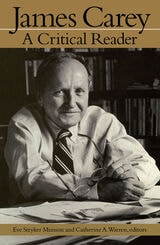
James Carey
A Critical ReaderEve Stryker Munson
University of Minnesota Press, 1997
An essential guide to the thought of a central figure in media studies .
James Carey-scholar, media critic, and teacher of journalists-almost single-handedly established the importance of defining a cultural perspective when analyzing communications. Interspersing Carey’s major essays with articles exploring his central themes and their importance, this collection provides a critical introduction to the work of this significant figure.
Long before the “interpretive turn” became the fashion in the humanities and sociology, Carey was busily studying and combining the ideas of an impressive array of philosophers, sociologists, historians, and anthropologists, including John Dewey, Clifford Geertz, Raymond Williams, Thomas Kuhn, Max Weber, C. Wright Mills, Richard Rorty, Jürgen Habermas, Harold Innis, and Lewis Mumford. In James Carey: A Critical Reader, seven scholars who have been influenced by him consider his work and how it has affected the development of media studies. Carey has demonstrated that mass communications serve a complex function in society, with one central question reflecting his concerns: How does one make democracy work in a vast country that spans a continent? In his view, symbols, language, and those who create them are reality-creating, rather than reality-reflecting. Carey has examined the roles the media and the academy have played in creating and maintaining a public sphere, as well as the ways technology helps or hinders that project. Carey’s themes range from the strains on democracy and drawbacks of technology to the critique of journalism and the politics of academe. Contributors: G. Stuart Adam, Carleton U, Canada; James Carey, Columbia U; Carolyn Marvin, U of Pennsylvania; John Pauly, St. Louis U; Jay Rosen, New York U; Michael Schudson, U of California, San Diego.
Jane the Citizen
Conditional Belonging and Latinx Representation on TVLitzy Galarza
University of Arizona Press, 2027
What does it mean to belong in the United States—and what does it cost? Jane the Citizen confronts one of the most urgent questions in contemporary cultural life by turning to an unlikely archive: the CW’s celebrated telenovela-inspired series Jane the Virgin (2014–2019).
Litzy Galarza argues that beneath the show’s warmth and wit lies a sustained interrogation of citizenship’s limits. Building on Hector Amaya’s framework of citizenship excess and extending it to theorize reproductive citizenship excess and deficit, the book exposes the widening gap between citizenship as formal legal status and citizenship as livable, protected belonging—a gap that Jane the Virgin maps with extraordinary precision.
Across five seasons and two presidential administrations, Galarza demonstrates how the series tracks the lived costs of immigration policy, racial hierarchy, and gendered control over reproduction. She shows how Latinx characters experience belonging differently as political conditions shift in real time.
Janelle Monáe's Queer Afrofuturism
Defying Every LabelDan Hassler-Forest
Rutgers University Press, 2022
Janelle Monáe is all these things and more, making her one of the most fascinating artists to emerge in the twenty-first century. This provocative new study explores how Monáe’s work has connected different media platforms to strengthen and enhance new movements in art, theory, and politics. It considers not only Monáe’s groundbreaking albums The ArchAndroid, The Electric Lady, and Dirty Computer, but also Monáe’s work as an actress in such films as Hidden Figures and Antebellum, as well as her soundtrack appearances in socially-engaged projects ranging from I May Destroy You to Us. Examining Monáe as a cultural icon whose work is profoundly intersectional, this book maps how she is actively reshaping discourses around race, gender, sexuality, and capitalism. Tracing Monáe’s performances of joy, desire, pain, and hope across a wide range of media forms, it shows how she imagines Afrofuturist, posthumanist, and postcapitalist utopias, while remaining grounded in the realities of being a Black woman in a white-dominated industry. This is an exciting introduction to an audacious innovator whose work offers us fresh ways to talk about identity, desire, and power.
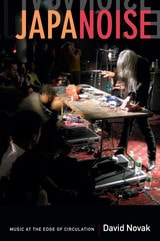
Japanoise
Music at the Edge of CirculationDavid Novak
Duke University Press, 2013
For its scattered listeners, Noise always seems to be new and to come from somewhere else: in North America, it was called "Japanoise." But does Noise really belong to Japan? Is it even music at all? And why has Noise become such a compelling metaphor for the complexities of globalization and participatory media at the turn of the millennium?
In Japanoise, David Novak draws on more than a decade of research in Japan and the United States to trace the "cultural feedback" that generates and sustains Noise. He provides a rich ethnographic account of live performances, the circulation of recordings, and the lives and creative practices of musicians and listeners. He explores the technologies of Noise and the productive distortions of its networks. Capturing the textures of feedback—its sonic and cultural layers and vibrations—Novak describes musical circulation through sound and listening, recording and performance, international exchange, and the social interpretations of media.
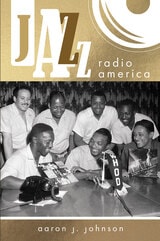
Jazz Radio America
Aaron J. Johnson
University of Illinois Press, 2024
An interwoven story of a music and a medium, Jazz Radio America answers perennial questions about why certain kinds of jazz get played and why even that music is played in so few places.
John Steinbeck Goes to War
The Moon is Down as PropagandaDonald V. Coers
University of Alabama Press, 2005
WINNER OF THE ELIZABETH AGEE PRIZE IN AMERICAN LITERATURE
When words became weapons—Steinbeck’s novel and the underground war for freedom.
In March 1942, a desperate period for the allies in World War II, John Steinbeck published his propaganda novel The Moon is Down—the story of ruthless invaders who overrun a militarily helpless country. Throughout the novel, Steinbeck underscored both the fatal weakness of the “invincible” unnamed aggressors and the inherent power of the human values shard by the “conquered” people.
The Moon is Down created an immediate sensation among American literary critics; fierce debate erupted over Steinbeck’s uncommonly sympathetic portrayal of the enemy and the novel’s power as a vehicle for propaganda. Fifty years later, Coers continues the debate, relying heavily on unpublished letters and personal interviews with the lawyers, book dealers, actors, publishers, and housewives associated with the resistance movements in Western Europe. Clandestine translations of The Moon Is Down quickly appeared and were widely circulated under the noses of the Gestapo. Coers documents the fate of Steinbeck’s novel in the hands of World War II resistance fighters and deepens our appreciation of Steinbeck’s unique ability to express the feelings of oppressed peoples.
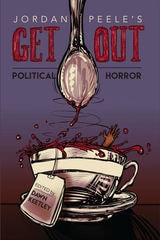
Jordan Peele's Get Out
Political HorrorEdited by Dawn Keetley
The Ohio State University Press, 2020

Journal of Cinema and Media Studies, vol. 61, no. 1
Michigan Publishing Services, 2022
The Journal of Cinema and Media Studies is the peer-reviewed, scholarly publication of the Society for Cinema and Media Studies (SCMS). The journal was renamed (from Cinema Journal) in October 2018.
JCMS’s basic mission is to foster engaged debate and rigorous thinking among humanities scholars of film, television, digital media, and other audiovisual technologies. We are committed to the aesthetic, political, and cultural interpretation of these media and their production, circulation, and reception.
To that end, JCMS is dedicated to intellectual diversity of all kinds. We publish critical inquiry into the global, national, and local circulation of a wide variety of media. We seek to promote a range of approaches to film and media studies and attendant fields, including (but not limited to) digital media, sound studies, visual culture, video game studies, fan studies, and avant-garde and experimental film and media practices. We do not adhere to any methodological approach to media studies, nor do we focus on particular emphases in the field. The journal is open to all areas of humanities-oriented scholarship in media studies, including digital humanities.
Journal of Cinema and Media Studies, vol. 64, no. 1
Michigan Publishing Services, 2024
The Journal of Cinema and Media Studies is the peer-reviewed, scholarly publication of the Society for Cinema and Media Studies (SCMS). The journal was renamed (from Cinema Journal) in October 2018.
JCMS’s basic mission is to foster engaged debate and rigorous thinking among humanities scholars of film, television, digital media, and other audiovisual technologies. We are committed to the aesthetic, political, and cultural interpretation of these media and their production, circulation, and reception.
To that end, JCMS is dedicated to intellectual diversity of all kinds. We publish critical inquiry into the global, national, and local circulation of a wide variety of media. We seek to promote a range of approaches to film and media studies and attendant fields, including (but not limited to) digital media, sound studies, visual culture, video game studies, fan studies, and avant-garde and experimental film and media practices. We do not adhere to any methodological approach to media studies, nor do we focus on particular emphases in the field. The journal is open to all areas of humanities-oriented scholarship in media studies, including digital humanities.
Journal of Cinema and Media Studies, vol. 64, no. 2
Michigan Publishing Services, 2025
The Journal of Cinema and Media Studies is the peer-reviewed, scholarly publication of the Society for Cinema and Media Studies (SCMS). The journal was renamed (from Cinema Journal) in October 2018.
JCMS’s basic mission is to foster engaged debate and rigorous thinking among humanities scholars of film, television, digital media, and other audiovisual technologies. We are committed to the aesthetic, political, and cultural interpretation of these media and their production, circulation, and reception.
To that end, JCMS is dedicated to intellectual diversity of all kinds. We publish critical inquiry into the global, national, and local circulation of a wide variety of media. We seek to promote a range of approaches to film and media studies and attendant fields, including (but not limited to) digital media, sound studies, visual culture, video game studies, fan studies, and avant-garde and experimental film and media practices. We do not adhere to any methodological approach to media studies, nor do we focus on particular emphases in the field. The journal is open to all areas of humanities-oriented scholarship in media studies, including digital humanities.
Journal of Cinema and Media Studies, vol. 64, no. 3
Michigan Publishing Services, 2025
The Journal of Cinema and Media Studies is the peer-reviewed, scholarly publication of the Society for Cinema and Media Studies (SCMS). The journal was renamed (from Cinema Journal) in October 2018.
JCMS’s basic mission is to foster engaged debate and rigorous thinking among humanities scholars of film, television, digital media, and other audiovisual technologies. We are committed to the aesthetic, political, and cultural interpretation of these media and their production, circulation, and reception.
To that end, JCMS is dedicated to intellectual diversity of all kinds. We publish critical inquiry into the global, national, and local circulation of a wide variety of media. We seek to promote a range of approaches to film and media studies and attendant fields, including (but not limited to) digital media, sound studies, visual culture, video game studies, fan studies, and avant-garde and experimental film and media practices. We do not adhere to any methodological approach to media studies, nor do we focus on particular emphases in the field. The journal is open to all areas of humanities-oriented scholarship in media studies, including digital humanities.
Journal of Cinema and Media Studies, vol. 64, no. 4
Michigan Publishing Services, 2025
The Journal of Cinema and Media Studies is the peer-reviewed, scholarly publication of the Society for Cinema and Media Studies (SCMS). The journal was renamed (from Cinema Journal) in October 2018.
JCMS’s basic mission is to foster engaged debate and rigorous thinking among humanities scholars of film, television, digital media, and other audiovisual technologies. We are committed to the aesthetic, political, and cultural interpretation of these media and their production, circulation, and reception.
To that end, JCMS is dedicated to intellectual diversity of all kinds. We publish critical inquiry into the global, national, and local circulation of a wide variety of media. We seek to promote a range of approaches to film and media studies and attendant fields, including (but not limited to) digital media, sound studies, visual culture, video game studies, fan studies, and avant-garde and experimental film and media practices. We do not adhere to any methodological approach to media studies, nor do we focus on particular emphases in the field. The journal is open to all areas of humanities-oriented scholarship in media studies, including digital humanities.
Journal of Cinema and Media Studies, vol. 65, no. 1
Michigan Publishing Services, 2025
The Journal of Cinema and Media Studies is the peer-reviewed, scholarly publication of the Society for Cinema and Media Studies (SCMS). The journal was renamed (from Cinema Journal) in October 2018.
JCMS’s basic mission is to foster engaged debate and rigorous thinking among humanities scholars of film, television, digital media, and other audiovisual technologies. We are committed to the aesthetic, political, and cultural interpretation of these media and their production, circulation, and reception.
To that end, JCMS is dedicated to intellectual diversity of all kinds. We publish critical inquiry into the global, national, and local circulation of a wide variety of media. We seek to promote a range of approaches to film and media studies and attendant fields, including (but not limited to) digital media, sound studies, visual culture, video game studies, fan studies, and avant-garde and experimental film and media practices. We do not adhere to any methodological approach to media studies, nor do we focus on particular emphases in the field. The journal is open to all areas of humanities-oriented scholarship in media studies, including digital humanities.
Journal of Cinema and Media Studies, vol. 65, no. 2
Michigan Publishing Services, 2026
The Journal of Cinema and Media Studies is the peer-reviewed, scholarly publication of the Society for Cinema and Media Studies (SCMS). The journal was renamed (from Cinema Journal) in October 2018.
JCMS’s basic mission is to foster engaged debate and rigorous thinking among humanities scholars of film, television, digital media, and other audiovisual technologies. We are committed to the aesthetic, political, and cultural interpretation of these media and their production, circulation, and reception.
To that end, JCMS is dedicated to intellectual diversity of all kinds. We publish critical inquiry into the global, national, and local circulation of a wide variety of media. We seek to promote a range of approaches to film and media studies and attendant fields, including (but not limited to) digital media, sound studies, visual culture, video game studies, fan studies, and avant-garde and experimental film and media practices. We do not adhere to any methodological approach to media studies, nor do we focus on particular emphases in the field. The journal is open to all areas of humanities-oriented scholarship in media studies, including digital humanities.
Journal of Cinema and Media Studies, vol. 65, no. 3
Michigan Publishing Services, 2026
The Journal of Cinema and Media Studies is the peer-reviewed, scholarly publication of the Society for Cinema and Media Studies (SCMS). The journal was renamed (from Cinema Journal) in October 2018.
JCMS’s basic mission is to foster engaged debate and rigorous thinking among humanities scholars of film, television, digital media, and other audiovisual technologies. We are committed to the aesthetic, political, and cultural interpretation of these media and their production, circulation, and reception.
To that end, JCMS is dedicated to intellectual diversity of all kinds. We publish critical inquiry into the global, national, and local circulation of a wide variety of media. We seek to promote a range of approaches to film and media studies and attendant fields, including (but not limited to) digital media, sound studies, visual culture, video game studies, fan studies, and avant-garde and experimental film and media practices. We do not adhere to any methodological approach to media studies, nor do we focus on particular emphases in the field. The journal is open to all areas of humanities-oriented scholarship in media studies, including digital humanities.
Journal of Cinema and Media Studies, vol. 65, no. 4
Michigan Publishing Services, 2026
The Journal of Cinema and Media Studies is the peer-reviewed, scholarly publication of the Society for Cinema and Media Studies (SCMS). The journal was renamed (from Cinema Journal) in October 2018.
JCMS’s basic mission is to foster engaged debate and rigorous thinking among humanities scholars of film, television, digital media, and other audiovisual technologies. We are committed to the aesthetic, political, and cultural interpretation of these media and their production, circulation, and reception.
To that end, JCMS is dedicated to intellectual diversity of all kinds. We publish critical inquiry into the global, national, and local circulation of a wide variety of media. We seek to promote a range of approaches to film and media studies and attendant fields, including (but not limited to) digital media, sound studies, visual culture, video game studies, fan studies, and avant-garde and experimental film and media practices. We do not adhere to any methodological approach to media studies, nor do we focus on particular emphases in the field. The journal is open to all areas of humanities-oriented scholarship in media studies, including digital humanities.

Journalism Re-examined
Digital Challenges and Professional Orientations (Lessons from Northern Europe)Edited by Martin Eide, Helle Sjøvaag, and Leif Ove Larsen
Intellect Books, 2016
Journalism and Jim Crow
White Supremacy and the Black Struggle for a New AmericaEdited by Kathy Roberts Forde and Sid Bedingfield
University of Illinois Press, 2021
White publishers and editors used their newspapers to build, nurture, and protect white supremacy across the South in the decades after the Civil War. At the same time, a vibrant Black press fought to disrupt these efforts and force the United States to live up to its democratic ideals. Journalism and Jim Crow centers the press as a crucial political actor shaping the rise of the Jim Crow South. The contributors explore the leading role of the white press in constructing an anti-democratic society by promoting and supporting not only lynching and convict labor but also coordinated campaigns of violence and fraud that disenfranchised Black voters. They also examine the Black press’s parallel fight for a multiracial democracy of equality, justice, and opportunity for all—a losing battle with tragic consequences for the American experiment.
Original and revelatory, Journalism and Jim Crow opens up new ways of thinking about the complicated relationship between journalism and power in American democracy.
Contributors: Sid Bedingfield, Bryan Bowman, W. Fitzhugh Brundage, Kathy Roberts Forde, Robert Greene II, Kristin L. Gustafson, D'Weston Haywood, Blair LM Kelley, and Razvan Sibii
Journalism, Society and Politics in the Digital Media Era
Edited by Nael Jebril, Stephen Jukes, Sofia Iordanidou, and Emmanouil Takas
Intellect Books, 2020
Journalistic Autonomy
The Genealogy of a ConceptHenrik Örnebring
University of Missouri Press, 2022
The idea that journalism should be independent is foundational to its contemporary understandings and its role in democracy. But from what, exactly, should journalism be independent? This book traces the genealogy of the idea of journalistic autonomy, from the press freedom debates of the 17th century up to the digital, networked world of the 21st. Using an eclectic and thought-provoking theoretical framework that draws upon Friedrich Nietzsche, feminist philosophy, and theoretical biology, the authors analyze the deeper meanings and uses of the terms independence and autonomy in journalism.
This work tackles, in turn, questions of journalism’s independence from the state, politics, the market, sources, the workplace, the audience, technology, and algorithms. Using broad historical strokes as well as detailed historical case studies, the authors argue that autonomy can only be meaningful if it has a purpose. Unfortunately, for large parts of journalism’s history this purpose has been the maintenance of a societal status quo and the exclusion of large groups of the population from the democratic polity. “Independence,” far from being a shining ideal to which all journalists must aspire, has instead often been used to mask the very dependencies that lie at the heart of journalism. The authors posit, however, that by learning the lessons of history and embracing a purpose fit for the needs of the 21st century world, journalism might reclaim its autonomy and redeem its exclusionary uses of independence.
Jugaad Time
Ecologies of Everyday Hacking in IndiaAmit S. Rai
Duke University Press, 2019
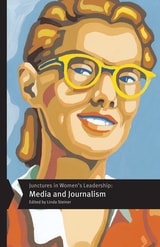
Junctures in Women’s Leadership
Media and JournalismLinda Steiner
Rutgers University Press, 2025
This book offers profiles of inspiring women in prominent media positions from the nineteenth century to today, beginning with trailblazers like abolitionist publisher Mary Ann Shadd and Memphis Free Speech anti-lynching editor Ida B. Wells. The book takes an in-depth look at the leadership styles of well-known media moguls like Oprah Winfrey and Washington Post publisher Katharine Graham. Other chapters highlight women now emerging as media leaders, such as digital media executive S. Mitra Kalita and Iman Zawahry, a Muslim hijabi filmmaker. Bringing together cases from print, broadcast, public relations, film, and digital media, this book offers useful insights into how to be an effective leader in an ever-changing industry.
Just Like Us
Digital Debates on Feminism and FameCaitlin E. Lawson
Rutgers University Press, 2023
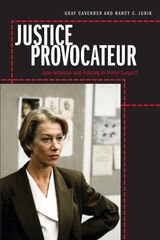
Justice Provocateur
Jane Tennison and Policing in Prime SuspectGray Cavender and Nancy C. Jurik
University of Illinois Press, 2012