Results by title
3745 books match the query 'Europe' and 307 start with m
Middle English Dictionary
S.11Robert E. Lewis, Editor-in-Chief
University of Michigan Press, 1989
Middle English Dictionary
S.12Robert E. Lewis, Editor-in-Chief
University of Michigan Press, 1990
Middle English Dictionary
S.13Robert E. Lewis, Editor-in-Chief
University of Michigan Press, 1990
Middle English Dictionary
S.14Robert E. Lewis, Editor-in-Chief
University of Michigan Press, 1990
Middle English Dictionary
S.15Robert E. Lewis, Editor-in-Chief
University of Michigan Press, 1991
Middle English Dictionary
S.16Robert E. Lewis, Editor-in-Chief
University of Michigan Press, 1991
Middle English Dictionary
S.17Robert E. Lewis, Editor-in-Chief
University of Michigan Press, 1992
Middle English Dictionary
S.18Robert E. Lewis, Editor-in-Chief
University of Michigan Press, 1992
Middle English Dictionary
S.2Robert E. Lewis, Editor-in-Chief
University of Michigan Press, 1986
Middle English Dictionary
S.3Robert E. Lewis, Editor-in-Chief
University of Michigan Press, 1987
Middle English Dictionary
S.4Robert E. Lewis, Editor-in-Chief
University of Michigan Press, 1987
Middle English Dictionary
S.5Robert E. Lewis, Editor-in-Chief
University of Michigan Press, 1987
Middle English Dictionary
S.6Robert E. Lewis, Editor-in-Chief
University of Michigan Press, 1988
Middle English Dictionary
S.7Robert E. Lewis, Editor-in-Chief
University of Michigan Press, 1988
Middle English Dictionary
S.8Robert E. Lewis, Editor-in-Chief
University of Michigan Press, 1988
Middle English Dictionary
S.9Robert E. Lewis, Editor-in-Chief
University of Michigan Press, 1988
Middle English Dictionary
T.1Robert E. Lewis, Editor-in-Chief
University of Michigan Press, 1993
Middle English Dictionary
T.10Robert E. Lewis, Editor-in-Chief
University of Michigan Press, 1997
The Middle English Dictionary is a monumental scholarly endeavor that began more than fifty years ago and is expected to be completed in the late-1990s. The task of the editors compiling the dictionary is to document the English language from just after the Norman Conquest up to the introduction of the printing press at the end of the 1400s. With that innovation the language became more or less standardized, but during the Middle Ages the language was evolving under the stress of events and social change, particularly as French culture was absorbed into the language. These were truly the formative years of the English language, and they present major challenges to lexicographers.
Published volumes include all fascicles from A.1 through T.10, plus the Plan and Bibliography.
Middle English Dictionary
T.2Robert E. Lewis, Editor-in-Chief
University of Michigan Press, 1993
Middle English Dictionary
T.3Robert E. Lewis, Editor-in-Chief
University of Michigan Press, 1994
Middle English Dictionary
T.4Robert E. Lewis, Editor-in-Chief
University of Michigan Press, 1994
Middle English Dictionary
T.5Robert E. Lewis, Editor-in-Chief
University of Michigan Press, 1995
Middle English Dictionary
T.6Robert E. Lewis, Editor-in-Chief
University of Michigan Press, 1995
Middle English Dictionary
T.7Robert E. Lewis, Editor-in-Chief
University of Michigan Press, 1996
The Middle English Dictionary is a monumental scholarly endeavor that began more than fifty years ago and is expected to be completed in the late-1990s. The task of the editors compiling the dictionary is to document the English language from just after the Norman Conquest up to the introduction of the printing press at the end of the 1400s. With that innovation the language became more or less standardized, but during the Middle Ages the language was evolving under the stress of events and social change, particularly as French culture was absorbed into the language. These were truly the formative years of the English language, and they present major challenges to lexicographers.
Published volumes include all fascicles from A.1 through T.10, plus the Plan and Bibliography.
Middle English Dictionary
T.8Robert E. Lewis, Editor-in-Chief
University of Michigan Press, 1996
The Middle English Dictionary is a monumental scholarly endeavor that began more than fifty years ago and is expected to be completed in the late-1990s. The task of the editors compiling the dictionary is to document the English language from just after the Norman Conquest up to the introduction of the printing press at the end of the 1400s. With that innovation the language became more or less standardized, but during the Middle Ages the language was evolving under the stress of events and social change, particularly as French culture was absorbed into the language. These were truly the formative years of the English language, and they present major challenges to lexicographers.
Published volumes include all fascicles from A.1 through T.10, plus the Plan and Bibliography.
Middle English Dictionary
T.9Robert E. Lewis, Editor-in-Chief
University of Michigan Press, 1997
The Middle English Dictionary is a monumental scholarly endeavor that began more than fifty years ago and is expected to be completed in the late-1990s. The task of the editors compiling the dictionary is to document the English language from just after the Norman Conquest up to the introduction of the printing press at the end of the 1400s. With that innovation the language became more or less standardized, but during the Middle Ages the language was evolving under the stress of events and social change, particularly as French culture was absorbed into the language. These were truly the formative years of the English language, and they present major challenges to lexicographers.
Published volumes include all fascicles from A.1 through T.10, plus the Plan and Bibliography.
Middle English Dictionary
U.1Robert E. Lewis, Editor-in-Chief
University of Michigan Press, 1997
The Middle English Dictionary is a monumental scholarly endeavor that began more than fifty years ago and is expected to be completed in 2001. The task of the editors compiling the dictionary is to document the English language from just after the Norman Conquest up to the introduction of the printing press at the end of the 1400s. With that innovation the language became more or less standardized, but during the Middle Ages the language was evolving under the stress of events and social change, particularly as French culture was absorbed into the language. These were truly the formative years of the English language, and they present major challenges to lexicographers.
Fascicles U.1, U.2, and U.3 are the most recent additions to this ongoing undertaking. Published volumes include all fascicles from A.1 through U.3, plus the Plan and Bibliography.
Middle English Dictionary
U.2Robert E. Lewis, Editor-in-Chief
University of Michigan Press, 1998
The Middle English Dictionary is a monumental scholarly endeavor that began more than fifty years ago and is expected to be completed in 2001. The task of the editors compiling the dictionary is to document the English language from just after the Norman Conquest up to the introduction of the printing press at the end of the 1400s. With that innovation the language became more or less standardized, but during the Middle Ages the language was evolving under the stress of events and social change, particularly as French culture was absorbed into the language. These were truly the formative years of the English language, and they present major challenges to lexicographers.
Fascicles U.1, U.2, and U.3 are the most recent additions to this ongoing undertaking. Published volumes include all fascicles from A.1 through U.3, plus the Plan and Bibliography.
Middle English Dictionary
U.3Robert E. Lewis, Editor-in-Chief
University of Michigan Press, 1998
The Middle English Dictionary is a monumental scholarly endeavor that began more than fifty years ago and is expected to be completed in 2001. The task of the editors compiling the dictionary is to document the English language from just after the Norman Conquest up to the introduction of the printing press at the end of the 1400s. With that innovation the language became more or less standardized, but during the Middle Ages the language was evolving under the stress of events and social change, particularly as French culture was absorbed into the language. These were truly the formative years of the English language, and they present major challenges to lexicographers.
Fascicles U.1, U.2, and U.3 are the most recent additions to this ongoing undertaking. Published volumes include all fascicles from A.1 through U.3, plus the Plan and Bibliography.
Middle English Dictionary
U.4Robert E. Lewis, Editor-in-Chief
University of Michigan Press, 1998
Middle English Dictionary
VRobert E. Lewis, Editor-in-Chief
University of Michigan Press, 1999
The Middle English Dictionary, a monumental scholarly endeavor that began more than fifty years ago, is scheduled to be completed in 2001. The task of the editors compiling the dictionary is to document the English language from just after the Norman Conquest to the introduction of the printing press at the end of the 1400s. With that innovation the language became more or less standardized, but during the Middle Ages the language was evolving under the stress of events and social change, particularly as French culture was absorbed into the language. These were truly the formative years of the English language, and they present major challenges to lexicographers.
Fascicles V.1, W.1, and W.2 are the most recent additions to this ongoing undertaking. Published volumes include all fascicles from A.1 through U.3, plus the Plan and Bibliography.
Middle English Dictionary
W.1Robert E. Lewis, Editor-in-Chief
University of Michigan Press, 1999
The Middle English Dictionary, a monumental scholarly endeavor that began more than fifty years ago, is scheduled to be completed in 2001. The task of the editors compiling the dictionary is to document the English language from just after the Norman Conquest to the introduction of the printing press at the end of the 1400s. With that innovation the language became more or less standardized, but during the Middle Ages the language was evolving under the stress of events and social change, particularly as French culture was absorbed into the language. These were truly the formative years of the English language, and they present major challenges to lexicographers.
Fascicles V.1, W.1, and W.2 are the most recent additions to this ongoing undertaking. Published volumes include all fascicles from A.1 through U.3, plus the Plan and Bibliography.
Middle English Dictionary
W.2Robert E. Lewis, Editor-in-Chief
University of Michigan Press, 1999
The Middle English Dictionary, a monumental scholarly endeavor that began more than fifty years ago, is scheduled to be completed in 2001. The task of the editors compiling the dictionary is to document the English language from just after the Norman Conquest to the introduction of the printing press at the end of the 1400s. With that innovation the language became more or less standardized, but during the Middle Ages the language was evolving under the stress of events and social change, particularly as French culture was absorbed into the language. These were truly the formative years of the English language, and they present major challenges to lexicographers.
Fascicles V.1, W.1, and W.2 are the most recent additions to this ongoing undertaking. Published volumes include all fascicles from A.1 through U.3, plus the Plan and Bibliography.
Middle English Dictionary
W.3Robert E. Lewis, Editor-in-Chief
University of Michigan Press, 2000
Middle English Dictionary
W.4Robert E. Lewis, Editor-in-Chief
University of Michigan Press, 2000
TheMiddle English Dictionary, a monumental scholarly endeavor that began more than fifty years ago, is completed with the publication of these remaining fascicles. The task of the editors compiling the dictionary is to document the English language from just after the Norman Conquest up to the introduction of the printing press at the end of the 1400s. With that innovation the language became more or less standardized, but during the Middle Ages the language was evolving under the stress of events and social change, particularly as French culture was absorbed into the language. These were truly the formative years of the English language, and they present major challenges to lexicographers.
Middle English Dictionary
W.5Robert E. Lewis, Editor-in-Chief
University of Michigan Press, 2000
TheMiddle English Dictionary, a monumental scholarly endeavor that began more than fifty years ago, is completed with the publication of these remaining fascicles. The task of the editors compiling the dictionary is to document theE nglish language from just after the Norman Conquest up to the introduction of the printing press at the end of the 1400s. With that innovation the language became more or less standardized, but during the Middle Ages the language was evolving under the stress of events and social change, particularly as French culture was absorbed into the language. These were truly the formative years of the English language, and they present major challenges to lexicographers.
Middle English Dictionary
W.6Robert E. Lewis, Editor-in-Chief
University of Michigan Press, 2000
TheMiddle English Dictionary, a monumental scholarly endeavor that began more than fifty years ago, is completed with the publication of these remaining fascicles. The task of the editors compiling the dictionary is to document theE nglish language from just after the Norman Conquest up to the introduction of the printing press at the end of the 1400s. With that innovation the language became more or less standardized, but during the Middle Ages the language was evolving under the stress of events and social change, particularly as French culture was absorbed into the language. These were truly the formative years of the English language, and they present major challenges to lexicographers.
Fascicle X/Y/Z is the final addition to this incredible undertaking. Published volumes include all fascicles from A.1 through X/Y/Z, plus the Plan and Bibliography.
Middle English Dictionary
W.7Robert E. Lewis, Editor-in-Chief
University of Michigan Press, 2001
TheMiddle English Dictionary, a monumental scholarly endeavor that began more than fifty years ago, is completed with the publication of these remaining fascicles. The task of the editors compiling the dictionary is to document theE nglish language from just after the Norman Conquest up to the introduction of the printing press at the end of the 1400s. With that innovation the language became more or less standardized, but during the Middle Ages the language was evolving under the stress of events and social change, particularly as French culture was absorbed into the language. These were truly the formative years of the English language, and they present major challenges to lexicographers.
Fascicle X/Y/Z is the final addition to this incredible undertaking. Published volumes include all fascicles from A.1 through X/Y/Z, plus the Plan and Bibliography.
Middle English Dictionary
W.8Robert E. Lewis, Editor-in-Chief
University of Michigan Press, 2001
TheMiddle English Dictionary, a monumental scholarly endeavor that began more than fifty years ago, is completed with the publication of these remaining fascicles. The task of the editors compiling the dictionary is to document theE nglish language from just after the Norman Conquest up to the introduction of the printing press at the end of the 1400s. With that innovation the language became more or less standardized, but during the Middle Ages the language was evolving under the stress of events and social change, particularly as French culture was absorbed into the language. These were truly the formative years of the English language, and they present major challenges to lexicographers.
Fascicle X/Y/Z is the final addition to this incredible undertaking. Published volumes include all fascicles from A.1 through X/Y/Z, plus the Plan and Bibliography.
Middle English Dictionary
X/Y/ZRobert E. Lewis, Editor-in-Chief
University of Michigan Press, 2001
TheMiddle English Dictionary, a monumental scholarly endeavor that began more than fifty years ago, is completed with the publication of these remaining fascicles. The task of the editors compiling the dictionary is to document theE nglish language from just after the Norman Conquest up to the introduction of the printing press at the end of the 1400s. With that innovation the language became more or less standardized, but during the Middle Ages the language was evolving under the stress of events and social change, particularly as French culture was absorbed into the language. These were truly the formative years of the English language, and they present major challenges to lexicographers.
Fascicles W.9 and X/Y/Z will be the final additions to this incredible undertaking. Published volumes include all fascicles from A.1 through W.8, plus the Plan and Bibliography.
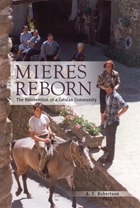
Mieres Reborn
The Reinvention of a Catalan CommunityA. F. Robertson
University of Alabama Press, 2012
Mieres Reborn reveals how patient observation and an analysis of one small community have much to tell us about human progress more generally.
Not long ago Mieres, a village in the eastern foothills of the Pyrenees, seemed destined to die. As in countless thousands of rural communities around the world, young people in Mieres over the years have moved to the towns and cities, leaving behind abandoned fields and meadows, derelict houses, and their aging and disconsolate parents and grandparents.
Close observation of this social microcosm over two decades reveals the capacity of ordinary people in a locality to reinvent themselves, reconstruct relationships with the wider world, and confront new threats to their collective survival. A. F. Robertson describes how the determination that Mieres should survive is most evident in a vigorous round of fiestas, fairs, and other public events in which natives, exiles, and newcomers work to create a lively sense of belonging. Since the 1980s, Mieres has been enlivened by a reverse flow of migrants from the cities, new settlers who have brought an infusion of youth to the community, devised new livelihoods, revitalized the village school, energized the native ”Mierencs,” and provided the impetus for a rediscovery of historical roots and political identity.
The regeneration of life in the countryside, in part a reaction to urban expansion and decay, is a global phenomenon of increasing political, economic, and social significance.
Migration, Mill Work, and Portuguese Communities in New England
Edited by Cristiana Bastos, Bela Feldman-Bianco, and Miguel Moniz
Tagus Press, 2024
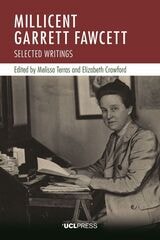
Millicent Garrett Fawcett
Selected WritingsEdited by Melissa Terras and Elizabeth Crawford
University College London, 2022
“Courage calls to courage everywhere” is the best-known phrase associated with Millicent Garrett Fawcett (1847–1929), the leading UK suffragist and women’s rights campaigner of the late nineteenth and early twentieth centuries. But what is the source of her quote, and what is its context?
This book reproduces Fawcett’s essential speeches, pamphlets, and newspaper columns to tell the story of her dynamic contribution to public life. Thirty-five texts and twenty-two images are contextualized and linked to contemporary news coverage as well as to historical and literary references. These speeches, articles, artworks, and photographs cover both the advances and the defeats in the campaign for women’s votes. They also demonstrate a variety of the topics and causes Fawcett pursued: the provision of education for women, feminist history, a love of literature (and Fawcett’s own attempt at fiction), purity and temperance, the campaign against the employment of children, the British Army’s approach to the South African War, the Unionist cause against Home Rule for Ireland, and the role of suffrage organizations during World War I. This volume offers a rich, intertextual web of literary works, preferred reading material, organizations, contacts, friends, and sometimes enemies, that reveals Fawcett the individual throughout sixty-one years of campaigning.

Minimum Wages in Central and Eastern Europe
From Protection to DestitutionGuy Standing
Central European University Press, 1995
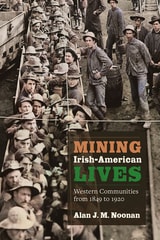
Mining Irish-American Lives
Western Communities from 1849 to 1920Alan J. M. Noonan
University Press of Colorado, 2022
Historian Alan J. M. Noonan uses a range of previously overlooked sources, including collections of emigrant letters, hospital logbooks, private detective reports, and internment records, to tell the stories of Irish men and women who emigrated to mining towns to search for opportunity. Noonan details the periods, the places, and the experiences over multiple generations in the late nineteenth and early twentieth centuries. He carefully examines their encounters with nativists, other ethnic groups, and mining companies to highlight the contested emergence of a hyphenated Irish-American identity.
Unearthing personal details along with the histories of different communities, the book investigates Irish immigrants and Irish-Americans through the prism of their own experiences, significantly enriching the history of the period.
Ministry to the Sick and Dying in the Late Medieval Church
Thomas M. Izbicki
Catholic University of America Press, 2023
Minorities and Law in Czechoslovakia
Jan Kuklík and René Petráš
Karolinum Press, 2017
Mirabile Dictu
Representations of the Marvelous in Medieval and Renaissance EpicDouglas Biow
University of Michigan Press, 1996

Miracles & Prophecies in Nineteenth-Century France
SELMAN, THOMAS K
Rutgers University Press, 1983
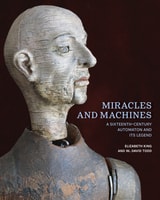
Miracles and Machines
A Sixteenth-Century Automaton and Its LegendElizabeth King
J. Paul Getty Trust, The, 0
This volume tells the singular story of an uncanny, rare object at the cusp of art and science: a 450-year-old automaton known as “the monk.” The walking, gesticulating figure of a friar, in the collection of the Smithsonian Institution’s National Museum of American History, is among the earliest extant ancestors of the self-propelled robot. According to legend connected to the court of Philip II of Spain, the monk represents a portrait of Diego de Alcalá, a humble Franciscan lay brother whose holy corpse was said to be agent to the miraculous cure of Spain’s crown prince as he lay dying in 1562.
In tracking the origins of the monk and its legend, the authors visited archives, libraries, and museums across the United States and Europe, probing the paradox of a mechanical object performing an apparently spiritual act. They identified seven kindred automata from the same period, which, they argue, form a paradigmatic class of walking “prime movers,” unprecedented in their combination of visual and functional realism. While most of the literature on automata focuses on the Enlightenment, this enthralling narrative journeys back to the late Renaissance, when clockwork machinery was entirely new, foretelling the evolution of artificial life to come.