Results by title
395 books match the query 'How' and 5 start with n
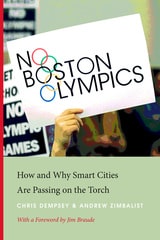
No Boston Olympics
How and Why Smart Cities Are Passing on the TorchChris Dempsey and Andrew Zimbalist
University Press of New England, 2017
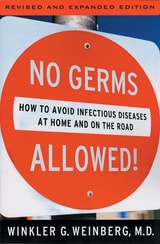
No Germs Allowed!
How to Avoid Infectious Diseases At Home and on the RoadWeinberg, Winkler G
Rutgers University Press, 1996
AIDS, tuberculosis, hepatitis, chickenpox, malaria, Lyme disease, salmonella, strep throat-no matter where you go or where you live, you are at risk from infectious disease. But there are ways you can protect yourself and your family!
The revised and expanded edition of this classic guide explains what you need to know to keep the germs away. From the infections of daily life, like the common cold and traveler's diarrhea, to dangerous, rare diseases such as plague, hantavirus, and invasive strep bacteria, to recent threats of mad cow disease, West Nile virus, SARS, and bioterrorism, this unique guide tells you:
- your chances of getting sick
- simple precautions you can take
- which vaccinations and shots are worthwhile
- how to avoid catching infections in the hospital
- special precautions to take if you are pregnant
- how to ward off infections even if you have chronic health problems or are HIV positive
- how to keep well while traveling
- what to eat-and not eat-on the road
- symptoms that signal trouble
- what illnesses you can get from bug bites and animals
- how to prevent sexually transmitted diseases
- who should get flu shots and why
- why you should see your doctor before you get sick
Dr. Winkler G. Weinberg lets you know what you need to worry about and what you don't.
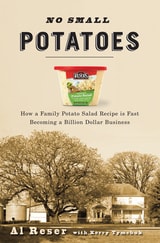
No Small Potatoes
How a Family Potato Salad Recipe is Fast Becoming a Billion Dollar BusinessAl Reser
Oregon State University Press, 2010
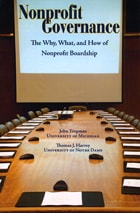
Nonprofit Governance
The Why, What, and How of Nonprofit BoardshipJohn Tropman and Thomas J. Harvey
University of Scranton Press, 2009
This thorough volume offers up-to-date information and practical guidelines for board members and executives of nonprofit organizations large and small. Among the topics addressed are the historical roots of the voluntary sector in America, a complete discussion of the key responsibilities of nonprofit boards, suggestions for board organization, appropriate protocol for meetings, legal issues affecting nonprofit groups, and useful tools for self-assessment. This guide will be indispensable to the almost two million nonprofit organizations existing in the United States today.
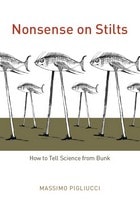
Nonsense on Stilts
How to Tell Science from BunkMassimo Pigliucci
University of Chicago Press, 2010
Recent polls suggest that fewer than 40 percent of Americans believe in Darwin’s theory of evolution, despite it being one of science’s best-established findings. More and more parents are refusing to vaccinate their children for fear it causes autism, though this link can been consistently disproved. And about 40 percent of Americans believe that the threat of global warming is exaggerated, despite near consensus in the scientific community that manmade climate change is real.
Why do people believe bunk? And what causes them to embrace such pseudoscientific beliefs and practices? Noted skeptic Massimo Pigliucci sets out to separate the fact from the fantasy in this entertaining exploration of the nature of science, the borderlands of fringe science, and—borrowing a famous phrase from philosopher Jeremy Bentham—the nonsense on stilts. Presenting case studies on a number of controversial topics, Pigliucci cuts through the ambiguity surrounding science to look more closely at how science is conducted, how it is disseminated, how it is interpreted, and what it means to our society. The result is in many ways a “taxonomy of bunk” that explores the intersection of science and culture at large.
No one—not the public intellectuals in the culture wars between defenders and detractors of science nor the believers of pseudoscience themselves—is spared Pigliucci’s incisive analysis. In the end, Nonsense on Stilts is a timely reminder of the need to maintain a line between expertise and assumption. Broad in scope and implication, it is also ultimately a captivating guide for the intelligent citizen who wishes to make up her own mind while navigating the perilous debates that will affect the future of our planet.