Results by title
124 books match the query 'Information technology' and 8 start with n
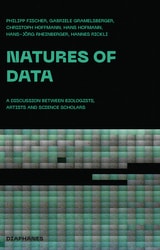
Natures of Data
A Discussion between Biologists, Artists and Science ScholarsPhilipp Fischer, Gabriele Gramelsberger, Christoph Hoffmann, Hans Hofmann, Hans-Jörg Rheinberger, and Hannes Rickli
Diaphanes, 2020
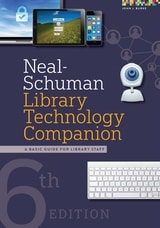
Neal-Schuman Library Technology Companion
A Basic Guide for Library StaffJohn J. Burke
American Library Association, 2020
Carrying over the reorganization that made the fifth edition such a convenient learning resource for students and working professionals alike, the newest edition of this comprehensive library technology primer is timelier and more compelling than ever. Burke's guide should be at the top of the reading list for any current or future library professional looking to stay at the forefront of technological advancement. Updated with new case studies to illuminate key areas, its incisive coverage includes
- complete analysis of the librarian's technological toolbox for teaching, security, databases, and more;
- expert advice on how to compare and evaluate competing technology solutions;
- social media, streaming media, and educating patrons about digital privacy;
- makerspaces and other technology programing, including virtual and augmented reality technologies;
- technology lending programs;
- open source catalog systems, discovery layers, and related library management systems;
- websites, web-based services, and free information resources;
- copyright and licensing as they pertain to the use of digital materials;
- new technology predictions for the future, with tips on how to stay up to date with the latest developments; and
- a refreshed glossary of useful terms.
Informed by a large-scale survey of librarians across the spectrum of institution types, this guide will be a true technology companion to readers at all experience levels.

Neal-Schuman Library Technology Companion
A Basic Guide for Library StaffJohn J. Burke
American Library Association, 2016
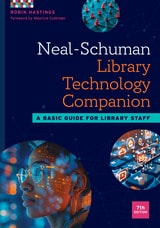
Neal-Schuman Library Technology Companion
A Basic Guide for Library StaffRobin Hastings
American Library Association, 2025
Foreword by Maurice Coleman
Technology infuses every aspect of every day in every library, and thus basic technology skills are a prerequisite for everyone who works in a library. Providing a one-stop overview of all technologies used in libraries today, this comprehensive primer belongs at the top of the reading list for any current or future library professional looking to stay at the forefront of technological advancement. Representing a complete update of the book under a new author, this seventh edition of the guide is bolstered with fresh insights gleaned from librarians and library staff members sharing how they work with a given technology in their library settings. Readers will learn about
- how technologies have historically impacted libraries;
- electronic resources including e-books, full-text articles, and streaming media;
- the crucial role of free web information in supporting library research;
- discovery layers and other systems for organizing information to make it easier to find;
- desktops, laptops, tablets, and mobile devices;
- library websites, web services, screencasts, distance learning, and learning management systems;
- social networking and patron participation, with newly crafted guidelines;
- makerspaces and other possibilities for adding creative activities and technologies to libraries such as virtual reality and augmented reality;
- a comprehensive examination of how to build and maintain the library technology environment, with advice on crafting an effective plan, purchasing equipment, putting systems into operation, and preservation issues stemming from dead and dying technologies;
- Universal Design (UX) and adaptive/assistive technologies;
- protecting technology and technology users by securing collections, enhancing computer security, and safeguarding privacy; and
- possible future developments in library technology, with suggested resources for staying informed.

Network Culture
Politics for the Information AgeTiziana Terranova
Pluto Press, 2004
Network Reshapes the Library
Lorcan Dempsey on Libraries, Services, and NetworksLorcan American Library Association
American Library Association, 2014
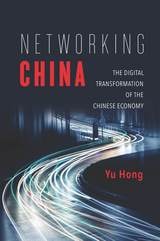
Networking China
The Digital Transformation of the Chinese EconomyYu Hong
University of Illinois Press, 2017
New Top Technologies Every Librarian Needs to Know
A LITA GuideKenneth J. Varnum
American Library Association, 2019