Results by title
218 books match the query 'Handbooks, manuals, etc' and 3 start with o
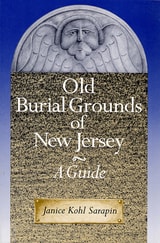
Old Burial Grounds of New Jersey
A GuideJanice Kohl Sarapin
Rutgers University Press, 1994
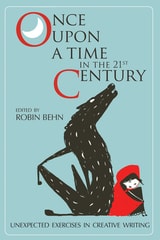
Once Upon a Time in the Twenty-First Century
Unexpected Exercises in Creative WritingEdited by Robin Behn
University of Alabama Press, 2020
Inspiring writers through creativity, experimentation, and unexpected discovery.
Once Upon a Time in the Twenty-First Century: Unexpected Exercises in Creative Writing is a unique creative writing text that will appeal to a wide range of readers and writers—from grade nine through college and beyond. Successful creative writers from numerous genres constructed these exercises, including poetry, fiction, and creative nonfiction to one-act plays, song lyrics, genre fiction, travel guides, comics and beyond. The exercises use a broad range of creative approaches, aesthetics, and voices, all with an emphasis on demystifying the writing process and having fun.
Editor Robin Behn has divided the book into three writing sections: Genres and Forms, Sources and Methods, and Style and Subject. In each section, Behn offers a brief introduction which explains how to get started and specific ways to develop one’s writing. Each introduction is followed by extensive exercises that draw on literature from classic to contemporary, as well as other art forms and popular culture. Examples range from Flannery O’Connor and Langston Hughes to Allen Ginsberg and Gertrude Stein, from Jamaica Kincaid and James Joyce to Arlo Guthrie and Harryette Mullen. Integrated within the exercises are apt examples of student writings that have emerged from actual use of the exercises in both the classroom and in writing groups. The book concludes with general advice and direction on how to get published.
Based on years of hands-on experiences in the teaching of creative writing in high schools, colleges, and after-school writing clubs, this volume of exercises offers inestimable value to students and teachers in the traditional classroom, as well as a growing number of homeschoolers, those who are part of a writing club or group, and independent writers and learners of all ages.
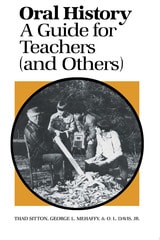
Oral History
A Guide for Teachers (and Others)By Thad Sitton, George L. Mehaffy, and O.L. Davis, Jr.
University of Texas Press, 1983
More than a mode of gathering information about the past, oral history has become an international movement. Historians, folklorists, and other educational and religious groups now recognize the importance of preserving the recollections of people about the past. The recorded memories of famous and common folk alike provide a vital complement to textbook history, bringing the past to life through the stories of those who lived it.
Oral History is designed to introduce teachers, students, and interested individuals to the techniques, problems, and pleasures of collecting oral history. The authors, themselves experienced educators, examine the uses of oral history in the classroom, looking at a wide range of projects that have been attempted and focusing on those that have succeeded best.
Besides suggesting many possible projects, they discuss the necessary hardware and its use: recording equipment and procedures, interview outlines and preliminary research, photography and note-taking in the field, transcription and storage of information, legal forms, and more. For the teacher, the authors offer helpful advice on training students to be sensitive interviewers in both formal and informal situations.
How can oral histories collected in the classroom be put to use? The authors discuss their uses within the curriculum; in projects such as oral history archives, publications such as the popular Foxfire books, and other media productions; and in researching current community problems. Useful appendixes survey a variety of reference tools for the oral historian and describe in detail how a Foxfire-concept magazine may be developed.