Results by title
54 books match the query 'Grief' and 2 start with p
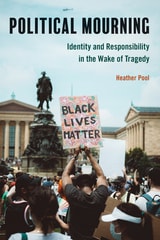
Political Mourning
Identity and Responsibility in the Wake of TragedyHeather Pool
Temple University Press, 2021
What leads us to respond politically to the deaths of some citizens and not others? This is one of the critical questions Heather Pool asks in Political Mourning. Born out of her personal experiences with the trauma of 9/11, Pool’s astute book looks at how death becomes political, and how it can mobilize everyday citizens to argue for political change.
Pool examines four tragedies in American history—the Triangle Shirtwaist Factory Fire, the lynching of Emmett Till, the September 11 attacks, and the Black Lives Matter movement—that offered opportunities to tilt toward justice and democratic inclusion. Some of these opportunities were taken, some were not. However, these watershed moments show, historically, how political identity and political responsibility intersect and how racial identity shapes who is mourned. Political Mourning helps explain why Americans recognize the names of Trayvon Martin and Sandra Bland; activists took those cases public while many similar victims have been ignored by the news media.
Concluding with an afterword on the coronavirus, Pool emphasizes the importance of collective responsibility for justice and why we ought to respond to tragedy in ways that are more politically inclusive.
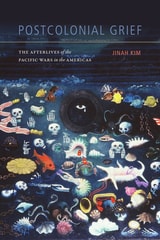
Postcolonial Grief
The Afterlives of the Pacific Wars in the AmericasJinah Kim
Duke University Press, 2019