Results by title
2817 books match the query 'Nature' and 111 start with p

PRESIDENTIAL MUSINGS FROM THE MERIDIAN
REFLECTIONS ON THE NATURE OF GEOGRAPHYM. DUANE NELLIS
West Virginia University Press, 2005
For decades, presidents of the Association of American Geographers have written insightful columns in the AAG Newsletter. One of the most popular sections of the newsletter, these columns illustrate the changes and consistencies of geography over the past thirty-four years. They offer an insight into the past of the geography discipline and a broader perspective on the future. Previously inaccessible even to most professional geographers, the Presidential Columns will now be available in Presidential Musings from the Meridian: Reflections of the Nature of Geography.
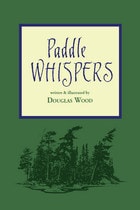
Paddle Whispers
Douglas Wood
University of Minnesota Press, 2005
And so begins a journey—not only an exploration of rapids, lakes, and forests, but also an inner journey of discovery. Through poetic text and drawings, woven gracefully with quotes by John Muir, Walking Buffalo, Sigurd F. Olson, Henry David Thoreau, and others, Douglas Wood traces a journey by paddle and canoe that renews the spirit.
Paleoindian or Paleoarchaic?
Great Basin Human Ecology at the Pleistocene-Holocene TransitionKelly E Graf
University of Utah Press, 2008

Pandora's Locks
The Opening of the Great Lakes-St. Lawrence SeawayJeff Alexander
Michigan State University Press, 2009
The St. Lawrence Seaway was considered one of the world's greatest engineering achievements when it opened in 1959. The $1 billion project-a series of locks, canals, and dams that tamed the ferocious St. Lawrence River-opened the Great Lakes to the global shipping industry.
Linking ports on lakes Superior, Michigan, Huron, Erie, and Ontario to shipping hubs on the world's seven seas increased global trade in the Great Lakes region. But it came at an extraordinarily high price. Foreign species that immigrated into the lakes in ocean freighters' ballast water tanks unleashed a biological shift that reconfigured the world's largest freshwater ecosystems.
Pandora's Locks is the story of politicians and engineers who, driven by hubris and handicapped by ignorance, demanded that the Seaway be built at any cost. It is the tragic tale of government agencies that could have prevented ocean freighters from laying waste to the Great Lakes ecosystems, but failed to act until it was too late. Blending science with compelling personal accounts, this book is the first comprehensive account of how inviting transoceanic freighters into North America's freshwater seas transformed these wondrous lakes.
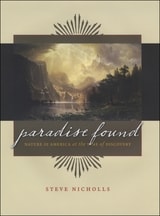
Paradise Found
Nature in America at the Time of DiscoverySteve Nicholls
University of Chicago Press, 2009
The first Europeans to set foot on North America stood in awe of the natural abundance before them. The skies were filled with birds, seas and rivers teemed with fish, and the forests and grasslands were a hunter’s dream, with populations of game too abundant and diverse to even fathom. It’s no wonder these first settlers thought they had discovered a paradise of sorts. Fortunately for us, they left a legacy of copious records documenting what they saw, and these observations make it possible to craft a far more detailed evocation of North America before its settlement than any other place on the planet.
Here Steve Nicholls brings this spectacular environment back to vivid life, demonstrating with both historical narrative and scientific inquiry just what an amazing place North America was and how it looked when the explorers first found it. The story of the continent’s colonization forms a backdrop to its natural history, which Nicholls explores in chapters on the North Atlantic, the East Coast, the Subtropical Caribbean, the West Coast, Baja California, and the Great Plains. Seamlessly blending firsthand accounts from centuries past with the findings of scientists today, Nicholls also introduces us to a myriad cast of characters who have chronicled the changing landscape, from pre–Revolutionary era settlers to researchers whom he has met in the field.
A director and writer of Emmy Award–winning wildlife documentaries for the Smithsonian Channel, Animal Planet, National Geographic, and PBS, Nicholls deploys a cinematic flair for capturing nature at its most mesmerizing throughout. But Paradise Found is much more than a celebration of what once was: it is also a reminder of how much we have lost along the way and an urgent call to action so future generations are more responsible stewards of the world around them. The result is popular science of the highest order: a book as remarkable as the landscape it recreates and as inspired as the men and women who discovered it.
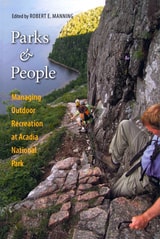
Parks and People
Managing Outdoor Recreation at Acadia National ParkEdited by Robert E. Manning
University Press of New England, 2009
Parmenides, Venerable and Awesome. Plato, Theaetetus 183e
Proceedings of the International SymposiumCordero, Néstor-Luis
Parmenides Publishing, 2012
In October of 2007, the Universidad Nacional de San Martín (Argentina) hosted an International Symposium on the philosophy of Parmenides to celebrate the creation of the University’s new Center for the Study of Ancient Philosophy. The event—co-organized by the HYELE Institute for Comparative Studies (Switzerland) and Parmenides Publishing—brought together scholars from around the world to present their latest work and participate in discussion. These Proceedings present the collected papers that were given—all fully translated into English—and edited by Néstor-Luis Cordero.
During the two years leading up to the International Symposium, no fewer than seven books on Parmenides were published. This revival and resurgence of interest in Parmenides and the critical reviews of traditional interpretations of his poem made this the perfect time for a global conference dedicated to the renowned figure known as the true father of philosophy.
The Symposium on Parmenides united the world's foremost Parmenidean scholars, with many participants having written one, if not several books on Parmenides. The proceedings volume therefore represents the most cutting-edge and in-depth scholarship on Parmenides available today, and will be a great and timely enrichment to the field of Presocratic Philosophy.
Passion for Peonies
Celebrating the Culture and Conservation of Nichols Arboretum's Beloved FlowerDavid Michener and Robert Grese, Editors
University of Michigan Press, 2020
Originally planted in 1922, the Nichols Arboretum Peony Garden now boasts North America’s largest public collection of heirloom herbaceous peonies. The Peony Garden has become a sacred space for the Ann Arbor community, a not-to-be-missed sensation when it erupts each season, as the Ann Arbor Observer once wrote, in “a riot of color, of crimson, rose and shell pink intermingled with fluffy pompoms of creamy white.” The rather short period of peak bloom—about two fleeting weeks each year—only seems to intensify the garden’s appeal, drawing thousands of visitors annually to this spectacular “living museum” on campus that showcases upwards of 10,000 blossoms.
Richly illustrated with hundreds of striking color photos, Passion for Peonies collects twenty short essays that celebrate the story of the Nichols Arboretum Peony Garden as well as the rich social history of peony gardening that it is an integral part of. Together these pieces comprise a love letter both to a magical public space at the University of Michigan and to the broader history and culture of peony gardening. The book will appeal to readers interested in the University of Michigan, the history of public gardens, and of course peonies!
Pastoral’s End
Art, Ecology, and Catastrophe in Renaissance ItalyJames Pilgrim
University of Chicago Press, 2026
In the sixteenth century, Italian artist Jacopo Bassano painted pictures of herdsmen and animals moving through dark and muddy landscapes. But he also participated in the agricultural development of the region in which he lived, producing topographical maps of local mountains and forests, inventing new methods of drainage and irrigation, and studying the latest techniques of crop rotation and fertilization. The relationship between Bassano’s rustic art and his participation in environmental transformation has, however, never been explored.
One of the first studies of Italian Renaissance art to grapple with the connections between visual culture and the environment, Pastoral’s End explores this crucial, formative relationship. James Pilgrim looks at Bassano’s career holistically, demonstrating how his involvement in a world marked by agricultural expansion, industrialization, resource extraction, environmental degradation, social transformation, and radical philosophical development informed his paintings of country life. Introducing new archival and visual evidence of Bassano’s knowledge of hydrology, agronomy, husbandry, and architecture, Pastoral’s End argues that he transformed the more placid rustic imagery of previous Renaissance artists into visions of dangerous ecological instability.
Paths Along The Hudson
A Guide to Walking and BikingPerls, Jeffrey
Rutgers University Press, 1999
Whether you are an ardent hiker or prefer to enjoy the great outdoors from your living-room armchair, Jeffrey Perls has written the essential guidebook on one of the most majestic natural areas of the eastern United States-the Hudson River.
From the rugged topography of the Hudson Highlands Gorge to the crowded towers of Manhattan, the Hudson has been an inspiration for poets, writers, artists, and countless others who have enjoyed the many wonders of the river. The area surrounding the Hudson abounds in history. It’s played a pivotal part in our country's development, from its strategic role in the American Revolution to its heritage as the nation’s primary entry point for immigrants to this country. The river also supports an incredibly rich diversity of flora and fauna, from the bald eagle to the short-nosed sturgeon.
Perls brings together the culture, history, nature, and recreational activities along the Hudson River in one convenient guide book. He not only maps out walks and bike trails, both urban and rural, but also introduces readers to the landscape, geology, history, and culture of the Hudson Valley region. Perls provides a practical and geographically comprehensive guide to exploring the area on foot and by bike. The trail routes bring readers as close to the river as possible and guides them to rewarding vistas, nature preserves, and historic landmarks. It’s a useful guide for visitors to the Hudson region and local residents as it acquaints them to the natural treasures to be found in their own backyards.
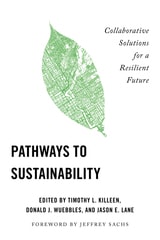
Pathways to Sustainability
Collaborative Solutions for a Resilient FutureEdited by Timothy L. Killeen, Donald J. Wuebbles, and Jason E. Lane
University of Illinois Press, 2025
Patterns in Nature
The Analysis of Species Co-OccurrencesJames G. Sanderson and Stuart L. Pimm
University of Chicago Press, 2015
Travel from island to island and the species change. Travel along any gradient—up a mountain, from forest into desert, from low tide to high tide on a shoreline —and again the species change, sometimes abruptly. What explains the patterns of these distributions? Some patterns might be as random as a coin toss. But as with a coin toss, can ecologists differentiate associations caused by a multiplicity of complex, idiosyncratic factors from those structured by some unidentified but simple mechanisms? Can simple mechanisms that structure communities be inferred from observations of which species associations naturally occur? For decades, community ecologists have debated about whether the patterns are random or show the geographically pervasive effect of competition between species. Bringing this vigorous debate up to date, this book undertakes the identification and interpretation of nature’s large-scale patterns of species co-occurrence to offer insight into how nature truly works.
Patterns in Nature explains the computing and conceptual advances that allow us to explore these issues. It forces us to reexamine assumptions about species distribution patterns and will be of vital importance to ecologists and conservationists alike.
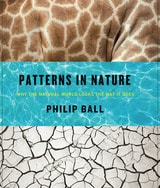
Patterns in Nature
Why the Natural World Looks the Way It DoesPhilip Ball
University of Chicago Press, 2016
Unlike the patterns we create in technology, architecture, and art, natural patterns are formed spontaneously from the forces that act in the physical world. Very often the same types of pattern and form – spirals, stripes, branches, and fractals, say—recur in places that seem to have nothing in common, as when the markings of a zebra mimic the ripples in windblown sand. That’s because, as Patterns in Nature shows, at the most basic level these patterns can often be described using the same mathematical and physical principles: there is a surprising underlying unity in the kaleidoscope of the natural world. Richly illustrated with 250 color photographs and anchored by accessible and insightful chapters by esteemed science writer Philip Ball, Patterns in Nature reveals the organization at work in vast and ancient forests, powerful rivers, massing clouds, and coastlines carved out by the sea.
By exploring similarities such as those between a snail shell and the swirling stars of a galaxy, or the branches of a tree and those of a river network, this spectacular visual tour conveys the wonder, beauty, and richness of natural pattern formation.
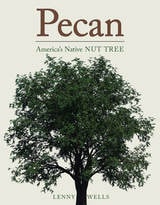
Pecan
America's Native Nut TreeLenny Wells
University of Alabama Press, 2017
From the first written record of it made by the Spaniard Cabeza de Vaca in 1528 to its nineteenth-century domestication and its current development into a multimillion dollar crop, the pecan tree has been broadly appreciated for its nutritious nuts and its beautiful wood. In Pecan: America’s Native Nut Tree, Lenny Wells explores the rich and fascinating story of one of North America’s few native crops, long an iconic staple of southern foods and landscapes.
Fueled largely by a booming international interest in the pecan, new discoveries about the remarkable health benefits of the nut, and a renewed enthusiasm for the crop in the United States, the pecan is currently experiencing a renaissance with the revitalization of America’s pecan industry. The crop’s transformation into a vital component of the US agricultural economy has taken many surprising and serendipitous twists along the way. Following the ravages of cotton farming, the pecan tree and its orchard ecosystem helped to heal the rural southern landscape. Today, pecan production offers a unique form of agriculture that can enhance biodiversity and protect the soil in a sustainable and productive manner.
Among the many colorful anecdotes that make the book fascinating reading are the story of André Pénicaut’s introduction of the pecan to Europe, the development of a Latin name based on historical descriptions of the same plant over time, the use of explosives in planting orchard trees, the accidental discovery of zinc as an important micronutrient, and the birth of “kudzu clubs” in the 1940s promoting the weed as a cover crop in pecan orchards.
**Published in cooperation with the Samuel Roberts Noble Foundation, Ellis Brothers Pecan, Inc., and The Mason Pecans Group**
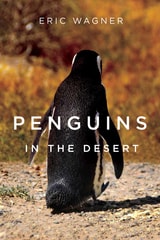
Penguins in the Desert
Eric Wagner
Oregon State University Press, 2018
Eric Wagner joined her team for six months in 2008, and in Penguins in the Desert, he chronicles that season in the remarkable lives of both the Magellanic penguins of Punta Tombo and the scientists who track their every move. For Boersma, the penguins are ecosystem sentinels. At the colony’s peak, more than a million birds bred there, but now less than half as many do. In confronting this fact, Boersma tackles some of the most urgent issues facing penguins and people today. What is the best way to manage our growing appetite for fish? How do we stop catastrophic oil spills from coating birds? How will we address the looming effects of climate change?
As Wagner spends more and more time with the penguins and the scientists in the field, other equally pressing questions come to mind. What is it like to be beaten by a penguin? Or bitten by one? How can a person be so dirty for so many months on end? In a tale that is as much about life in the field as it is about one of the most charismatic creatures on earth, Wagner brings humor, warmth, and hard-won insight as he tries to find the answer to what turns out to be the most pressing question of all: What does it mean to know an animal and to grapple with the consequences of that knowing?
Peonies of the World
Part III Phylogeny and EvolutionDe-Yuan Hong
Royal Botanic Gardens, Kew, 2021
De-Yuan Hong’s three-volume monograph of the popular genus Paeonia—more popularly known as peonies—is a comprehensive taxonomic revision based on extensive field observations, population sampling, and a thorough multidisciplinary examination of more than 5,000 specimens. This third and final volume is a rich source of information on the phylogeny and evolution of peonies, illustrated with photographs, line drawings, and maps, making it an essential reference for trained botanists and amateur gardening hobbyists alike.

People And The Planet
Holism and Humanism in Environmental EthicsDon Marietta
Temple University Press, 1994

People and Places of Nature and Culture
Rod Giblett
Intellect Books, 2011
Using the rich and vital Australian Aboriginal understanding of country as a model, People and Places of Nature and Culture affirms the importance of a sustainable relationship between nature and culture. While current thought includes the mistaken notion—perpetuated by natural history, ecology, and political economy—that humans have a mastery over the Earth, this book demonstrates the problems inherent in this view. In the current age of climate change, this is an important appraisal of the relationship between nature and culture, and a projection of what needs to change if we want to achieve environmental stability.
Peregrinations
Walking in American LiteratureAmy T Hamilton
University of Nevada Press, 2018
The land of the United States is defined by vast distances encouraging human movement and migration on a grand scale. Consequently, American stories are filled with descriptions of human bodies walking through the land.
In Peregrinations, Amy T. Hamilton examines stories told by and about Indigenous American, Euroamerican, and Mexican walkers. Walking as a central experience that ties these texts together—never simply a metaphor or allegory—offers storytellers and authors an elastic figure through which to engage diverse cultural practices and beliefs including Puritan and Catholic teachings, Diné and Anishinaabe oral traditions, Chicanx histories, and European literary traditions.
Hamilton argues that walking bodies alert readers to the ways the physical world—more-than-human animals, trees, rocks, wind, sunlight, and human bodies—has a hand in creating experience and meaning. Through material ecocriticism, a reading practice attentive to historical and ongoing oppressions, exclusions, and displacements, she reveals complex layerings of narrative and materiality in stories of walking human bodies.
This powerful and pioneering methodology for understanding place and identity, clarifies the wide variety of American stories about human relationships with the land and the ethical implications of the embeddedness of humans in the more-than-human world.
Peregrine Falcon
Stories of the Blue MeanieBy James H. Enderson
University of Texas Press, 2005
A superb success as a bird, combining great speed, aeronautical grace, and fearlessness...inhabitant of wild places, inaccessible cliffs, and skyscrapers...worldwide dweller, trans-equatorial migrant, and docile captive—the peregrine falcon stands alone among all others of its kind. Perhaps this is why so many varied people rushed to its aid when it faced decimation by pesticide poisoning.
In this personal and highly entertaining memoir, Jim Enderson tells stories of a lifetime spent studying, training, breeding, and simply enjoying peregrine falcons. He recalls how his boyhood interest in raptors grew into an ornithological career in which he became one of the leading experts who helped identity DDT as the cause of the peregrine falcon's sudden and massive decline across the United States. His stories reveal both the dedication that he and fellow researchers brought to the task of studying and restoring the peregrine and the hair-raising adventures that sometimes befell them along the way. Enderson also seamlessly weaves in the biology and natural history of the peregrine, as well as anecdotes about its traditional and widespread use in falconry as an aggressive yet tractable hunter, to offer a broad portrait of this splendid and intriguing falcon.
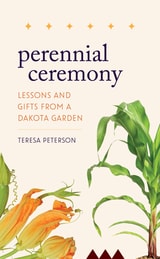
Perennial Ceremony
Lessons and Gifts from a Dakota GardenTeresa Peterson
University of Minnesota Press, 2024
Travel through a garden’s seasons toward healing, reclamation, and wholeness—for us, and for our beloved relative, the Earth
In this rich collection of prose, poetry, and recipes, Teresa Peterson shares how she found refuge from the struggle to reconcile her Christianity and Dakota spirituality, discovering solace and ceremony in communing with the earth. Observing and embracing the cycles of her garden, she awakens to the constant affirmation that healing and wellness can be attained through a deep relationship with land, plants, and waters. Dakota people call this way of seeing and being in the world mitakuye owasin: all my relations. Perennial Ceremony brings us into this relationship, as Peterson guides us through the Dakota seasons to impart lessons from her life as a gardener, gatherer, and lover of the land.
We see the awakening of Wetu (spring), a transitional time when nature comes alive and sweet sap flows from maples, and the imperfect splendor of Bdoketu (summer), when rain becomes a needed and nourishing gift. We share in the harvesting wisdom of Ptaŋyetu (fall), a time to savor daylight and reap the garden’s abundance, and the restorative solitude of Waniyetu (winter), when snow blankets the landscape and sharpens every sound. Through it all, Peterson walks with us along the path that both divides and joins Christian doctrine, everyday spiritual experience, and the healing powers of Indigenous wisdom and spirituality.
In this intimate seasonal cycle, we learn how the garden becomes a healing balm. Peterson teaches us how ceremony may be found there: how in the vegetables and flowers, the woods, the hillsides, the river valley—even in the feeding of friends and family—we can reclaim and honor our relationship with Mother Earth. She encourages us to bring perennial ceremony into our own lives, inviting us on a journey that brings us full circle to makoce kiŋ mitakuye: the land is my relative.
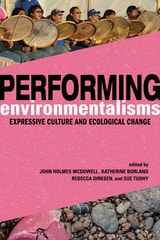
Performing Environmentalisms
Expressive Culture and Ecological ChangeEdited by John Holmes McDowell, Katherine Borland, Rebecca Dirksen, and Sue Tuohy
University of Illinois Press, 2021
Interdisciplinary in approach and wide-ranging in scope, Performing Environmentalisms is an engaging look at the merger of cultural expression and environmental action on the front lines of today's global emergency.
Contributors: Aaron S. Allen, Eduardo S. Brondizio, Assefa Tefera Dibaba, Rebecca Dirksen, Mary Hufford, John Holmes McDowell, Mark Pedelty, Jennifer C. Post, Chie Sakakibara, Jeff Todd Titon, Rory Turner, Lois Wilcken
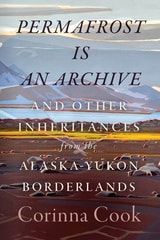
Permafrost Is an Archive
and Other Inheritances from the Alaska-Yukon BorderlandsCorinna Cook
West Virginia University Press, 2026
The Yukon Ice Patch Project reveals ancient lives. A road through the boreal forest reads like a map of climate upheaval. Those houses with broken doorknobs—a legacy of government regulation over Indigenous life. Corinna Cook, who was born white on Áak’w Kwáan Tlingit land in Juneau, Alaska, wrestles with the past and future into Canada’s Yukon Territory. With writing that blends research and reverie, her essays ask how we might come into right relations with our most difficult, shared histories. How can we carry the past together, in a good way, as the land melts? The answers—elusive as they are—carry global resonance, taking shape through a deeply personal lens combined with careful study of local arts, artifacts, maps, and the land we depend on.
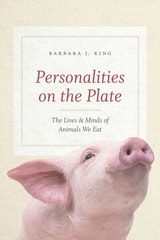
Personalities on the Plate
The Lives and Minds of Animals We EatBarbara J. King
University of Chicago Press, 2017
Yet that realization hasn’t yet made its presence felt to any great degree in our most intimate relationship with animals: at the dinner table. Sure, there are vegetarians and vegans all over, but at the same time, meat consumption is up, and meat remains a central part of the culinary and dining experience for the majority of people in the developed world.
With Personalities on the Plate, Barbara King asks us to think hard about our meat eating--and how we might reduce it. But this isn’t a polemic intended to convert readers to veganism. What she is interested in is why we’ve not drawn food animals into our concern and just what we do know about the minds and lives of chickens, cows, octopuses, fish, and more. Rooted in the latest science, and built on a mix of firsthand experience (including entomophagy, which, yes, is what you think it is) and close engagement with the work of scientists, farmers, vets, and chefs, Personalities on the Plate is an unforgettable journey through the world of animals we eat. Knowing what we know--and what we may yet learn--what is the proper ethical stance toward eating meat? What are the consequences for the planet? How can we life an ethically and ecologically sound life through our food choices?
We could have no better guide to these fascinatingly thorny questions than King, whose deep empathy embraces human and animal alike. Readers will be moved, provoked, and changed by this powerful book.
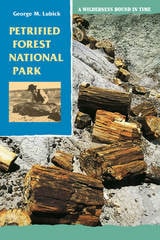
Petrified Forest National Park
A Wilderness Bound in TimeGeorge M. Lubick
University of Arizona Press, 1996
Petrified Forest National Park: A Wilderness Bound in Time speeds the reader on an ancient ecological journey, from the time of dinosaurs to the discovery of their Triassic fossils and on through a century of political maneuvering to create a place for the forest in American history. George Lubick describes how a dedicated few understood the environmental importance as well as the unique beauty of the park's Triassic Chinle Formation and the Painted Desert. Nearly a million people "visit the Triassic" annually; this environmental history of the ancient forest is important for those who know the park as well as those interested in natural America. Petrified Forest National Park is one of the few complete histories of any national park, a well-told, balanced treatment of the environmental, political, and historical factors that shape America's natural history.
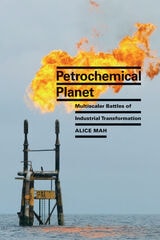
Petrochemical Planet
Multiscalar Battles of Industrial TransformationAlice Mah
Duke University Press, 2023
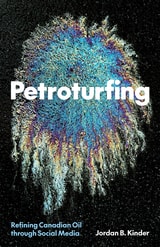
Petroturfing
Refining Canadian Oil through Social MediaJordan B. Kinder
University of Minnesota Press, 2024
How social media has become a critical tool for advancing the interests of the Canadian oil industry
Petroturfing presents an incisive look into how Canada’s pro-oil movement has leveraged social media to rebrand the extractive economy as a positive force. Adapting its title from the concept of astroturfing, which refers to the practice of disguising political and corporate media campaigns as grassroots movements, the book exposes the consequences of this mutually informed relationship between social media and environmental politics.
Since the early 2010s, an increasingly influential network of pro-oil groups, organizations, and campaigns has harnessed social media strategies originally developed by independent environmental organizations in order to undermine resistance to the fossil fuel industry. Situating these actions within the broader oil culture wars that have developed as an outgrowth of contemporary right-wing media, Petroturfing details how this coalition of groups is working to reform the public view of oil extraction as something socially, economically, and ecologically beneficial.
By uncovering these concerted efforts to influence the “energy consciousness,” Jordan B. Kinder reveals the deep divide between Canada’s environmentally progressive reputation and the economic interests of its layers of government and private companies operating within its borders. Drawing attention to the structures underlying online political expression, Petroturfing highlights the limitations of social media networks in the work of promoting environmental justice and contributing to a more equitable future.
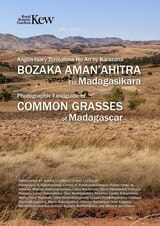
Photographic Field Guide of Common Grasses of Madagascar
Nantenaina Rakotomalala, Fenrita Randrianarimanana, and Rafael Felipe de Almeida
Royal Botanic Gardens, Kew, 2025
An easy-to-use bilingual field guide in English and Malagasy on the grasses of Madagascar.
Field Guide to the Grasses of Madagascar is the first photographic compilation of information on Madagascar’s Poaceae, featuring around half of the known grass species on the island. Compiled by a team of Malagasy and international botanists led by the Royal Botanic Gardens, Kew, Kew Madagascar, and partner institutions, it consolidates expert-generated and expert-verified information in Malagasy and English.
This book contains information on 269 species of grasses, with a general introduction and an index to Malagasy common names in addition to Latin names. The book also provides a critical foundation to the ongoing work of assessing the current biodiversity, distribution, uses, and evolution of the island’s grass flora.
Pick of the Bunch
Twelve Treasured FlowersMargaret Willes
Bodleian Library Publishing, 2009
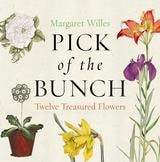
In the dark, bitter days of winter, when the ground lies frozen and snow-covered, it can be hard to believe that mere months before, gardens and window boxes were bursting forth with fragrant, colorful blossoms. Today on the frosty walk home, at least we can pick up cut flowers at the store to remind us of the spring to come. But before the technological miracles of hothouses and refrigeration, flowers could only be captured for the winter months by artists and painters. Some of the finest flower-pieces ever painted were by Dutch and Flemish artists in the seventeenth century, which depict flowers in vases of metal and porcelain, sometimes with insects and butterflies nestling in petals or clinging to stalks. From these flower-pieces we can see what Europeans of the time considered desirable flowers: the rose, iris, carnation, lily, snowdrop, violet, fritillary, narcissus, tulip, daffodil, and hyacinth—many of which are still our favorites today.
Alongside lush color botanical illustrations, Pick of the Bunch presents the social history of these flora—how they arrived in our gardens; how they were bought, acquired and displayed; and who were their devotees and cultivators. The book delves into their symbolic associations in classical and Christian traditions and examines the complex language of flowers employed by the Victorians. Beautiful to behold and engagingly written, Pick of the Bunch is a wonderful gift for any garden lover and will be a warm, much needed glimpse of spring and summer throughout the cold, barren months.
Picturing Sabino
A Photographic History of a Southwestern CanyonDavid Wentworth Lazaroff
University of Arizona Press, 2023
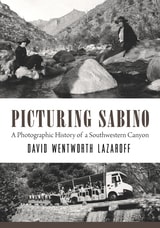
The story is vividly told through numerous historical photographs, lively anecdotes, and an engaging text, informed by decades of research by David Wentworth Lazaroff. Along the way the reader makes the acquaintance of ordinary picnickers as well as influential citizens who helped to reshape the canyon, while witnessing the canyon’s evolving relationship with its growing urban neighbor. The book will fascinate readers who are already familiar with Sabino Canyon, as well as anyone with an interest in local or regional history, or in historical photography.
Picturing the Beast
Animals, Identity, and RepresentationSteve Baker
University of Illinois Press, 1993
Baker provides an animated discussion of how animals enter into the iconography of power through wartime depictions of the enemy, political cartoons, and sports symbolism. He examines a phenomenon he calls the "disnification" of animals, meaning a reduction of the animal to the trivial and stupid, and shows how books featuring talking animals underscore human superiority. He also discusses how his findings might inform the strategies of animal rights advocates seeking to call public attention to animal suffering and abuse. Until animals are extricated from the baggage of imposed images, Baker maintains, neither they nor their predicaments can be clearly seen.
For this edition, Baker provides a new introduction, specifically addressing an American audience, that touches on such topics as the Cow Parade, animal imagery in the presidential race, and animatronic animals in recent films.
Picturing the Book of Nature
Image, Text, and Argument in Sixteenth-Century Human Anatomy and Medical BotanySachiko Kusukawa
University of Chicago Press, 2012
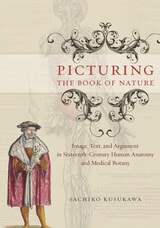
Because of their spectacular, naturalistic pictures of plants and the human body, Leonhart Fuchs’s De historia stirpium and Andreas Vesalius’s De humani corporis fabrica are landmark publications in the history of the printed book. But as Picturing the Book of Nature makes clear, they do more than bear witness to the development of book publishing during the Renaissance and to the prominence attained by the fields of medical botany and anatomy in European medicine. Sachiko Kusukawa examines these texts, as well as Conrad Gessner’s unpublished Historia plantarum, and demonstrates how their illustrations were integral to the emergence of a new type of argument during this period—a visual argument for the scientific study of nature.
Pigeon River Country
A Michigan ForestDale Clarke Franz
University of Michigan Press, 2007
The long awaited new edition of a classic offers memories, myths, and meanings of the largest contiguous piece of wild land in Michigan's Lower Peninsula.
This updated edition explores more deeply why and how the outdoors moves and compels us. It’s a book about mice who sing, elk who wear collars, deer who kiss, and birds who could dictate their compositions to Mozart. It's about the human species interacting in generous and sometimes misguided ways with the rest of life. It's about men trying to ripen pinecones into pineapples and women taking better aim with a revolver than expected. It's about poetry—from Mary Oliver, Lao Tzu, and Theodore Roethke—and seeing hawks dive in a night sky or feeling oil geologists shake the earth below. It's about finding fish dead in the river by the thousands and crouching behind a stump to watch beaver build a dwelling. While this book considers life beyond the boundaries of Pigeon River Country, it is steeped in the specifics of a place that lives mostly on its own, instead of human, terms.
The Pigeon River Country is a remote northern forest, ecologically distinct from most of the United States. Laced with waterways, it has a storied past. Dale Clarke Franz has collected personal accounts from various people intrigued with the Pigeon River Country—including loggers, conservationists, mill workers, campers, even the young Ernest Hemingway, who said he loved the forest "better than anything in the world." There are comprehensive discussions of the area's flora and fauna, guides to trails and camping sites, and photos showcasing the changing face of this hidden national treasure.
Pine Barrens
Ecosystem and LandscapeForman, Richard T.T.
Rutgers University Press, 1998
This seven-part book starts with a short discussion on location and boundaries of the New Jersey Pine Barrens. Part I covers human activities, from Indian activities and initial European perceptions of the land, including settlement, lumbering, fuel wood and charcoal, iron and glassworks, farming and livestock, and real estate development. The next part of the book describes sandy deposits, geographic distribution of geologic formations, and soil types with their ecologically important characteristics. Topics on hydrology, aquatic ecosystems, and climatic and microclimatic conditions are presented in the third part of this reference. Part IV traces the history of vegetation starting before the Ice Age and analyzes vegetation using different approaches, such as community types, community classification according to a European method, and gradient analysis. Plants of the Pine Barrens are briefly described and listed in Part V. The final part illustrates community relationships of mammals, birds, reptiles, amphibians, fish, arthropods, and soil microcommunities. The book is ideal for ecologists, botanists, geologists, soil scientists, zoologists, hydrologists, limnologists, engineers, and scientists, as well as planners, decision-makers, and managers who may largely determine the future of a region.
Pioneering Conservation in Alaska
Ken Ross
University Press of Colorado, 2006
The Alaskan frontier tempted fur traders, whalers, salmon fishers, gold miners, hunters, and oilmen to take what they could without regard for long-term consequences. Wildlife species, ecosystems, and Native cultures suffered, sometimes irreparably. Damage to wildlife and lands drew the attention of environmentalists, including John Muir, who applied their influence to enact wildlife protection laws and set aside lands for conservation. Alaska served as a testing ground for emergent national resource policy in the United States, as environmental values of species and ecosystem sustainability replaced the unrestrained exploitation of Alaska's early frontier days.
Efforts of conservation leaders and the territory's isolation, small human population, and late development prevented widespread destruction and gave Americans a unique opportunity to protect some of the world's most pristine wilderness.
Enhanced by more than 100 photographs, Pioneering Conservation in Alaska illustrates the historical precedents for current natural resource disputes in Alaska and will fascinate readers interested in wildlife and conservation.
Pipe Politics, Contested Waters
Embedded Infrastructures of Millennial MumbaiLisa Bjorkman
Duke University Press, 2015
Despite Mumbai's position as India's financial, economic, and cultural capital, water is chronically unavailable for rich and poor alike. Mumbai's dry taps are puzzling, given that the city does not lack for either water or financial resources. In Pipe Politics, Contested Waters, Lisa Björkman shows how an elite dream to transform Mumbai into a "world class" business center has wreaked havoc on the city’s water pipes. In rich ethnographic detail, Pipe Politics explores how the everyday work of getting water animates and inhabits a penumbra of infrastructural activity—of business, brokerage, secondary markets, and sociopolitical networks—whose workings are reconfiguring and rescaling political authority in the city. Mumbai’s increasingly illegible and volatile hydrologies, Björkman argues, are lending infrastructures increasing political salience just as actual control over pipes and flows becomes contingent on dispersed and intimate assemblages of knowledge, power, and material authority. These new arenas of contestation reveal the illusory and precarious nature of the project to remake Mumbai in the image of Shanghai or Singapore and gesture instead toward the highly contested futures and democratic possibilities of the actually existing city.
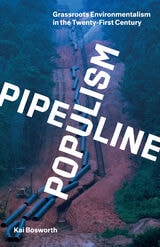
Pipeline Populism
Grassroots Environmentalism in the Twenty-First CenturyKai Bosworth
University of Minnesota Press, 2022
How contemporary environmental struggles and resistance to pipeline development became populist struggles
Stunning Indigenous resistance to the Keystone XL and the Dakota Access pipelines has made global headlines in recent years. Less remarked on are the crucial populist movements that have also played a vital role in pipeline resistance. Kai Bosworth explores the influence of populism on environmentalist politics, which sought to bring together Indigenous water protectors and environmental activists along with farmers and ranchers in opposition to pipeline construction.
Here Bosworth argues that populism is shaped by the “affective infrastructures” emerging from shifts in regional economies, democratic public-review processes, and scientific controversies. With this lens, he investigates how these movements wax and wane, moving toward or away from other forms of environmental and political ideologies in the Upper Midwest. This lens also lets Bosworth place populist social movements in the critical geographical contexts of racial inequality, nationalist sentiments, ongoing settler colonialism, and global empire—crucial topics when grappling with the tensions embedded in our era’s immense environmental struggles.
Pipeline Populism reveals the complex role populism has played in shifting interpretations of environmental movements, democratic ideals, scientific expertise, and international geopolitics. Its rich data about these grassroots resistance struggles include intimate portraits of the emotional spaces where opposition is first formed. Probing the very limits of populism, Pipeline Populism presents essential work for an era defined by a wave of people-powered movements around the world.
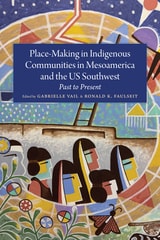
Place-Making in Indigenous Communities in Mesoamerica and the US Southwest
Past to PresentGabrielle Vail
University Press of Colorado, 2027
Place-Making in Indigenous Communities in Mesoamerica and the US Southwest explores shared Indigenous place-making concepts and practices across culturally diverse regions of Mesoamerica and the US Southwest from both historical and contemporary perspectives. Drawing on multidisciplinary research approaches, the volume demonstrates how Indigenous communities create and maintain deep connections to landscapes through stories, rituals, and reciprocal relationships, stressing the dynamic nature of the place-making process.
Contributors emphasize themes that crosscut Mesoamerican and Southwestern Indigenous cultures, including place-making through the (re)activation of primordial time, how people and spiritual energies embodied in geographical features of the land co-define time and space, the role of nonlocal materials and beings in establishing new—and often prestigious—place-based connections, and the impact of colonialism and neocolonialism on place-making and identity. Integrating archaeological evidence with contemporary ethnographic work, contributors explore the significance of places like Chichen Itzá's Balankanche cave as manifestations of primordial emergence sites. They also examine Hopi pilgrimages to ancestral shrines and how places such as Mirador Mountain in Chiapas, Cerro Danush in Oaxaca, and Black Mesa near San Ildefonso Pueblo continue to serve as focal points for ritual processions and community belonging.
Organized into sections emphasizing deep-time perspectives and contemporary heritage issues, Place-Making in Indigenous Communities in Mesoamerica and the US Southwest advocates for collaborative research approaches that center Indigenous voices and knowledge systems. By highlighting the deep connections between Indigenous communities and their sacred landscapes, this work brings a new perspective to ongoing conversations centered on land—one that urges engagement with Indigenous communities in a spirit of openness, collaboration, and respect.
Places of Quiet Beauty
Parks, Preserves, and EnvironmentalismRebecca Conard
University of Iowa Press, 1997
Resource protection and public recreation policies have always been subject to the shifting winds of management philosophy governing both national and state parks. Somewhere in the balance, however, parks and preserves have endured as unique places of mind as well as matter. Places of Quiet Beauty allows us to see parks and preserves, forests and wildlife refuges—all those special places that the term “park” conjures up—as measures of our own commitment to caring for the environment. In this broad-ranging book, historian Rebecca Conard examines the complexity of American environmentalism in the twentieth century as manifest in Iowa's state parks and preserves.
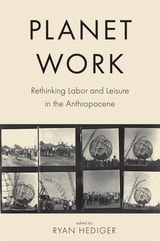
Planet Work
Rethinking Labor and Leisure in the AnthropoceneRyan Hediger
Bucknell University Press, 2023
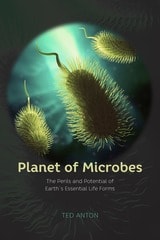
Planet of Microbes
The Perils and Potential of Earth's Essential Life FormsTed Anton
University of Chicago Press, 2017
In Planet of Microbes, Ted Anton takes readers through the most recent discoveries about microbes, revealing their unexpected potential to reshape the future of the planet. For years, we knew little about these invisible invaders, considering them as little more than our enemies in our fight against infectious disease. But the more we learn about microbes, the more it’s become clear that our very lives depend on them. They may also hold the answers to some of science’s most pressing problems, including how to combat a warming planet, clean up the environment, and help the body fight off a wide variety of diseases. Anton has spent years interviewing and working with the determined scientists who hope to harness the work of microbes, and he breaks down the science while also sharing incredible behind-the-scenes stories of the research taking place everywhere from microbreweries to Mars.
The world’s tiniest organisms were here more than three billion years before us. We live in their world, and Planet of Microbes at last gives these unsung heroes the recognition they deserve.
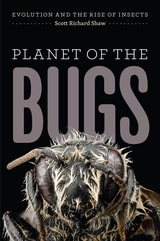
Planet of the Bugs
Evolution and the Rise of InsectsScott Richard Shaw
University of Chicago Press, 2014
Leaving no stone unturned, Shaw explores how evolutionary innovations such as small body size, wings, metamorphosis, and parasitic behavior have enabled insects to disperse widely, occupy increasingly narrow niches, and survive global catastrophes in their rise to dominance. Through buggy tales by turns bizarre and comical—from caddisflies that construct portable houses or weave silken aquatic nets to trap floating debris, to parasitic wasp larvae that develop in the blood of host insects and, by storing waste products in their rear ends, are able to postpone defecation until after they emerge—he not only unearths how changes in our planet’s geology, flora, and fauna contributed to insects’ success, but also how, in return, insects came to shape terrestrial ecosystems and amplify biodiversity. Indeed, in his visits to hyperdiverse rain forests to highlight the current insect extinction crisis, Shaw reaffirms just how crucial these tiny beings are to planetary health and human survival.
In this age of honeybee die-offs and bedbugs hitching rides in the spines of library books, Planet of the Bugs charms with humor, affection, and insight into the world’s six-legged creatures, revealing an essential importance that resonates across time and space.
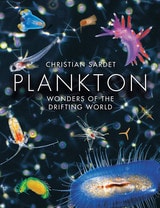
Plankton
Wonders of the Drifting WorldChristian Sardet
University of Chicago Press, 2015
Viewing these creatures up close for the first time can be a thrilling experience—an elaborate but hidden world truly opens up before your eyes. Through hundreds of close-up photographs, Plankton transports readers into the currents, where jeweled chains hang next to phosphorescent chandeliers, spidery claws jut out from sinuous bodies, and gelatinous barrels protect microscopic hearts. The creatures’ vibrant colors pop against the black pages, allowing readers to examine every eye and follow every tentacle. Jellyfish, tadpoles, and bacteria all find a place in the book, representing the broad scope of organisms dependent on drifting currents.
Christian Sardet’s enlightening text explains the biological underpinnings of each species while connecting them to the larger living world. He begins with plankton’s origins and history, then dives into each group, covering ctenophores and cnidarians, crustaceans and mollusks, and worms and tadpoles. He also demonstrates the indisputable impact of plankton in our lives. Plankton drift through our world mostly unseen, yet they are diverse organisms that form ninety-five percent of ocean life. Biologically, they are the foundation of the aquatic food web and consume as much carbon dioxide as land-based plants. Culturally, they have driven new industries and captured artists’ imaginations.
While scientists and entrepreneurs are just starting to tap the potential of this undersea forest, for most people these pages will represent uncharted waters. Plankton is a spectacular journey that will leave readers seeing the ocean in ways they never imagined.

Planning a New West
The Columbia River Gorge National Scenic AreaCarl Abbott
Oregon State University Press, 1997
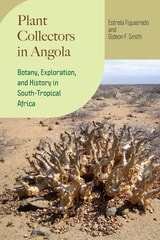
Plant Collectors in Angola
Botany, Exploration, and History in South-Tropical AfricaEstrela Figueiredo and Gideon F. Smith
University of Chicago Press, 2024
For any region, cataloging, interpreting, and understanding the history of botanical exploration and plant collecting, and the preserved specimens that were amassed as a result, are critically important for research and conservation. In this book, published in cooperation with the International Association for Plant Taxonomy, Estrela Figueiredo and Gideon F. Smith, both botanists with expertise in the taxonomy of African plants, provide the first comprehensive, contextualized account of plant collecting in Angola, a large country in south-tropical Africa. An essential book for anyone concerned with the biodiversity and history of Africa, this authoritative work offers insights into the lives, times, and endeavors of 358 collectors. In addition, the authors present analyses of the records that accompanied the collectors’ preserved specimens. Illustrated in color throughout, the book fills a large gap in the current knowledge of the botanical and exploration history of Africa.
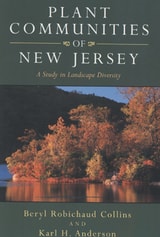
Plant Communities of New Jersey
A Study in Landscape DiversityCollins, Beryl Robichaud
Rutgers University Press, 1994
From the ridgetops of the north to the Pinelands of the south, New Jersey’s natural areas display an astonishing variety of plant life. This book--a completely revised edition of the classic Vegetation of New Jersey--enables readers to understand why the vegetation of New Jersey is what it is today and what it may become.
The book portrays New Jersey as an ecosystem--its geology, topography and soil, climate, plant-plant and plant-animal relationships, and the human impact on the environment. The authors describe in detail the twelve types of plant habitats distinguished in New Jersey and suggest places to observe good examples of them.
The book is amply illustrated with photographs of plant communities and individual species and maps. The appendixes provide a cross reference between the common and scientific names of native plants of New Jersey, and hints for plant identification.
Scientifically accurate yet written in a lively style, Plant Communities of New Jersey belongs on the bookshelf of every New Jerseyan who cares about the environment.

Plant Communities of Southern Illinois
Robert H. Mohlenbrock and John C. Voigt
Southern Illinois University Press, 1964
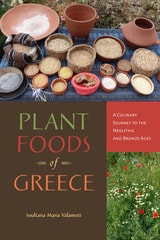
Plant Foods of Greece
A Culinary Journey to the Neolithic and Bronze AgesSoultana Maria Valamoti
University of Alabama Press, 2023
2024 INAUGURAL MARY BEAUDRY BOOK AWARD FOR THE ARCHAEOLOGY OF FOOD
A synthesis of culinary practices of prehistoric Greece based on plant food ingredients
In Plant Foods of Greece, Greek archaeologist Soultana Maria Valamoti takes readers on a culinary journey, reconstructing the plant foods and culinary practices of Neolithic and Bronze Age Greece. For more than thirty years, she has been analyzing a large body of archaeobotanical data that was retrieved from nearly twenty sites in mainland Greece and the Greek islands, with an additional analysis of other sites as referenced by published colleagues. Plant foods were the main ingredients of daily meals in prehistoric Greece and most likely of special dishes prepared for feasts and rituals.
Valamoti’s approach allows an exploration of culinary variability through time. The thousands of charred seeds identified from occupation debris correspond to minuscule time capsules. She is able to document changes from the cooking of the first farmers to the sophisticated cuisines of the elites who inhabited palaces in the first cities of Europe in the south of Greece during the Late Bronze Age. Along the way, she explains the complex processes for the addition of new ingredients (such as millet and olives), condiments, sweet tastes, and complex recipes. Valamoti also addresses regional variability and diversity as well as detailing experimentation and research using occasional input from ancient written sources.
Comprehensive and synthetic coverage encompasses bread/cereals, pulses, oils, fruit and nuts, fermented brews, healing foods, cooking, and identity. In addition, Valamoti offers insight into engaging in public archaeology and provides recipes that incorporate ancient plant ingredients and connect prehistory to the present in a critical way. A definitive source for a range of food scientists and scholars, it will also appeal to foodies.
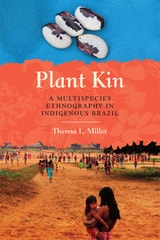
Plant Kin
A Multispecies Ethnography in Indigenous BrazilBy Theresa L. Miller
University of Texas Press, 2019
The Indigenous Canela inhabit a vibrant multispecies community of nearly 3,000 people and over 300 types of cultivated and wild plants living together in Maranhão State in the Brazilian Cerrado (savannah), a biome threatened with deforestation and climate change. In the face of these environmental threats, Canela women and men work to maintain riverbank and forest gardens and care for their growing crops, whom they consider to be, literally, children. This nurturing, loving relationship between people and plants—which offers a thought-provoking model for supporting multispecies survival and well-being throughout the world—is the focus of Plant Kin.
Theresa L. Miller shows how kinship develops between Canela people and plants through intimate, multi-sensory, and embodied relationships. Using an approach she calls “sensory ethnobotany,” Miller explores the Canela bio-sociocultural life-world, including Canela landscape aesthetics, ethnobotanical classification, mythical storytelling, historical and modern-day gardening practices, transmission of ecological knowledge through an education of affection for plant kin, shamanic engagements with plant friends and lovers, and myriad other human-nonhuman experiences. This multispecies ethnography reveals the transformations of Canela human-environment and human-plant engagements over the past two centuries and envisions possible futures for this Indigenous multispecies community as it reckons with the rapid environmental and climatic changes facing the Brazilian Cerrado as the Anthropocene epoch unfolds.
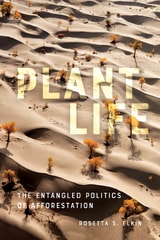
Plant Life
The Entangled Politics of AfforestationRosetta S. Elkin
University of Minnesota Press, 2022
How afforestation reveals the often-concealed politics between humans and plants
In Plant Life, Rosetta S. Elkin explores the procedures of afforestation, the large-scale planting of trees in otherwise treeless environments, including grasslands, prairies, and drylands. Elkin reveals that planting a tree can either be one of the ultimate offerings to thriving on this planet, or one of the most extreme perversions of human agency over it.
Using three supracontinental case studies—scientific forestry in the American prairies, colonial control in Africa’s Sahelian grasslands, and Chinese efforts to control and administer territory—Elkin explores the political implications of plant life as a tool of environmentalism. By exposing the human tendency to fix or solve environmental matters by exploiting other organisms, this work exposes the relationship between human and plant life, revealing that afforestation is not an ecological act: rather, it is deliberately political and distressingly social.
Plant Life ultimately reveals that afforestation cannot offset deforestation, an important distinction that sheds light on current environmental trends that suggest we can plant our way out of climate change. By radicalizing what conservation protects and by framing plants in their total aliveness, Elkin shows that there are many kinds of life—not just our own—to consider when advancing environmental policy.