Results by title
338 books match the query 'Indigenous Studies' and 4 start with q
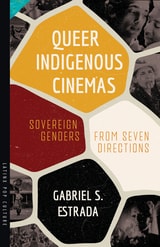
Queer Indigenous Cinemas
Sovereign Genders from Seven DirectionsGabriel S. Estrada
University of Arizona Press, 2026
The seven Indigenous directions—east, south, west, north, down, up, and center—provide a map of understanding gender in media history.
In Queer Indigenous Cinemas, scholar Gabriel S. Estrada offers an analysis of queer Indigenous media from the Americas, the Pacific, and the Caribbean. This groundbreaking work uses Indigenous directional space and sovereign mapping methods to uncover the emotional, spiritual, and cultural dimensions of queer Indigenous lives. The book’s seven chapters—each one of the directions—look closely at media such as cinema and streaming videos that draw on Indigenous concepts from diverse nations such as Diné, Caxcan, Kanaka Maoli, and Nehiyawak. Estrada discusses how the cinema brings into focus the ways that many Indigenous genders do not conform with the male/female binary, genders and sexualities that may or may not overlap with contemporary constructions of gay, lesbian, bisexual, transgender, intersex, and two-spirit (LGBTQI2+) identities.
Highlighting the struggles and resistances of two-spirit peoples, Estrada’s analysis engages with films that represent the diverse and sovereign identities of queer Indigenous peoples. Estrada provides a framework for understanding how queer Indigenous media producers confront colonial trauma and reclaims space for the spiritual and bodily sovereignty of LGBTQI2+ peoples.
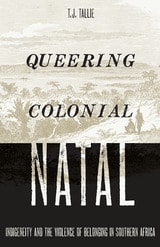
Queering Colonial Natal
Indigeneity and the Violence of Belonging in Southern AfricaT. J. Tallie
University of Minnesota Press, 2019
How were indigenous social practices deemed queer and aberrant by colonial forces?
In Queering Colonial Natal, T.J. Tallie travels to colonial Natalestablished by the British in 1843, today South Africa’s KwaZulu-Natal provinceto show how settler regimes “queered” indigenous practices. Defining them as threats to the normative order they sought to impose, they did so by delimiting Zulu polygamy; restricting alcohol access, clothing, and even friendship; and assigning only Europeans to government schools.
Using queer and critical indigenous theory, this book critically assesses Natal (where settlers were to remain a minority) in the context of the global settler colonial project in the nineteenth century to yield a new and engaging synthesis. Tallie explores the settler colonial history of Natal’s white settlers and how they sought to establish laws and rules for both whites and Africans based on European mores of sexuality and gender. At the same time, colonial archives reveal that many African and Indian people challenged such civilizational claims.
Ultimately Tallie argues that the violent collisions between Africans, Indians, and Europeans in Natal shaped the conceptions of race and gender that bolstered each group’s claim to authority.
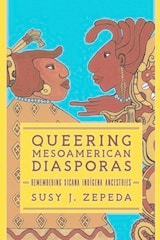
Queering Mesoamerican Diasporas
Remembering Xicana Indigena AncestriesSusy J. Zepeda
University of Illinois Press, 2022
A fascinating exploration of hidden Indígena histories and silences, Queering Mesoamerican Diasporas blends scholarship with spirit practices to reimagine the root work, dis/connection to land, and the political decolonization of Xicana/x peoples.
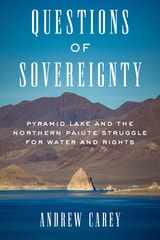
Questions of Sovereignty
Pyramid Lake and the Northern Paiute Struggle for Water and RightsAndrew W. Carey
University of Nevada Press, 2027
Questions of Sovereignty examines the enduring struggle of the Pyramid Lake Paiute Tribe to assert and exercise sovereignty in defense of its most sacred homeland: Pyramid Lake. At the center of this story is a century-long fight over water, law, and survival that reveals how Indigenous nations navigate a political landscape in which tribal sovereignty is both recognized and continually challenged.
Indian tribes retain inherent powers of self-governance, yet those powers are often tested when they conflict with powerful state, federal, and private interests. Using the Pyramid Lake Paiute experience as a case study, author Andrew W. Carey demonstrates how tribal sovereignty functions in practice.
At the heart of the narrative is water—the lifeblood of Pyramid Lake and the Truckee River system that feeds it. Decades of diversion and development left the lake in ecological and cultural crisis. As competing interests sought control of the region’s water, the tribe engaged in legal and political battles to secure the resources essential to its survival.
Spanning late twentieth-century litigation and negotiations into the twenty-first century, Questions of Sovereignty reveals how the Pyramid Lake Paiute Tribe used law, governance, and persistence to protect its homeland. In doing so, it offers a powerful example of Indigenous resilience and a deeper understanding of sovereignty as a living force shaping environmental justice and tribal self-determination.