Results by title
1917 books match the query 'Law' and 2 start with q

Questioning Secularism
Islam, Sovereignty, and the Rule of Law in Modern EgyptHussein Ali Agrama
University of Chicago Press, 2012
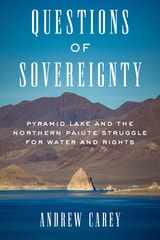
Questions of Sovereignty
Pyramid Lake and the Northern Paiute Struggle for Water and RightsAndrew W. Carey
University of Nevada Press, 2027
Questions of Sovereignty examines the enduring struggle of the Pyramid Lake Paiute Tribe to assert and exercise sovereignty in defense of its most sacred homeland: Pyramid Lake. At the center of this story is a century-long fight over water, law, and survival that reveals how Indigenous nations navigate a political landscape in which tribal sovereignty is both recognized and continually challenged.
Indian tribes retain inherent powers of self-governance, yet those powers are often tested when they conflict with powerful state, federal, and private interests. Using the Pyramid Lake Paiute experience as a case study, author Andrew W. Carey demonstrates how tribal sovereignty functions in practice.
At the heart of the narrative is water—the lifeblood of Pyramid Lake and the Truckee River system that feeds it. Decades of diversion and development left the lake in ecological and cultural crisis. As competing interests sought control of the region’s water, the tribe engaged in legal and political battles to secure the resources essential to its survival.
Spanning late twentieth-century litigation and negotiations into the twenty-first century, Questions of Sovereignty reveals how the Pyramid Lake Paiute Tribe used law, governance, and persistence to protect its homeland. In doing so, it offers a powerful example of Indigenous resilience and a deeper understanding of sovereignty as a living force shaping environmental justice and tribal self-determination.