Results by title
102 books match the query 'Human body' and 5 start with r
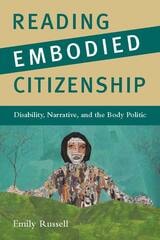
Reading Embodied Citizenship
Disability, Narrative, and the Body PoliticRussell, Emily
Rutgers University Press, 2011
Liberal individualism, a foundational concept of American politics, assumes an essentially homogeneous population of independent citizens. When confronted with physical disability and the contradiction of seemingly unruly bodies, however, the public searches for a story that can make sense of the difference. The narrative that ensues makes "abnormality" an important part of the dialogue about what a genuine citizen is, though its role is concealed as an exception to the rule of individuality rather than a defining difference. Reading Embodied Citizenship brings disability to the forefront, illuminating its role in constituting what counts as U.S. citizenship.
Drawing from major figures in American literature, including Mark Twain, Flannery O'Connor, Carson McCullers, and David Foster Wallace, as well as introducing texts from the emerging canon of disability studies, Emily Russell demonstrates the place of disability at the core of American ideals. The narratives prompted by the encounter between physical difference and the body politic require a new understanding of embodiment as a necessary conjunction of physical, textual, and social bodies. Russell examines literature to explore and unsettle long-held assumptions about American citizenship.
Reading The Social Body
Catherine B. Burroughs
University of Iowa Press, 1993
The overarching argument of Reading the Social Body is that the body is cultural rather than “natural.” Some of the essays treat the social construction of bodies that have actually existed in human history; others discuss the representation of bodies in artistic contexts; all recognize that everything visible to the human body—from posture and costume to the width of an eyebrow or a smile—is determined by and shaped in response to a particular culture.
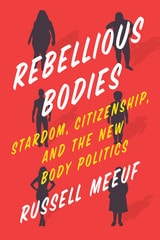
Rebellious Bodies
Stardom, Citizenship, and the New Body PoliticsBy Russell Meeuf
University of Texas Press, 2017
Celebrity culture today teems with stars who challenge long-held ideas about a “normal” body. Plus-size and older actresses are rebelling against the cultural obsession with slender bodies and youth. Physically disabled actors and actresses are moving beyond the stock roles and stereotypes that once constrained their opportunities. Stars of various races and ethnicities are crafting new narratives about cultural belonging, while transgender performers are challenging our culture’s assumptions about gender and identity. But do these new players in contemporary entertainment media truly signal a new acceptance of body diversity in popular culture?
Focusing on six key examples—Melissa McCarthy, Gabourey Sidibe, Peter Dinklage, Danny Trejo, Betty White, and Laverne Cox—Rebellious Bodies examines the new body politics of stardom, situating each star against a prominent cultural anxiety about bodies and inclusion, evoking issues ranging from the obesity epidemic and the rise of postracial rhetoric to disability rights, Latino/a immigration, an aging population, and transgender activism. Using a wide variety of sources featuring these celebrities—films, TV shows, entertainment journalism, and more—to analyze each one’s media persona, Russell Meeuf demonstrates that while these stars are promoted as examples of a supposedly more inclusive industry, the reality is far more complex. Revealing how their bodies have become sites for negotiating the still-contested boundaries of cultural citizenship, he uncovers the stark limitations of inclusion in a deeply unequal world.
Receptive Bodies
Leo Bersani
University of Chicago Press, 2018

Revolutionary Medicine
Health and the Body in Post-Soviet CubaP. Sean Brotherton
Duke University Press, 2012