Results by title
95 books match the query 'Fairy Tales, Folk Tales, Legends & Mythology' and 9 start with s
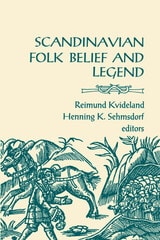
Scandinavian Folk Belief and Legend
Reimund Kvideland
University of Minnesota Press, 1991
An entertaining collection of over 400 folk tales of legends, stories, and magic. Translated from the original Norwegian, Danish, and Swedish, this highly acclaimed work is perfect for bedside or fireside reading.

Scotland's Forgotten Treasure
The Visionary Romances of George MacDonaldColin Manlove
Aberdeen University Press, 2017

Shakespeare's Folktale Sources
Charlotte Artese
University of Delaware Press, 2015
Published by University of Delaware Press. Distributed worldwide by Rutgers University Press.
Shamara and Other Stories
Svetlana Vasilenko
Northwestern University Press, 1999
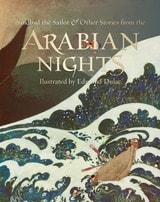
Sindbad the Sailor and Other Stories from the Arabian Nights
Laurence Housman
Bodleian Library Publishing, 2018
Four of the most well-known tales, translated by Laurence Housman, are reproduced in this collector’s edition: “Sindbad the Sailor,” “Aladdin and his Wonderful Lamp,” “The Story of the Three Calendars” and “The Sleeper Awakened.” Each is illustrated with exquisite watercolors by the renowned artist Edmund Dulac. The sumptuous illustrations reproduced here capture the beauty and timeless quality of these ever-fascinating stories, made at the zenith of early twentieth-century book illustration.
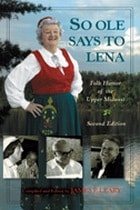
So Ole Says to Lena
Folk Humor of the Upper MidwestCompiled and edited by James P. Leary
University of Wisconsin Press, 2002
In the land of beer, cheese, and muskies—where the polka is danced and winter is unending and where Lutherans and Catholics predominate—everybody is ethnic, the politics are clean, and the humor is plentiful. This collection includes jokes, humorous anecdotes, and tall tales from ethnic groups (Woodland Indians, French, Cornish, Germans, Irish, Scandinavians, Finns, and Poles) and working folk (loggers, miners, farmers, townsfolk, hunters, and fishers). Dig into the rich cultural context supplied by the notes and photographs, or just laugh at the hundreds of jokes gathered at small-town cafes, farm tables, job sites, and church suppers. This second edition includes an afterword and indexes of motifs and tale types.
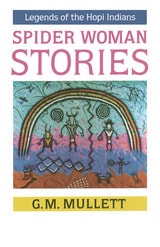
Spider Woman Stories
G. M. Mullett
University of Arizona Press, 1979
"This is a fine introduction to Hopi mythology and values. It recreates an authentic poetic spirit and makes the reader eager to read more Hopi tales." —New Mexico Humanities Review
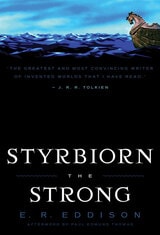
Styrbiorn the Strong
E. R. Eddison
University of Minnesota Press, 2011
E. R. Eddison’s classic saga novel now in paperback—includes for the first time Eddison’s remarkable letter of introduction and his unabridged closing note
Styrbiorn the Strong tells the grand tale of Styrbiorn Olafsson, heir to the Swedish throne and known both for his impressive size and strength and his unruly, quarrelsome nature. Denied his birthright and exiled from Sweden, Styrbiorn becomes the leader of the Jomsvikings and sets out to reclaim the Swedish throne in the epic Battle of Fýrisvellir. A rediscovered classic, Styrbiorn the Strong is a tale reminiscent of the Old Norse sagas, a historical novel from one of the twentieth century’s most influential masters of fantasy.

Sámi Folktales from the Near and Far Worlds
Just Knud Qvigstad
University of Minnesota Press, 2026
The most comprehensive collection of Sámi folktales ever translated into English
From the vast region of Northern Sápmi comes Sámi Folktales from the Near and Far Worlds, the most extensive compilation of Sámi narratives recorded from Sámi storytellers ever published in English translation. Comprising more than 300 folktales and legends from Northern Norway, including many from the coastal Sámi and the Skolt Sámi of Eastern Finnmark, this volume illuminates an oral storytelling tradition and shares narratives told by fishers, farmers, reindeer herders, lay preachers, and teachers from the interior plateaus and valleys to the Arctic fjords.
Originally recorded in the late nineteenth and early twentieth centuries by the Norwegian philologist Just Knud Qvigstad and the Sámi politician and folklorist Isak Saba, this collection spans centuries of storytelling in multiple genres, from migratory fairytales with kings and princesses to legends of ghosts and the Devil to fables with talking animals. A young lad from a poor family embarks on a quest through the wilderness to find treasure, receiving help from a wise female elder along his path. A Sámi boy falls in love with a háldi girl from another world, and they find a way to marry. A man carries sickness out of a village and stops the plague from spreading. Cunning foxes outsmart bears and humans alike. The villainous Chudes are tricked, foiled in their plans to steal from and kill the Sámi. People are turned into wolves, able to turn back only if they don’t taste the blood of a reindeer or if they are given cooked food. The ogre Stállu appears again and again, terrorizing the community until he’s outwitted or subdued. Rávgas, undead creatures of the sea, drag themselves out of the depths to lure others to their demise.
With historical context that reveals the cultural resilience of the Sámi people, Sámi Folktales from the Near and Far Worlds honors these traditional narratives, often overlooked in other folktale anthologies from the Nordic countries. Translator Barbara Sjoholm’s insightful introduction describes Qvigstad’s and Saba’s backgrounds and their work in gathering and translating these essential texts, and she introduces Sámi storytellers Johan Aikio, Efraim Pedersen, and Elen Utsi, who contributed dozens of stories.
An unprecedented trove of Sámi narratives, this expansive collection brings most of these tales to English readers for the first time, marking a major contribution to Indigenous folk literature and enhancing a broader understanding of Sámi and Nordic cultures.
Retail e-book files for this title are screen-reader friendly with images accompanied by short alt text and/or extended descriptions.