Results by title
379 books match the query 'Botany' and 63 start with t
Techniques for Pollination Biologists
Carol A. Kearns
University Press of Colorado, 1993
This book presents techniques such as fluorescence microscopy to examine pollen tubes, high-pressure liquid chromatography for nectar analysis, and using particle counters to count pollen grains and nuclear magnetic resonance for floral odor analysis. In addition to these sophisticated methods, basic techniques are described for labeling plants, manipulating flowers, marking or excluding, and designing simple but elegant experiments with small budgets. The book also examines potential pitfalls for pollination studies and offers cautionary advice about designing and implementing different types of pollination experiments.
The Attention of a Traveller
Essays on William Bartram's "Travels" and LegacyEdited by Kathryn H. Braund
University of Alabama Press, 2022
An interdisciplinary reevaluation of William Bartram’s Travels, illuminating the natural, cultural, and intellectual landscapes of the eighteenth‑century Southeast through diverse scholarly lenses.
William Bartram, author of Travels through North and South Carolina, Georgia, East and West Florida, the Cherokee Country, the Extensive Territories of the Muscogulees, or Creek Confederacy, and the Country of the Chactaws, was colonial America’s first native born naturalist and artist, and the first author in the modern genre of writers who portrayed nature through personal experience as well as scientific observation. His book, first published in 1791, was based on his journeys through southern Indian nations and Britain’s southern colonies in the years just prior to the American Revolution and provides descriptions of the natural and cultural environments of what would soon become the American South. Scholars and general readers alike have long appreciated Bartram’s lush, vivid prose, his clarity of observation and evident wonder at the landscapes he traversed, and his engagement with the native nations whose lands he traveled through.
The Attention of a Traveller: Essays on William Bartram’s “Travels” and Legacy offers an interdisciplinary assessment of Bartram’s influence and evolving legacy, opening new avenues of research concerning the flora, fauna, and people connected to Bartram and his writings. Featuring 13 essays divided into five sections, contributors to the volume weave together scholarly perspectives from geology, art history, literary criticism, geography, and philosophy, alongside the more traditional Bartram-affiliated disciplines of biology and history. The collection concludes with a comprehensive treatment of the book as a material historical artifact.
The Birdman of Koshkonong
The Life of Naturalist Thure KumlienMartha Bergland
Wisconsin Historical Society Press, 2021
For all of his achievements, Kumlien never gained the widespread notoriety of Wisconsin naturalists John Muir, Increase Lapham, or Aldo Leopold. Kumlien did his work behind the scenes, content to spend his days in the marshes and swamps rather than in the public eye. He once wrote that he was not “cut out for pretensions and show in the world.” Yet, his detailed observations of Wisconsin’s natural world—including the impact of early agriculture on the environment—were hugely important to the fields of ornithology and botany. As this carefully researched and lovingly rendered biography proves, Thure Kumlien deserves to be remembered as one of Wisconsin’s most influential naturalists.
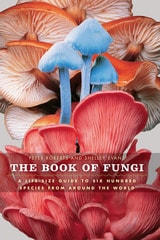
The Book of Fungi
A Life-Size Guide to Six Hundred Species from around the WorldPeter Roberts and Shelley Evans
University of Chicago Press, 2011
Colorful, mysterious, and often fantastically shaped, fungi have been a source of wonder and fascination since the earliest hunter-gatherers first foraged for them. Today there are few, if any, places on Earth where fungi have not found themselves a home. And these highly specialized organisms are an indispensable part of the great chain of life. They not only partner in symbiotic relationships with over ninety percent of the world’s trees and flowering plant species, they also recycle and create humus, the fertile soil from which such flora receive their nutrition. Some fungi are parasites or saprotrophs; many are poisonous and, yes, hallucinogenic; others possess life-enhancing properties that can be tapped for pharmaceutical products; while a delicious few are prized by epicureans and gourmands worldwide.
In this lavishly illustrated volume, six hundred fungi from around the globe get their full due. Each species here is reproduced at its actual size, in full color, and is accompanied by a scientific explanation of its distribution, habitat, association, abundance, growth form, spore color, and edibility. Location maps give at-a-glance indications of each species’ known global distribution, and specially commissioned engravings show different fruitbody forms and provide the vital statistics of height and diameter. With information on the characteristics, distinguishing features, and occasionally bizarre habits of these fungi, readers will find in this book the common and the conspicuous, the unfamiliar and the odd. There is a fungal predator, for instance, that hunts its prey with lassos, and several that set traps, including one that entices sows by releasing the pheromones of a wild boar.
Mushrooms, morels, puffballs, toadstools, truffles, chanterelles—fungi from habitats spanning the poles and the tropics, from the highest mountains to our own backyards—are all on display in this definitive work.
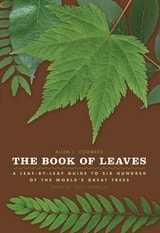
The Book of Leaves
A Leaf-by-Leaf Guide to Six Hundred of the World's Great TreesAllen J. Coombes
University of Chicago Press, 2010
Of all our childhood memories, few are quite as thrilling, or as tactile, as those of climbing trees. Scampering up the rough trunk, spying on the world from the cool green shelter of the canopy, lying on a limb and looking up through the leaves at the summer sun almost made it seem as if we were made for trees, and trees for us.Even in adulthood, trees retain their power, from the refreshing way their waves of green break the monotony of a cityscape to the way their autumn transformations take our breath away.
In this lavishly illustrated volume, the trees that have enriched our lives finally get their full due, through a focus on the humble leaves that serve, in a sense, as their public face. The Book of Leaves offers a visually stunning and scientifically engaging guide to six hundred of the most impressive and beautiful leaves from around the world. Each leaf is reproduced here at its actual size, in full color, and is accompanied by an explanation of the range, distribution, abundance, and habitat of the tree on which it’s found. Brief scientific and historical accounts of each tree and related species include fun-filled facts and anecdotes that broaden its portrait.
The Henry’s Maple, for instance, found in China and named for an Irish doctor who collected leaves there, bears little initial resemblance to the statuesque maples of North America, from its diminutive stature to its unusual trifoliolate leaves. Or the Mediterranean Olive, which has been known to live for more than 1,500 years and whose short, narrow leaves only fall after two or three years, pushed out in stages by the emergence of younger leaves.
From the familiar friends of our backyards to the giants of deep woods, The Book of Leaves brings the forest to life—and to our living rooms—as never before.
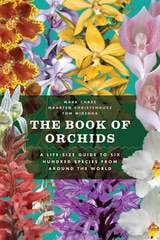
The Book of Orchids
A Life-Size Guide to Six Hundred Species from around the WorldMark W. Chase, Maarten J. M. Christenhusz, and Tom Mirenda
University of Chicago Press, 2017
The Book of Orchids revels in the diversity and oddity of these beguiling plants. Six hundred of the world’s most intriguing orchids are displayed, along with life-size photographs that capture botanical detail, as well as information about distribution, peak flowering period, and each species’ unique attributes, both natural and cultural. With over 28,000 known species—and more being discovered each year—the orchid family is arguably the largest and most geographically widespread of the flowering plant families. Including the most up-to-date science and accessibly written by botanists Mark Chase, Maarten Christenhusz, and Tom Mirenda, each entry in The Book of Orchids will entice researchers and orchid enthusiasts alike.
With stunning full-color images, The Book of Orchids is sure to become the go-to reference for these complex, alluring, and extraordinarily adaptable plants.
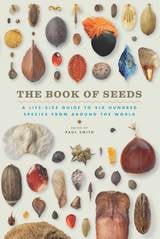
The Book of Seeds
A Life-Size Guide to Six Hundred Species from around the WorldEdited by Paul Smith
University of Chicago Press, 2018
The Book of Seeds takes readers through six hundred of the world’s seed species, revealing their extraordinary beauty and rich diversity. Each page pairs a beautifully composed photo of a seed—life-size, and, in some cases, enlarged to display fine detail—with a short description, a map showing distribution, and information on conservation status. The whole spectrum of seeds is covered here. There are prolific species like corn and less widely distributed species, like the brilliant blue seeds of the traveler’s palm or the bird of paradise flower, aptly named for its distinctive orange coiffure. There are tiny seeds and seeds weighing up to forty pounds. And while seeds in all their shapes, sizes, and colors grant us sustenance, there are even some we would be wise to treat with caution, such as the rosary pea, whose seeds are considered more toxic than ricin.
The essential guide to these complex plant creations, The Book of Seeds offers readers a rare, up-close look that will inspire scientists and nature lovers alike.
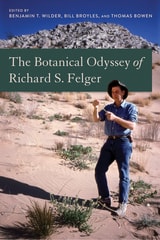
The Botanical Odyssey of Richard S. Felger
Edited by Benjamin T. Wilder, Bill Broyles, and Thomas Bowen
University of Arizona Press, 2026
This work is a vibrant tribute to Richard Stephen Felger, who was one of the most influential scientists of the American Southwest and northwestern Mexico. Known as a desert botanist, Felger’s work transcended regional boundaries, blending rigorous fieldwork with global ecological vision. This work offers an intimate and multifaceted portrait of a man whose tireless advocacy for biodiversity and biocultural conservation shaped generations of desert scientists..
Edited by Benjamin T. Wilder, Bill Broyles, and Thomas Bowen, this book is both a celebration and a resource. The work is separated into four parts. With humor, insight, and deep empathy, Felger’s own voice leads the journey in part 1, recounting his most memorable field experiences with masterful prose and sly wit. Part 2 brings together heartfelt reflections from colleagues who worked alongside Felger in the field, revealing the eccentric brilliance and relentless curiosity that defined his career. Part 3 explores his family history and the unconventional path that shaped his life’s work, while part 4 presents a comprehensive bibliography of his most important publications. The book contains four maps that help take you around the world on Felger’s journeys, and fifty images selected from the thousands of slides from his archive that further transport and anchor you in the adventure.
Felger’s own voice, paired with reflections from twenty colleagues, creates a rich, multifaceted narrative, offering readers a rare glimpse into the life of a scientific icon whose legacy continues to inspire desert researchers and conservationists across the globe.
Contributors
James Aronson
Thomas Bowen
Bill Broyles
Alberto Búrquez
Susan Davis Carnahan
Mark Alan Dimmitt
Exequiel Ezcurra
Gil Gillenwater
Russ Kleinman
Angelina Martínez-Yrízar
Gregory McNamee
Cathy Moser Marlett
Gary Paul Nabhan
Wallace J. Nichols
William R. Norris
Humberto Romero Morales
Sue Rutman
Silke Schneider
Jeffrey Seminoff
Jane Spinti
Benjamin T. Wilder
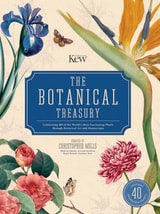
The Botanical Treasury
Celebrating 40 of the World’s Most Fascinating Plants through Historical Art and ManuscriptsEdited by Christopher Mills
University of Chicago Press, 2016
This treasury features a full-color exploration of our most important and interesting plants; facsimiles of rarely seen letters, maps, and journals from the Royal Botanic Gardens, Kew; and forty beautifully reproduced, frameable prints. Together they offer a fascinating look at the world of plant hunting and the cultivation of our knowledge about the plant world.
Every one of the featured plants is extraordinary in some way, be it for its appearance, biology, medicinal properties, or importance to economics, politics, or the arts. Equally extraordinary are the stories associated with the discovery of these plants, revealing the lengths to which collectors and growers would go to find them. The entries build a history of botany and paint a larger picture of the age of exploration.
The Botanical Treasury is a rare treat. Looking through its pages and relishing its prints allows us to fully understand why we are so driven to learn all we can about the natural world. It is an exceptional gift that will wow gardeners, and anyone else fascinated by the greenery that sustains and inspires us.
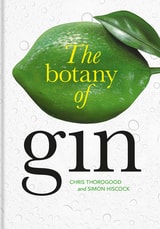
The Botany of Gin
Chris Thorogood and Simon Hiscock
Bodleian Library Publishing, 2020
From its roots in ancient Greek herbal medicine, the popular spirit we now know as gin was first established by the Dutch in the sixteenth century as a juniper-infused tincture to cure fevers. During London’s “gin craze” in the eighteenth century, the spirit gained popularity—and notoriety—as consumption increased rapidly. In recent years, gin has enjoyed a resurgence, with botanical flavorings offering refined new ways to enjoy the classic cocktail.
With this volume, Chris Thorogood and Simon Hiscock provide an account of how gin has been developed and produced. A diverse assortment of aromatic plants from around the world have been used in the production of gin over the course of several centuries, and each combination of botanicals yields a unique flavor profile that equates to more than the sum of its parts. Understanding the different types of formulation, and the main groups of plants used therein, is central to appreciating the drink’s complexities and subtleties. Garnished with sumptuous illustrations of the plants that tell the story of this complex drink, this enticing book delves into the botany of gin from root to branch. As this book’s extraordinary range of featured ingredients shows, gin is a quintessentially botanical beverage with a rich history like no other.
The Cacti of Arizona
Lyman Benson
University of Arizona Press, 1969
"Of tremendous value to the professional botanist and ecologist, and with layman English and careful instructions, the work provides the amateur botanist insight into a fascinating family."—Garden Journal
"For the general desert lover as well as the botanist."—Books of the Southwest
The Diagnosis of Plant Diseases
Rubert B. Streets, Sr.
University of Arizona Press, 1984
Drawing on the knowledge, research, and experience of university and industry plant pathologists, this manual will guide everyone—researchers, teachers, personnel from federal and state agencies, plant nursery staff, hobbyist gardeners, or anyone else who works with plants—to better plant-disease work and less time spent in learning diagnostic procedures.
In this manual for rapid and accurate diagnosis, control, and prevention of plant diseases, Dr. Rubert B. Streets has not only developed a practical field and laboratory guide for plant-disease diagnosis, but also articulated a vision for the role of the plant pathologist: a careful observer, a dedicated practitioner who embraces the personal challenge of identifying plant diseases—and a questioner.
With 44 years of distinguished post-doctoral experience in many areas of his field, Dr. Rupert B. Streets, Sr., is best known for his research on the control of Texas root rot in field crops, tree crops, and ornamentals; diseases of dates, citrus, and guar; brown rot of stone fruits and roses; his selection of flax resistance to wilt; the serology of citrus viruses; and the use of antibiotics for the control of crown gall and fire blight. Joining the University of Arizona faculty in 1924, Dr. Streets served for eight years as head of the department of Plant Pathology and taught courses at every level, instructing students on the identification and control of plant diseases.
The Domestic Herbal
Plants for the Home in the Seventeenth CenturyMargaret Willes
Bodleian Library Publishing, 2020
In the seventeenth century most English households had gardens. These gardens were not merely ornamental; even the most elaborate and fashionable gardens had areas set aside for growing herbs, fruit, vegetables, and flowers for domestic use. Meanwhile, more modest households considered a functional garden to be a vital tool for the survival of the house and family. The seventeenth century was also a period of exciting introductions of plants from overseas, which could be used in all manner of recipes.
Using manuscript household manuals, recipe books, and printed herbals, The Domestic Herbal takes the reader on a tour of the productive garden and of the various parts of the house—kitchens and service rooms, living rooms and bedrooms—to show how these plants were used for cooking and brewing, medicines and cosmetics, in the making and care of clothes, and to keep rooms fresh, fragrant, and decorated. Recipes used by seventeenth-century households for preparations such as flower syrups, snail water, and wormwood ale are also included. A brief herbal gives descriptions of plants both familiar and less known to today’s readers, including the herbs used for common tasks like dyeing and brewing, and those that held a particular cultural importance in the seventeenth century. Featuring exquisite colored illustrations from John Gerard’s herbal book of 1597 as well as prints, archival material, and manuscripts, this book provides an intriguing and original focus on the domestic history of Stuart England.
The Ecology and Evolution of Ant-Plant Interactions
Victor Rico-Gray and Paulo S. Oliveira
University of Chicago Press, 2007
Ants are probably the most dominant insect group on Earth, representing ten to fifteen percent of animal biomass in terrestrial ecosystems. Flowering plants, meanwhile, owe their evolutionary success to an array of interspecific interactions—such as pollination, seed dispersal, and herbivory—that have helped to shape their great diversity. The Ecology and Evolution of Ant-Plant Interactions brings together findings from the scientific literature on the coevolution of ants and plants to provide a better understanding of the unparalleled success of these two remarkable groups, of interspecific interactions in general, and ultimately of terrestrial biological communities.
The Ecology and Evolution of Ant-Plant Interactions synthesizes the dynamics of ant-plant interactions, including the sources of variation in their outcomes. Victor Rico-Gray and Paulo S. Oliveira capture both the emerging appreciation of the importance of these interactions within ecosystems and the developing approaches that place studies of these interactions into a broader ecological and evolutionary context. The collaboration of two internationally renowned scientists, The Ecology and Evolution of Ant-Plant Interactions will become a standard reference for understanding the complex interactions between these two taxa.
The Edible Gardens of Ethiopia
An Ethnographic Journey into Beauty and HungerValentina Peveri
University of Arizona Press, 2020
The ensete plant is only one among the many “unloved” crops that are marginalized and pushed close to disappearance by the advance of farming modernization and monocultural thinking. And yet its human companions, caught in a symbiotic and sensuous dialogue with the plant, still relate to each exemplar as having individual appearance, sensibility, charisma, and taste, as an epiphany of beauty and prosperity, and even believe that the plant can feel pain. Here a different story is recounted of these human-plant communities, one of reciprocal love at times practiced in an act of secrecy. The plot unfolds from the subversive and tasteful dimensions of gardening for subsistence and cooking in the garden of ensete through reflections on the cultural and edible dimensions of biodiversity to embrace hunger and beauty as absorbing aesthetic experiences in small-scale agriculture. Through this story, the reader will enter the material and spiritual world of ensete and contemplate it as a modest yet inspiring example of hope in rapidly deteriorating landscapes.
Based on prolonged engagement with this “virtuous” plant of southwestern Ethiopia, this book provides a nuanced reading of the ensete ventricosum (avant-)garden and explores how the life in tiny, diverse, and womanly plots offers alternative visions of nature, food policy, and conservation efforts.
The Ethnobotany of Eden
Rethinking the Jungle Medicine NarrativeRobert A. Voeks
University of Chicago Press, 2018
By exploring the interconnected worlds of anthropology, botany, and geography, Voeks shows that well-intentioned scientists and environmentalists originally crafted the jungle narrative with the primary goal of saving the world’s tropical rainforests from destruction. It was a strategy deployed to address a pressing environmental problem, one that appeared at a propitious point in history just as the Western world was taking a more globalized view of environmental issues. And yet, although supported by science and its practitioners, the story was also underpinned by a persuasive mix of myth, sentimentality, and nostalgia for a long-lost tropical Eden. Resurrecting the fascinating history of plant prospecting in the tropics, from the colonial era to the present day, The Ethnobotany of Eden rewrites with modern science the degradation narrative we’ve built up around tropical forests, revealing the entangled origins of our fables of forest cures.
The Evolutionary Biology of Plants
Karl J. Niklas
University of Chicago Press, 1997
After presenting key evolutionary principles, Niklas recounts the saga of plant life from its origins to the radiation of the flowering plants. To investigate how living plants might have evolved, Niklas conducts a series of computer-generated "walks" on fitness "landscapes," arriving at hypothetical forms of plant life strikingly similar to those of today and the distant past. He concludes with an extended consideration of molecular biology and paleontology. An excellent overview for undergraduates, this book will also challenge graduate students and researchers.
The Flowering Plants
Flowering Rush to RushesRobert H. Mohlenbrock
Southern Illinois University Press, 2006
The second edition of Flowering Plants: Flowering Rush to Rushes offers new material, including a preface, seventeen new illustrations of the additional species now known from Illinois, a revised list of illustrations, and an appendix of the additions and changes since 1970 in the identification, classification, and location of the plants included in the first edition. This new edition of the first volume in the multi-volume series of The Illustrated Flora of Illinois—which provides a working reference for the identification and classification of these plant forms in the state—includes flowering rushes, arrowheads, pondweeds, naiads, duckweeds, cattails, bur reeds, spiderworts, and rushes.
In his introduction, Robert H. Mohlenbrock defines terms and procedures used in the identification and classification of this group of flowering plants referred to as monocotyledons—plants that produce upon germination a single cotyledon or seed-leaf and are often identified by their tall, slender, grass-like leaves. He outlines the life histories and morphologies of the representative monocots and illustrates the plants’ habits and frequencies in Illinois.
Geared to the amateur as well as the professional botanist, the volume includes a glossary of definitions and identification keys to classify the plants according to order, family, genus, and species. The identifying characteristics of each descending class are also given in detail. The morphology of each species is outlined along with data on frequency of occurrence, related soil and climate conditions, and history of past collections. Among the 125 illustrations are detailed sketches of the important features of each species and maps indicating the geographical locations of each species in Illinois.
The Fragmented Forest
Island Biogeography Theory and the Preservation of Biotic DiversityLarry D. Harris
University of Chicago Press, 1984
"Harris pulls together many threads of biological thinking about islands and their effect on plant and animal survival and evolution. He weaves these threads into a model for managing forest lands in a manner that might serve both our short-term economic and social needs as well as what some people feel is our ancient charge to be steward of all parts of creation."—American Forests
Winner of the 1986 Wildlife Society Publication Award
The Gardener's Guide to Prairie Plants
Neil Diboll and Hilary Cox
University of Chicago Press, 2023
The Gardener’s Guide to Prairie Plants is the one-stop compendium for all gardeners aspiring to use native prairie plants in their gardens. Neil Diboll and Hilary Cox—two renowned prairie gardeners—compile more than four decades’ worth of research to offer a wide-ranging and definitive reference for starting and maintaining prairie and meadow gardens and restorations. Alongside detailed synopses of plant life cycles, meticulous range maps, and sweeping overviews of natural history, Diboll and Cox also include photographs of 148 prairie plants in every stage of development, from seedling to seedhead. North America’s grasslands once stretched from the Blue Ridge to the Rocky Mountains, and from Texas to Manitoba, blanketing the mid-continent with ecologically important, garden-worthy, native species. This book provides all the inspiration and information necessary for eager native planters from across the country to welcome these plants back to their landscapes. The Gardener’s Guide to Prairie Plants is a must-have reference for gardeners, restorationists, and every flora fan with a passion for native plants, prairies and meadows.
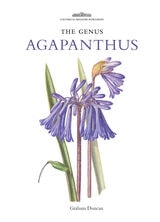
The Genus Agapanthus
Graham Duncan
Royal Botanic Gardens, Kew, 2021
Renowned for its stunning blue flowers, agapanthus—sometimes known as the blue lily or lily of the Nile—is a group of rhizomatous plants native to southern Africa. First cultivated in the Netherlands in the late seventeenth century, it rose to prominence as a conservatory plant in England during the eighteenth and nineteenth centuries after certain varieties were found to be hardy enough to withstand the colder climate of the British Isles. Graham Duncan’s The Genus Agapanthus provides both a revised classification of this plant group and a superbly illustrated celebration of their unique beauty. Featuring new watercolors from South African artist Elbe Joubert and color photographs showing the species in their spectacular and varied natural habitats, the book also highlights a selection of more than 150 of the most notable agapanthus cultivars from growers across Europe, Africa, and Oceania. The agapanthus’s natural history is spotlighted as well, with comprehensive descriptions of each species, maps of their global distribution, and information on how to successfully cultivate, propagate, and care for them. This book’s blend of science, horticulture, and art makes it essential for all varieties of plant lovers.
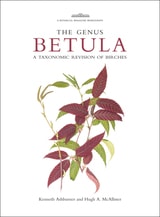
The Genus Betula
A Taxonomic Revision of BirchesKenneth Ashburner and Hugh McAllister
Royal Botanic Gardens, Kew, 2013
The Genus Betula covers all known birches found in North America, Europe, and Asia, along with keys for accurate identification. Chapters include a look at the breeding, cultivation, conservation, and morphology of all species, including several little-known species wonderful for garden and landscape use. The authors present previously unpublished data on recent molecular work and fossils, providing a cytotaxonomic and phylogeographic revision of the Betula genus. The book is accompanied by exquisite specimens of botanical art, including full-color paintings by Josephine Hague, making it a valuable tool for arboriculturists as well as professional and amateur gardeners.
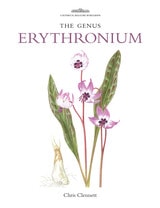
The Genus Erythronium
Chris Clennet
Royal Botanic Gardens, Kew, 2014
The Genus Erythronium details all twenty-nine currently identified species, all based on the most current research, including brand-new information on morphology and DNA. Captivating botanical illustrations and photographs fill the book and an extensive key allows easy identification of each species. Chapters covering phytogeography, morphology, cultivation, and conservation, as well as guidance on rating plants, come together to make this an essential, comprehensive volume.
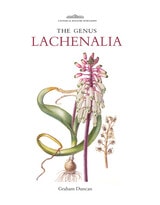
The Genus Lachenalia
Graham Duncan
Royal Botanic Gardens, Kew, 2012
The Genus Lentinus
A World MonographDavid N. Pegler
Royal Botanic Gardens, Kew, 1983
The Genus Macaranga - a Prodromus
Timothy C. Whitmore
Royal Botanic Gardens, Kew, 2008
The Genus Meconopsis
Blue poppies and their relativesChristopher Grey-Wilson
Royal Botanic Gardens, Kew, 2015
The Genus Meconopsis is the first major revision of the genus since 1934 and the only monograph on the genus in existence. This fully revised text incorporates the discovery of nearly thirty new species with decades of new scholarship. The book is extensively illustrated with striking color photographs and botanical paintings. Species descriptions that include habitat and variation within the genus, as well as detailed distribution maps, make this ideal for botanists, horticulturalists, and gardeners alike.
The Genus Tulipa
Tulips of the WorldDiana Everett
Royal Botanic Gardens, Kew, 2013
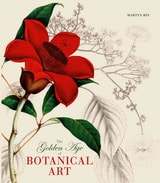
The Golden Age of Botanical Art
Martyn Rix
University of Chicago Press, 2012
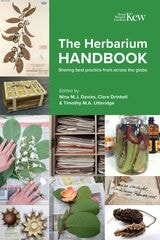
The Herbarium Handbook
Edited by Nina M. J. Davies, Clare Drinkell, and Timothy M. A. Utteridge
Royal Botanic Gardens, Kew, 2023
The Herbarium Handbook has been an important reference for herbarium collections care and management since it was first published in 1989. Based on standard herbarium practices and personal experience from experts at the Royal Botanic Gardens, Kew, the book also draws on examples from partners and collaborators around the world, making it accessible and adaptable for all herbarium practitioners. The book covers everything from creating herbarium collections to preparing and caring for specimens, managing a herbarium building, and public engagement and outreach. It is the essential reference for anyone working in this field.
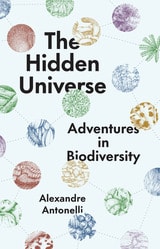
The Hidden Universe
Adventures in BiodiversityAlexandre Antonelli
University of Chicago Press, 2022
We are now living in an environmental emergency. As climate change, habitat loss, and other threats have placed almost one-fifth of all species on Earth at risk of extinction in the coming decades, a deeper understanding of biodiversity has never been more important. Biodiversity encompasses the rich variety of all life on Earth—the building blocks of life that provide invaluable sources of food, medicine, clothing, building materials, and more.
Marking the arrival of a bold new voice in popular science, The Hidden Universe shows readers what’s at stake in the fight to protect and restore biodiversity, but also what can and should be done now to protect our planet and ourselves for the future. As director of science at one of the world’s largest research organizations in plant and fungal sciences, Brazilian-born scientist Alexandre Antonelli is ideally suited to reveal the wonders of biodiversity at a genetic, species, and ecosystem level—what biodiversity is, how it works, and why it is the most important tool in our battle against climate change. Antonelli offers recommendations for large-scale political changes, as well as smaller, practical steps that readers can implement in their own lives and homes. With Antonelli as our guide, The Hidden Universe helps us imagine a future where biodiversity is not just preserved but cherished.
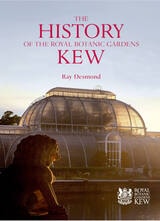
The History of the Royal Botanic Gardens Kew
Ray Desmond
Royal Botanic Gardens, Kew, 2007
Kew's heritage - the herbarium, art and architecture, from Kew Palace and Burton's great Palm House to the Princess of Wales Conservatory, state of the art laboratories and new Davies Alpine House - is illustrated and described, together with the events leading to its UNESCO World Heritage Site status in 2003. Lastly, it is a social history of the Gardens, and of the scientists, architects, designers and gardeners who have made Kew.
Detailed appendices and bibliography have been updated, and two new chapters added, bringing the book up to date as the authoritative reference work on Kew, its history and function.
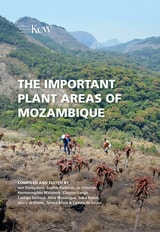
The Important Plant Areas of Mozambique
Edited by Iain Darbyshire, Sophie Richards, and Jo Osborne
Royal Botanic Gardens, Kew, 2023
The Important Plant Areas of Mozambique is based on the Mozambique TIPAs project run in collaboration between Royal Botanic Gardens, Kew, Mozambique’s Agricultural Research Institute (Instituto de Investigação Agrária de Moçambique – IIAM), and the University Eduardo Mondlane. Drawing on information from the TIPAs database, The Important Plant Areas of Mozambique includes color maps and photographs, site descriptions, and tables to present information on the botanical significance, habitat, and geology of the region. The book will also address conservation issues and ecosystem services to promote Mozambique’s critical plant sites and inform conservation leaders in government, NGOs, universities, and local communities about Mozambique’s threatened habitats.
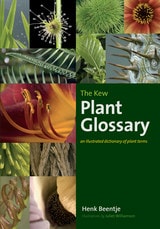
The Kew Plant Glossary
An Illustrated Dictionary of Plant TermsHenk Beentje
Royal Botanic Gardens, Kew, 2010
This accessible, comprehensive glossary covers all the descriptive terms for plants that one is likely to encounter in botanical writing, including everything from magazine articles to plant field guides, scientific papers, and monographs. An essential companion, it presents 3,600 botanical terms, accompanied by full definitions and detailed illustrations to aid in identification, all laid out in a clear, easy-to-use fashion. It will be indispensable for plant scientists, conservationists, horticulturists, gardeners, writers, and anyone working with plant descriptions, plant identification keys, floras, or field guides.
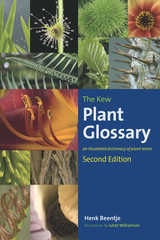
The Kew Plant Glossary
An Illustrated Dictionary of Plant Terms - Second EditionHenk Beentje
Royal Botanic Gardens, Kew, 2015
The Kew Plant Glossary is a comprehensive guide to the myriad of terms used in the identification and conservation of plants. This new edition adds more than four hundred new entries, including a vegetation-type section, bringing the total to 4,905 botanical terms and seven hundred illustrations. The terms are clearly explained, many with basic line drawings to further clarify a description. Henk Beentje consulted a host of botanical works as well as colleagues working in the field to create a glossary that is clear, easy to use, and free of confusion. He notes terms that are easily mixed up with others and points out phrases that are considered outside common usage.
This is an essential companion for anyone who finds themselves searching for the right word when writing about plants, who needs to clearly identify the pieces of their work, or who just wants to talk more authoritatively about the plants they love.

The Kew Temperate Plant Families Identification Handbook
Edited by Gemma Bramley, Anna Trias Blasi, and Richard Wilford
Royal Botanic Gardens, Kew, 2023
The Royal Botanic Gardens, Kew is a center of expertise for cultivating a range of plants from around the world. The Kew Temperate Plant Families Identification Handbook draws on the combined knowledge of those experts to create a guide to the commonly found plants of temperate regions—areas between the subtropics and the polar circles. In this book, Kew’s experts present unrivaled scientific and horticultural knowledge of the plants they encounter. The book describes one hundred plant families in detail, illustrating them with photographs showing the important identification characteristics, along with distribution maps, line drawings, and herbarium sheets. This book will be the primary resource for plant identification for those working in temperate regions around the world.
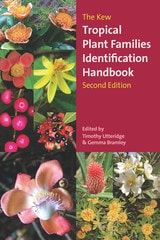
The Kew Tropical Plant Families Identification Handbook
Second EditionEdited by Timothy Utteridge and Gemma Bramley
Royal Botanic Gardens, Kew, 2015
This fully updated second edition adds seventeen new family and subfamily descriptions and includes updated research throughout. Each of the one hundred families is described in detail and richly illustrated with photographs that show important identification characteristics. The book’s emphasis on images and the foundations of identification means that both specialists and nonspecialists alike will be able to use this guide.
The Kew Tropical Plant Families Identification Handbook is a portable, easy-to-use resource, perfect for tropical botanists as well as students and conservation professionals.
The Last 10,000 Years
A Fossil Pollen Record of the American SouthwestPaul S. Martin
University of Arizona Press, 1964

The Legumes of Texas
By B. L. Turner
University of Texas Press, 1959
The Life of Plants
E. J. H. Corner
University of Chicago Press, 2003
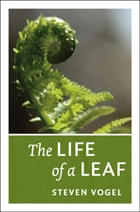
The Life of a Leaf
Steven Vogel
University of Chicago Press, 2012
In Vogel’s account, the leaf serves as a biological everyman, an ordinary and ubiquitous living thing that nonetheless speaks volumes about our environment as well as its own. Thus in exploring the leaf’s world, Vogel simultaneously explores our own.
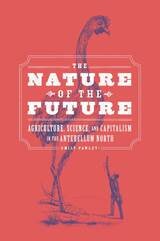
The Nature of the Future
Agriculture, Science, and Capitalism in the Antebellum NorthEmily Pawley
University of Chicago Press, 2020
The nostalgic mist surrounding farms can make it hard to write their history, encrusting them with stereotypical rural virtues and unrealistically separating them from markets, capitalism, and urban influences. The Nature of the Future dispels this mist, focusing on a place and period of enormous agricultural vitality—antebellum New York State—to examine the largest, most diverse, and most active scientific community in nineteenth-century America. Emily Pawley shows how “improving” farmers practiced a science where conflicting visions of the future landscape appeared and evaporated in quick succession. Drawing from US history, environmental history, and the history of science, and extensively mining a wealth of antebellum agricultural publications, The Nature of the Future reveals how improvers transformed American landscapes and American ideas of expertise, success, and exploitation from the ground up.
The Ornaments of Life
Coevolution and Conservation in the TropicsTheodore H. Fleming and W. John Kress
University of Chicago Press, 2013
The Palms of New Guinea
William J. Baker, Anders S. Barfod, Rodrigo Camara-Leret, John L. Dowe, John Dransfield, Charlie D. Heatubun, Peter Petoe, Jessica H. Turner, and Scott Zona
Royal Botanic Gardens, Kew, 2024
From exquisite palmlets to graceful canopy giants, palms dominate the rainforests of New Guinea, one of the last tropical wilderness areas on the planet. New Guinea is the world’s largest tropical island and a globally significant biodiversity hotspot. Its extraordinary flora and remarkable 250 species of palm are vital for the people of New Guinea, who depend on them for their survival.
Palms of New Guinea is the first comprehensive account of these immensely important plants, covering their taxonomy, identification, distribution, habitat, conservation status, and much more. Alongside over 650 photographs and 250 detailed maps, botanical artist Lucy T. Smith has illustrated all species featured in Palms of New Guinea. Written by nine scientific experts, this is an essential companion for anyone studying or working in the region.
The Paradise Garden Murals of Malinalco
Utopia and Empire in Sixteenth-Century MexicoBy Jeanette Favrot Peterson
University of Texas Press, 1993
Winner, Charles Rufus Morey Award, 1993
The valley of Malinalco, Mexico, long renowned for its monolithic Aztec temples, is a microcosm of the historical changes that occurred in the centuries preceding and following the Spanish conquest in the sixteenth century. In particular, the garden frescoes uncovered in 1974 at the Augustinian monastery of Malinalco document the collision of the European search for Utopia with the reality of colonial life.
In this study, Jeanette F. Peterson examines the murals within the dual heritage of pre-Hispanic and European muralism to reveal how the wall paintings promoted the political and religious agendas of the Spanish conquerors while preserving a record of pre-Columbian rituals and imagery. She finds that the utopian themes portrayed at Malinalco and other Augustinian monasteries were integrated into a religious and political ideology that, in part, camouflaged the harsh realities of colonial policies toward the native population.
That the murals were ultimately whitewashed at the end of the sixteenth century suggests that the "spiritual conquest" failed. Peterson argues that the incorporation of native features ultimately worked to undermine the orthodoxy of the Christian message. She places the murals' imagery within the pre-Columbian tlacuilo (scribe-painter) tradition, traces a "Sahagún connection" between the Malinalco muralists and the native artists working at the Franciscan school of Tlatelolco, and explores mural painting as an artistic response to acculturation.
The book is beautifully illustrated with 137 black-and-white figures, including photographs and line drawings. For everyone interested in the encounter between European and Native American cultures, it will be essential reading.
The Plants of Sudan and South Sudan
An Annotated ChecklistEdited by Iain Darbyshire, Maha Kordofani, Imadeldin Farag, Ruba Candiga, and Helen Pickering
Royal Botanic Gardens, Kew, 2014
The Plants of Sudan and South Sudan is the first comprehensive look at the plants of this region and includes nearly every known species. Each entry includes accepted scientific names, relevant synonymy, and brief habitat notes, as well as both global and regional distribution data. Also featured is a list of globally threatened plant species, their habitats, and their distribution within the region, which offers conservationists, land management agencies, and governmental departments key information on potential conservation priorities. This book will be the baseline reference for all future botanical and conservation work in the Sudan region.
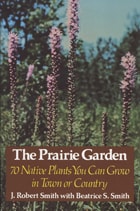
The Prairie Garden
Seventy Native Plants You Can Grow in Town or CountryJ. Robert Smith with Beatrice S. Smith
University of Wisconsin Press, 1980
Prairie plants are among the toughest of all ornamentals. While they fascinate gardeners with their beauty and versatility, they require little maintenance. They are highly resistant to insect and disease damage, and they need not be replanted every year.
In recent years, the idea of growing prairie plants has gained increasing appeal among gardeners. Bob and Beatrice Smith have prepared this practical growing guide—based on their more than fourteen years of experience and experimentation—for all people who wish to grow prairie plants. The Smiths, who have grown all the plants they discuss here, share their wealth of experience with the reader. They recommend the best sites, tell how to plan and prepare the site and how to treat and plant seeds, and share important tips on propagation, transplanting, and managing the prairie garden or landscape. To aid in both planning and identification, the book includes full-color illustrations of all seventy plants.
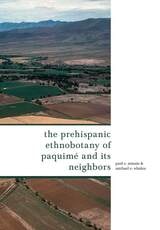
The Prehispanic Ethnobotany of Paquimé and Its Neighbors
Paul E. Minnis and Michael E. Whalen
University of Arizona Press, 2020
This volume is the first large-scale investigation of the prehispanic ethnobotany of this important ancient site and its neighbors. The authors examine ethnobotanical relationships during Medio Period, AD 1200–1450, when Paquimé was at its most influential. Based on two decades of archaeological research, this book examines uses of plants for food, farming strategies, wood use, and anthropogenic ecology. The authors show that the relationships between plants and people are complex, interdependent, and reciprocal. This volume documents ethnobotanical relationships and shows their importance to the development of the Paquimé polity.
How ancient farmers made a living in an arid to semi-arid region and the effects their livelihood had on the local biota, their relations with plants, and their connection with other peoples is worthy of serious study. The story of the Casas Grandes tradition holds valuable lessons for humanity.
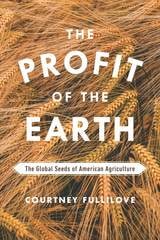
The Profit of the Earth
The Global Seeds of American AgricultureCourtney Fullilove
University of Chicago Press, 2017
Organized into three thematic parts, The Profit of the Earth is a narrative history of the collection, circulation, and preservation of seeds. Fullilove begins with the political economy of agricultural improvement, recovering the efforts of the US Patent Office and the nascent US Department of Agriculture to import seeds and cuttings for free distribution to American farmers. She then turns to immigrant agricultural knowledge, exploring how public and private institutions attempting to boost midwestern wheat yields drew on the resources of willing and unwilling settlers. Last, she explores the impact of these cereal monocultures on biocultural diversity, chronicling a fin-de-siècle Ohio pharmacist’s attempt to source Purple Coneflower from the diminishing prairie. Through these captivating narratives of improvisation, appropriation, and loss, Fullilove explores contradictions between ideologies of property rights and common use that persist in national and international development—ultimately challenging readers to rethink fantasies of global agriculture’s past and future.
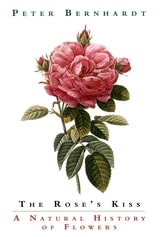
The Rose's Kiss
A Natural History of FlowersPeter Bernhardt
University of Chicago Press, 2002
In The Rose's Kiss, Peter Bernhardt presents a fascinating and wide-ranging look at the natural history of flowers—how they look, what they do, and their often hidden interactions with the surrounding environment and other living organisms upon which they depend for their survival. You'll discover why flowers are so colorful, how they evolved, and how insects exploit them for their nectar. This is a book for all flower lovers, from naturalists and gardeners to poets and botanists.