Results by title
214 books match the query 'Constitutional' and 99 start with t
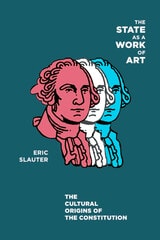
The State as a Work of Art
The Cultural Origins of the ConstitutionEric Slauter
University of Chicago Press, 2009
The founding of the United States after the American Revolution was so deliberate, so inspired, and so monumental in scope that the key actors considered this new government to be a work of art framed from natural rights. Recognizing the artificial nature of the state, these early politicians believed the culture of a people should inform the development of their governing rules and bodies. Eric Slauter explores these central ideas in this extensive and novel account of the origins and meanings of the Constitution of the United States. Slauter uncovers the hidden cultural histories upon which the document rests, highlights the voices of ordinary people, and considers how the artifice of the state was challenged in its effort to sustain inalienable natural rights alongside slavery and to achieve political secularization at a moment of growing religious expression.
A complement to classic studies of the Constitution’s economic, ideological, and political origins, The State as a Work of Art sheds new light on the origins of the Constitution and on ongoing debates over its interpretation.
The Supreme Court Review, 1960
Edited by Philip B. Kurland
University of Chicago Press Journals, 1960
The Supreme Court Review, 1961
Edited by Philip B. Kurland
University of Chicago Press Journals, 1961
The Supreme Court Review, 1962
Edited by Philip B. Kurland
University of Chicago Press Journals, 1962
The Supreme Court Review, 1963
Edited by Philip B. Kurland
University of Chicago Press Journals, 1963
The Supreme Court Review, 1966
Edited by Philip B. Kurland
University of Chicago Press Journals, 1966
The Supreme Court Review, 1967
Edited by Philip B. Kurland
University of Chicago Press Journals, 1967
The Supreme Court Review, 1969
Edited by Philip B. Kurland
University of Chicago Press Journals, 1969
The Supreme Court Review, 1971
Edited by Philip B. Kurland
University of Chicago Press Journals, 1971
The Supreme Court Review, 1973
Edited by Philip B. Kurland
University of Chicago Press Journals, 1974
The Supreme Court Review, 1974
Edited by Philip B. Kurland
University of Chicago Press Journals, 1975
The Supreme Court Review, 1975
Edited by Philip B. Kurland
University of Chicago Press Journals, 1976
The Supreme Court Review, 1976
Edited by Philip B. Kurland
University of Chicago Press Journals, 1977
The Supreme Court Review, 1977
Edited by Philip B. Kurland
University of Chicago Press Journals, 1978
The Supreme Court Review, 1979
Edited by Philip B. Kurland
University of Chicago Press Journals, 1980
The Supreme Court Review, 1981
Edited by Philip B. Kurland
University of Chicago Press Journals, 1982
The Supreme Court Review, 1982
Edited by Philip B. Kurland
University of Chicago Press Journals, 1983
The Supreme Court Review, 1983
Edited by Philip B. Kurland
University of Chicago Press Journals, 1984
The Supreme Court Review, 1985
Edited by Philip B. Kurland
University of Chicago Press Journals, 1986
The Supreme Court Review, 1986
Edited by Philip B. Kurland, Gerhard Casper, and Dennis J. Hutchinson
University of Chicago Press Journals, 1987
The Supreme Court Review, 1987
Edited by Philip B. Kurland, Gerhard Casper, and Dennis J. Hutchinson
University of Chicago Press Journals, 1988
The Supreme Court Review, 1988
Edited by Philip B. Kurland, Gerhard Casper, and Dennis J. Hutchinson
University of Chicago Press Journals, 1989
The Supreme Court Review, 1989
Edited by Philip B. Kurland, Gerhard Casper, and Dennis J. Hutchinson
University of Chicago Press Journals, 1990
The Supreme Court Review, 1990
Edited by Gerhard Casper and Dennis J. Hutchinson
University of Chicago Press Journals, 1991
The Supreme Court Review, 1991
Edited by Dennis J. Hutchinson, David A. Strauss, and Geoffrey R. Stone
University of Chicago Press Journals, 1992
The Supreme Court Review, 1992
Edited by Dennis J. Hutchinson, David A. Strauss, and Geoffrey R. Stone
University of Chicago Press Journals, 1993
The Supreme Court Review, 1993
Edited by Dennis J. Hutchinson, David A. Strauss, and Geoffrey R. Stone
University of Chicago Press Journals, 1994
The Supreme Court Review, 1994
Edited by Dennis J. Hutchinson, David A. Strauss, and Geoffrey R. Stone
University of Chicago Press Journals, 1995
The Supreme Court Review, 1995
Edited by Dennis J. Hutchinson, David A. Strauss, and Geoffrey R. Stone
University of Chicago Press Journals, 1996
The Supreme Court Review, 1996
Edited by Dennis J. Hutchinson, David A. Strauss, and Geoffrey R. Stone
University of Chicago Press Journals, 1997
The Supreme Court Review, 1997
Edited by Dennis J. Hutchinson, David A. Strauss, and Geoffrey R. Stone
University of Chicago Press Journals, 1998
The Supreme Court Review, 1998
Edited by Dennis J. Hutchinson, David A. Strauss, and Geoffrey R. Stone
University of Chicago Press Journals, 1999

The Supreme Court Review, 2009
Edited by Dennis J. Hutchinson, David A. Strauss, and Geoffrey R. Stone
University of Chicago Press Journals, 2010
The Supreme Court Review, 2011
Edited by Dennis J. Hutchinson, David A. Strauss, and Geoffrey R. Stone
University of Chicago Press Journals, 2012
The Supreme Court Review, 2012
Edited by Dennis J. Hutchinson, David A. Strauss, and Geoffrey R. Stone
University of Chicago Press Journals, 2013
The Supreme Court Review, 2013
Edited by Dennis J. Hutchinson, David A. Strauss, and Geoffrey R. Stone
University of Chicago Press Journals, 2014
The Supreme Court Review, 2014
Edited by Dennis J. Hutchinson, David A. Strauss, and Geoffrey R. Stone
University of Chicago Press Journals, 2015
The Supreme Court Review, 2015
Edited by Dennis J. Hutchinson, David A. Strauss, and Geoffrey R. Stone
University of Chicago Press Journals, 2016
The Supreme Court Review, 2016
Edited by Dennis J. Hutchinson, David A. Strauss, and Geoffrey R. Stone
University of Chicago Press Journals, 2017
The Supreme Court Review, 2017
Edited by Dennis J. Hutchinson, David A. Strauss, and Geoffrey R. Stone
University of Chicago Press Journals, 2018
The Supreme Court Review, 2018
Edited by David A. Strauss, Geoffrey R. Stone, and Justin Driver
University of Chicago Press Journals, 2019
This year’s volume features prominent scholars assessing major legal events, including:
Mark Tushnet on President Trump’s “Muslim Ban”
Kate Andrias on Union Fees in the Public Sector
Cass R. Sunstein on Chevron without Chevron
Tracey Maclin on the Fourth Amendment and Unauthorized Drivers
Frederick Schauer on Precedent
Pamela Karlan on Gay Equality and Racial Equality
Randall Kennedy on Palmer v. Thompson
Lisa Marshall Manheim and Elizabeth G. Porter on Voter Suppression
Melissa Murray on Masterpiece Cakeshop
Vikram David Amar on Commandeering
Laura K. Donohue on Carpenter, Precedent, and Originalism
Evan Caminker on Carpenter and Stability
The Supreme Court Review, 2019
Edited by David A. Strauss, Geoffrey R. Stone, and Justin Driver
University of Chicago Press Journals, 2020
This year’s volume features incisive assessments of major legal events, including:
Gillian E. Metzger on The Roberts Court's Administrative Law
Paul Butler on Peremptory Strikes in Mississippi v. Flowers
Nicholas O. Stephanopoulos on Partisan Gerrymandering
Kent Greenfield on Hate Speech
Jennifer M. Chacon on Department of Commerce v. New York
Micah Schwartzman & Nelson Tebbe on Establishment Clause Appeasement
William Baude on Precedent and Originalism
Linda Greenhouse on The Supreme Court’s Challenge to Civil Society
James T. Kloppenberg on James Madison
The Supreme Court Review, 2020
Edited by David A. Strauss, Geoffrey R. Stone, and Justin Driver
University of Chicago Press Journals, 2021
Since it first appeared in 1960, The Supreme Court Review (SCR) has won acclaim for providing a sustained and authoritative survey of the implications of the Court's most significant decisions. SCR is an in-depth annual critique of the Supreme Court and its work, keeping up on the forefront of the origins, reforms, and interpretations of American law. SCR is written by and for legal academics, judges, political scientists, journalists, historians, economists, policy planners, and sociologists.
This year’s volume features incisive assessments of major legal events, including:
Cristina M. Rodríguez on the Political Significance of Law
Martha Minow on Little Sisters of the Poor
Cass R. Sunstein and Adrian Vermeule on the Unitary Executive
Cary Franklin on Living Textualism
David A. Strauss on Sexual Orientation and the Dynamics of Discrimination
Saikrishna Bangalore Prakash on the Executive’s Privileges and Immunities
Reva B. Siegel on Abortion Restrictions
Maggie Blackhawk on McGirt v. Oklahoma
Richard J. Lazarus on Advocacy History
The Supreme Court Review, 2021
Edited by David A. Strauss, Geoffrey R. Stone, Justin Driver, and William Baude
University of Chicago Press Journals, 2022
Since it first appeared in 1960, the Supreme Court Review has won acclaim for providing a sustained and authoritative survey of the implications of the Court's most significant decisions. SCR is an in-depth annual critique of the Supreme Court and its work, analyzing the origins, reforms, and modern interpretations of American law. SCR is written by and for legal academics, judges, political scientists, journalists, historians, economists, policy planners, and sociologists.
The Supreme Court Review, 2022
Edited by David A. Strauss, Geoffrey R. Stone, Justin Driver, and William Baude
University of Chicago Press Journals, 2023
Since it first appeared in 1960, the Supreme Court Review has won acclaim for providing a sustained and authoritative survey of the implications of the Court's most significant decisions. SCR is an in-depth annual critique of the Supreme Court and its work, analyzing the origins, reforms, and modern interpretations of American law. SCR is written by and for legal academics, judges, political scientists, journalists, historians, economists, policy planners, and sociologists.
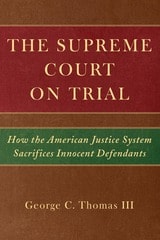
The Supreme Court on Trial
How the American Justice System Sacrifices Innocent DefendantsGeorge C. Thomas III
University of Michigan Press, 2011
The chief mandate of the criminal justice system is not to prosecute the guilty but to safeguard the innocent from wrongful convictions; with this startling assertion, legal scholar George Thomas launches his critique of the U.S. system and its emphasis on procedure at the expense of true justice.
Thomas traces the history of jury trials, an important component of the U.S. justice system, since the American Founding. In the mid-twentieth century, when it became evident that racism and other forms of discrimination were corrupting the system, the Warren Court established procedure as the most important element of criminal justice. As a result, police, prosecutors, and judges have become more concerned about following rules than about ensuring that the defendant is indeed guilty as charged. Recent cases of prisoners convicted of crimes they didn't commit demonstrate that such procedural justice cannot substitute for substantive justice.
American justices, Thomas concludes, should take a lesson from the French, who have instituted, among other measures, the creation of an independent court to review claims of innocence based on new evidence. Similar reforms in the United States would better enable the criminal justice system to fulfill its moral and legal obligation to prevent wrongful convictions.
"Thomas draws on his extensive knowledge of the field to elaborate his elegant and important thesis---that the American system of justice has lost sight of what ought to be its central purpose---protection of the innocent."
—Susan Bandes, Distinguished Research Professor of Law, DePaul University College of Law
"Thomas explores how America's adversary system evolved into one obsessed with procedure for its own sake or in the cause of restraining government power, giving short shrift to getting only the right guy. His stunning, thought-provoking, and unexpected recommendations should be of interest to every citizen who cares about justice."
—Andrew E. Taslitz, Professor of Law, Howard University School of Law
"An unflinching, insightful, and powerful critique of American criminal justice---and its deficiencies. George Thomas demonstrates once again why he is one of the nation's leading criminal procedure scholars. His knowledge of criminal law history and comparative criminal law is most impressive."
—Yale Kamisar, Distinguished Professor of Law, University of San Diego and Clarence Darrow Distinguished University Professor Emeritus of Law, University of Michigan
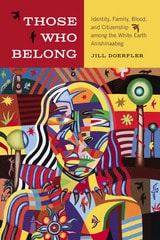
Those Who Belong
Identity, Family, Blood, and Citizenship among the White Earth AnishinaabegJill Doerfler
Michigan State University Press, 2015
Too Much Free Speech?
Randall P. Bezanson
University of Illinois Press, 2012
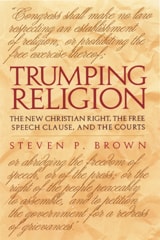
Trumping Religion
The New Christian Right, the Free Speech Clause, and the CourtsSteven P. Brown
University of Alabama Press, 2004
The first scholarly treatment of the strategies employed by the New Christian Right in redefining religious freedom in the courtroom.
Trumping Religion provides a detailed analysis of the five major public-interest law firms that have litigated religion cases in the federal courts between 1980 and 2000. Allied with several highly vocal, evangelical ministries, such as those of Jerry Falwell and Pat Robinson, these legal organizations argue that religious expression is a form of protected speech and thereby gain a greater latitude of interpretation in the courts. The long-term agenda of the New Christian Right as illuminated by this study is to shape church-state jurisprudence in a way that permits free course for the Christian gospel.
Steven P. Brown presents his research and conclusions from a balanced viewpoint. In filling a distinct void in the literature, this book will be of considerable interest to political scientists, legal scholars, law schools and seminaries, and anyone concerned with the intersection of religion and judicial politics.