Results by title
74 books match the query 'Puerto Rico' and 3 start with w
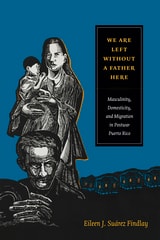
We Are Left without a Father Here
Masculinity, Domesticity, and Migration in Postwar Puerto RicoEileen J. Suárez Findlay
Duke University Press, 2015
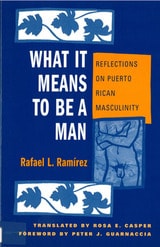
What It Means To Be A Man
Reflections on Puerto Rican MasculinityRafael L. Ramirez
Rutgers University Press, 1999
What It Means to Be a Man begins with a discussion of machismo set in the context of the social construction of masculinity. Ramírez presents his interpretation of what it means to be a Puerto Rican man, discussing the attributes and demands of masculinity, and pointing out the ways in which strength, competition, and sexuality are joined with power and pleasure. He examines the erotic relationships between men as part of the expressions of masculinity, and analyzes how the homosexual experience reproduces the dominant masculine ideology. Finally, Ramírez draws on the literature of the recent men's movements, offering Puerto Rican men the possibility of constructing a new masculinity, liberated from power games, to provide them with a chance to not only be better understood by others, but also to better understand themselves and their place in society.
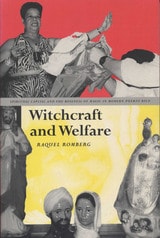
Witchcraft and Welfare
Spiritual Capital and the Business of Magic in Modern Puerto RicoBy Raquel Romberg
University of Texas Press, 2003
Persecuted as evil during colonial times, considered charlatans during the nation-building era, Puerto Rican brujos (witch-healers) today have become spiritual entrepreneurs who advise their clients not only in consultation with the spirits but also in compliance with state laws and new economic opportunities. Combining trance, dance, magic, and healing practices with expertise in the workings of the modern welfare state, they help lawyers win custody suits, sick employees resolve labor disability claims, single mothers apply for government housing, or corporation managers maximize their commercial skills.
Drawing on extensive fieldwork among practicing brujos, this book presents a masterful history and ethnography of Puerto Rican brujería (witch-healing). Raquel Romberg explores how brujería emerged from a blending of popular Catholicism, Afro-Latin religions, French Spiritism, and folk Protestantism and also looks at how it has adapted to changes in state policies and responded to global flows of ideas and commodities. She demonstrates that, far from being an exotic or marginal practice in the modern world, brujería has become an invisible yet active partner of consumerism and welfare capitalism.