Results by title
413 books match the query 'Pictorial works' and 3 start with y
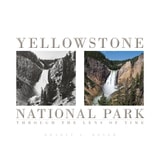
Yellowstone National Park
Through the Lens of TimeBradly J. Boner
University Press of Colorado, 2017
Pioneer photographer William Henry Jackson’s photographs from the 1871 Hayden Survey were instrumental in persuading Congress to designate Yellowstone as a national park—America’s first and greatest experiment in the preservation of an extraordinary landscape. Yellowstone National Park: Through the Lens of Time is an extended visual essay presenting Jackson’s images paired with breathtaking color rephotographs of each view from photojournalist Bradly J. Boner. These contemporary comparisons to Jackson’s originals reveal just how well that experiment has stood the test of time.
Yellowstone is always changing. The Grand Canyon is getting deeper and wider as the Yellowstone River carves a chasm into the earth. The flows of the great hot springs at Mammoth are creating new layers of delicate, colorful cascades and leaving the old terraces to crumble in decay. Roads, bridges, and pathways wind through the park, and there are restaurants, campgrounds, and hotels. Yet even with the impact of humanity, Yellowstone remains remarkably intact, evidence that the effort to preserve and sustain the park for future generations has been a success.
Combining more than 100 gorgeous “then and now” sets of photographs—the first complete published collection of Jackson’s images from the 1871 Hayden Survey and a result of Boner's three years of work rephotographing them—with history, extensive notes, and personal tales, Yellowstone National Park: Through the Lens of Time pays homage to the park’s early history and its present state, and offers a glimpse into the future. The great experiment of Yellowstone—which captivates millions of visitors from all corners of the globe each year—has transcended generations and should be maintained for generations to come.
The University Press of Colorado and the author gratefully acknowledge the generous contributions of the many donors to the Kickstarter campaign supporting the publication of this book.
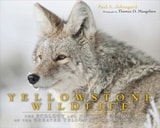
Yellowstone Wildlife
Ecology and Natural History of the Greater Yellowstone EcosystemPaul A. Johnsgard, Photographs by Thomas D. Mangelsen
University Press of Colorado, 2013
From charismatic megafauna like elk, bison, wolves, bighorn sheep, and grizzly bears, to smaller mammals like bats, pikas, beavers, and otters, to some of the 279 species of birds, Johnsgard describes the behavior of animals throughout the seasons, with sections on what summer and autumn mean to the wildlife of the park, especially with the intrusion of millions of tourists each year. Enhanced by Mangelsen’s wildlife photography, Yellowstone Wildlife reveals the beauty and complexity of these species’ intertwined lives and that of Yellowstone’s greater ecosystem.
You Can Crush the Flowers
A Visual Memoir of the Egyptian RevolutionBahia Shehab
Gingko, 2021