Results by title
3 books match the query '1935-1977'
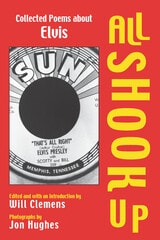
All Shook Up
Collected Poems about ElvisWill Clemens
University of Arkansas Press, 2001
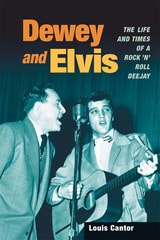
Dewey and Elvis
The Life and Times of a Rock 'n' Roll DeejayLouis Cantor
University of Illinois Press, 2010
Louis Cantor illuminates Phillips's role in turning a huge white audience on to previously forbidden race music. Phillips's zeal for rhythm and blues legitimized the sound and set the stage for both Elvis's subsequent success and the rock 'n' roll revolution of the 1950s. Using personal interviews, documentary sources, and oral history collections, Cantor presents a personal view of the disc jockey while restoring Phillips's place as an essential figure in rock 'n' roll history.
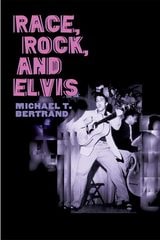
Race, Rock, and Elvis
Michael T. Bertrand
University of Illinois Press, 2000
Did Elvis Presley's brand of rock 'n' roll help revise racial attitudes in postwar America? Michael T. Bertrand delves into this question and many others to investigate popular music's revolutionary influence on black-white relations in the South.
Youthful fans of rhythm and blues, rock 'n' roll, and other black-inspired music often broke from their segregationist elders and ignored the color line. Not coincidentally, these same young white people--the southern branch of a national and commercialized youth culture--led a general relaxation of racist attitudes. Bertrand argues that African American music facilitated a new recognition of black people as fellow human beings. African American audiences welcomed Elvis with enthusiasm while racially mixed audiences flocked to music venues at a time when adults expected separate performances for black and white audiences. Bertrand also describes the critical role of radio and recordings in making African American culture available to white fans on an unprecedented scale. Over time, southern working-class youth used the new music to define and express new values and build their own identities.