Results by title
3 books match the query 'Arabic fiction'
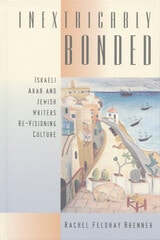
Inextricably Bonded
Israeli Arab and Jewish Writers Re-Visioning CultureRachel Feldhay Brenner
University of Wisconsin Press, 2003
Despite the tragic reality of the continuing Israeli-Arab conflict and deep-rooted beliefs that the chasm between Israeli Jews and Israeli Arabs is unbridgeable, this book affirms the bonds between the two communities. Rachel Feldhay Brenner demonstrates that the literatures of both ethnic groups defy the ideologies that have obstructed dialogue between the two peoples.
Brenner argues that literary critics have ignored the variety and the dissent in the novels of both Arab and Jewish writers in Israel, giving them interpretations that embrace the politics of exclusion and conform with Zionist ideology. Brenner offers insightful new readings that compare fiction by Jewish writers Amos Oz, A.B. Yehoshua, David Grossman, and others with fiction written in Hebrew by such Arab-Israeli writers as Atallah Mansour, Emile Habiby, and Anton Shammas. This parallel analysis highlights the moral and psychological dilemmas faced by both the Jewish victors and the Arab vanquished, and Brenner suggests that the hope for release from the historical trauma lies—on both sides—in reaching an understanding with and of the adversary.
Drawing upon the theories of Walter Benjamin, Jacques Lacan, Sigmund Freud, Emanuel Levinas, and others, Inextricably Bonded is an innovative and illuminating examination of literary dissent from dominant ideology.

Maryam
Keeper of StoriesAlawiya Sobh
Seagull Books, 2016

The Neighbors
By Ahmad Mahmoud
University of Texas Press, 2013
Ahmad Mahmoud sets The Neighbors against the backdrop of the oil nationalization crisis that gripped Iran in the early 1950s. His protagonist, Khaled, a young man from a rundown neighborhood in Ahvaz, a city in southern Iran, becomes involved in the struggle to wrest Iran’s oil industry from the British and, as the result of his political activities, comes to realize that there is more to life than the drudgery and poverty his parents and neighbors have experienced.
The Neighbors, published in 1974, cemented Mahmoud’s reputation as a novelist and captured the ethos of a generation—the generation that laid the groundwork for those who continue to struggle for democracy in Iran today. Though the novel received considerable praise and was read widely, its political nature earned the ire of Mohammad Reza Shah’s regime, and the Islamic Republic has objected to its sexually explicit content. This is the first time one of Ahmad Mahmoud’s novels has appeared in English translation.