Results by title
6 books match the query 'Azores'

Azores
PoemsDavid Yezzi
Ohio University Press, 2008
A Slate Best Book of 2008
Included in Pushcart Prize XXXIV: Best of the Small Presses
Like a voyage to the Portuguese islands of the title, the poems in Azores arrive at their striking and hard-won destinations over the often-treacherous waters of experience—a man mourns the fact that he cannot not mourn, a father warns his daughter about harsh contingency, an unnamed visitor violently disrupts a quiet domestic scene. The ever-present and uncomfortable realities of envy, lust, and mortality haunt the book from poem to poem. Yezzi does not shy away from frank assessments of desire and human failing, the persistent difficulties of which are relieved periodically by a cautious optimism and even joy. Whether the poem’s backdrop is volcanic islands in the Mid-Atlantic or Manhattan Island at sunset, Yezzi examines the forces of change in the natural world, as w hether mundane or startlingly intimate. By turns plainspoken, caustic, evocative, and wry, these poems are, in matters of form, well-wrought and musical and, in matters of the heart, clear-eyed and always richly human.

Dark Stones
Dias de Melo, Introduction by Maria João Dodman, Translated by Gregory McNab
Tagus Press, 2021
This expanded Tagus Press edition features Gregory McNab’s masterful 1988 translation of Dark Stones and a new introduction from Maria João Dodman. As an insider from the island of Pico, Dias de Melo writes in a realistic style that is passionate and forceful, yet tenacious, without ever losing certainty and control.

In Pursuit of Their Dreams
A History of Azorean Immigration to the United StatesJerry R. Williams
Tagus Press, 2007
Jerry Williams' history of Azorean immigration to the United States offers us valuable insight into the experience and culture of Portuguese immigrants and their descendants. This account fills a major gap in American immigration history and gives us a comprehensive overview of how Portuguese-Americans—now numbering close to a million people—have come to constitute a vibrant and highly visible presence within southeastern New England, the areas around San Francisco and San Diego, Hawaii, and the New Jersey/New York metropolitan area. Even though Azorean immigrants all came from similar cultural and social backgrounds, Williams shows how regionally specific opportunity structures and social hierarchies have contributed to significant differences within the Portuguese-American experience.
Starting with the whaling routes that first connected the mid-Atlantic archipelago with the ports of call in New England and California in the early 1800s, Williams lays out the complex relationship between the Azores and the US that has continued into the present. We learn how particular patterns of poverty, overpopulation and social inequality in the Azores pushed large numbers of the islands' inhabitants to leave their homes in search of better opportunities for themselves and their children. He tells the story of how the early whalers who jumped ship in New Bedford, San Francisco, or Hawaii were followed by kin and fellow villagers who had heard of plentiful jobs in New England's textile mills, gold and land in California, or agricultural work on Hawaiian plantations. Williams' account allows us to understand the importance of family and community connections throughout the immigrants' arduous transition from peasant life to industrial society.
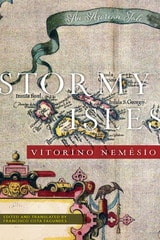
Stormy Isles
An Azorean TaleVitorino Nemésio, Edited and translated by Francisco Cota Fagundes
Tagus Press, 2019

The Conjurer and Other Azorean Tales
Darrell Kastin
Tagus Press, 2012
Born from the fertile volcanic soil and the sea and mists surrounding the Azorean islands, the characters who inhabit these stories blend realism with magic. Like the nine Muses, each island has its own special attributes. Whether searching for love, power, or meaning, these characters are subject to the whims of Fate and Fortune. Here the commonplace present confronts forces both natural and supernatural. In the Azorean microcosm, they come to represent a far larger sphere, embodying the foibles and idiosyncrasies of humanity the world over.
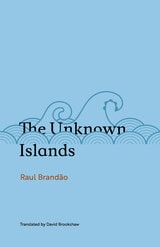
The Unknown Islands
Raul Brandão, Translated by David Brookshaw
Tagus Press, 2020