Results by title
4 books match the query 'Becker, Christine'
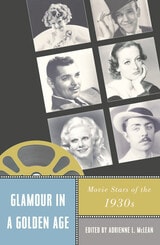
Glamour in a Golden Age
Movie Stars of the 1930sMcLean, Adrienne L
Rutgers University Press, 2010
Stardom is approached as an effect of, and influence on, the particular historical and industrial contexts that enabled these actors and actresses to be discovered, featured in films, publicized, and to become recognized and admired-sometimes even notorious-parts of the cultural landscape. Using archival and popular material, including fan and mass market magazines, other promotional and publicity material, and of course films themselves, contributors also discuss other artists who were incredibly popular at the time, among them Ann Harding, Ruth Chatterton, Nancy Carroll, Kay Francis, and Constance Bennett.
My Father, the Germans and I
Essays, Lectures, InterviewsJurek Becker
Seagull Books, 2010
Jürek Becker (1937–97) is best known for his novel Jacob the Liar, which follows the life of a man, who, like Becker, lived in the Lódz ghetto during the German occupation of Poland in World War II. Throughout his career, Becker also wrote nonfiction, and the essays, lectures, and interviews collected in My Father, the Germans and I share a common thread in that they each speak to Becker’s interactions with and opinions on the social, political, and cultural conditions of twentieth-century Germany.
Becker, who had lived in both German states and in unified Germany, was passionately and humorously active in the political debates of his time. Becker never directly aligned himself with either the political ideology of East Germany or the capitalist market forces of West Germany. The remains of fascism in postwar Germany, and the demise of Socialism, as well as racism and xenophobic violence, were topics that perpetually interested Becker. However, his writings, as evidenced in this collection, were never pedantic, but always entertaining, retaining the sense of humor that made his novels so admired.
My Father, the Germans and I gives expression to an exceptional author’s perception of himself and the world and to his tireless attempt to bring his own unique tone of linguistic brevity, irony, and balance to German relations.
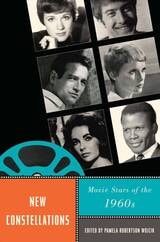
New Constellations
Movie Stars of the 1960sWojcik, Pamela Robertson
Rutgers University Press, 2012
American culture changed radically over the course of the 1960s, and the culture of Hollywood was no exception. The film industry began the decade confidently churning out epic spectacles and lavish musicals, but became flummoxed as new aesthetics and modes of production emerged, and low-budget youth pictures like Easy Rider became commercial hits.
New Constellations: Movie Stars of the 1960s tells the story of the final glory days of the studio system and changing conceptions of stardom, considering such Hollywood icons as Elizabeth Taylor and Paul Newman alongside such hallmarks of youth culture as Mia Farrow and Dustin Hoffman. Others, like Sidney Poitier and Peter Sellers, took advantage of the developing independent and international film markets to craft truly groundbreaking screen personae. And some were simply “famous for being famous,” with celebrities like Zsa Zsa Gabor and Edie Sedgwick paving the way for today’s reality stars.
Very Special Episodes
Televising Industrial and Social ChangeJonathan Cohn
Rutgers University Press, 2021