Results by title
3 books match the query 'Benz, Wolfgang'
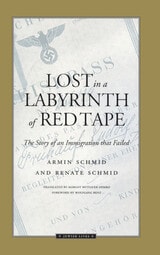
Lost in a Labyrinth of Red Tape
The Story of an Immigration that FailedArmin Schmid and Renate Schmid
Northwestern University Press, 1996
Lost in a Labyrinth of Red Tape is the story of one family's desperate attempts to emigrate from Nazi Germany. The Frühaufs faced enormous obstacles with the German and foreign authorities when they attempted to take advantage of matriarch Hilde Frühauf's U.S. citizenship. At the mercy of various agencies and shippers, they became more and more entangled in the red tape of the title. The daughter went into hiding and fled to Belgium, where she was hidden by the Resistance and survived the war. Tragically, the remaining members of her family failed to emigrate, and were killed by the Nazis.
[more]
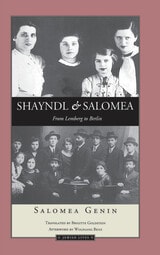
Shayndl and Salomea
From Lemberg to BerlinSalomea Genin
Northwestern University Press, 1997
At the age of fifty and faced with severe depression, Salomea Genin began to write about her family's history. From stories both told and untold, Genin recreates the lives of the Zwerling family in the Jewish quarter of Lvov: Shulim, her strict and deeply religious grandfather; his patient but tired wife Dvoire; and his beautiful, rebellious daughter Shayndl, who marries a dreamer against her father's wishes and without his blessing, and who will later become Salomea Genin's mother.
Genin's richly detailed portrait shows the effects of a family's struggle—personal, religious, social, and for their very survival—against the shadow of the Nazi rise to power.
Genin's richly detailed portrait shows the effects of a family's struggle—personal, religious, social, and for their very survival—against the shadow of the Nazi rise to power.
[more]

Trap with a Green Fence
Survival in TreblinkaRichard Glazar
Northwestern University Press, 1995
Trap with a Green Fence is Richard Glazar's memoir of deportation, escape, and survival. In economical prose, Glazar weaves a description of Treblinka and its operations into his evocation of himself and his fellow prisoners as denizens of an underworld. Glazar gives us compelling images of these horrors in a tone that remains thoughtful but sober, affecting but simple.
[more]