Results by title
3 books match the query 'Bodybuilding'
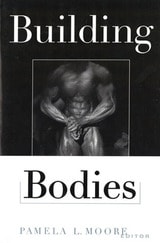
Building Bodies
Moore, Pamela L
Rutgers University Press, 1997
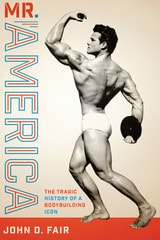
Mr. America
The Tragic History of a Bodybuilding IconBy John D. Fair
University of Texas Press, 2015
For most of the twentieth century, the “Mr. America” image epitomized muscular manhood. From humble beginnings in 1939 at a small gym in Schenectady, New York, the Mr. America Contest became the world’s premier bodybuilding event over the next thirty years. Rooted in ancient Greek virtues of health, fitness, beauty, and athleticism, it showcased some of the finest specimens of American masculinity. Interviewing nearly one hundred major figures in the physical culture movement (including twenty-five Mr. Americas) and incorporating copious printed and manuscript sources, John D. Fair has created the definitive study of this iconic phenomenon.
Revealing the ways in which the contest provided a model of functional and fit manhood, Mr. America captures the event’s path to idealism and its slow descent into obscurity. As the 1960s marked a turbulent transition in American society—from the civil rights movement to the rise of feminism and increasing acceptance of homosexuality—Mr. America changed as well. Exploring the influence of other bodily displays, such as the Mr. Universe and Mr. Olympia contests and the Miss America Pageant, Fair focuses on commercialism, size obsession, and drugs that corrupted the competition’s original intent. Accessible and engaging, Mr. America is a compelling portrayal of the glory days of American muscle.
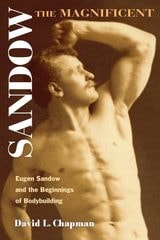
Sandow the Magnificent
Eugen Sandow and the Beginnings of BodybuildingDavid L. Chapman
University of Illinois Press, 1994
Before Arnold Schwarzenegger, Steve Reeves, or Charles Atlas, there was German-born Eugen Sandow (1867-1925), a muscular vaudeville strongman who used his good looks, intelligence, and business savvy to forge a fitness empire.
David L. Chapman tells the story of the immensely popular showman who emphasized physique display rather than lifting prowess. But he also looks at Sandow's success off-stage, where the entertainer helped found the fitness movement by establishing a worldwide chain of gyms, publishing a popular magazine, selling exercise equipment, and pioneering the use of food supplements. Chapman explains physical culture's popularity in terms of its wider social implications while delving into how Sandow, by making exercise fashionable, ushered in the fitness craze that continues today.
This new edition has been revised and enlarged with an afterword that includes unpublished information, new photographs of Sandow and his contemporaries, and an updated index.